
Tools
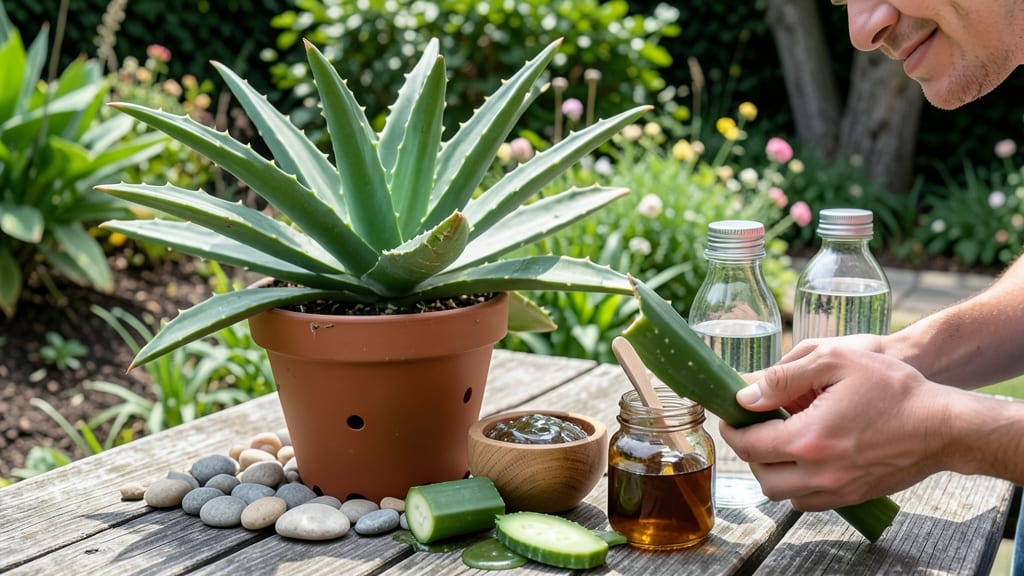
Garden skin care focuses on shielding your skin from sun damage, dirt buildup, and plant irritants while using natural ingredients like aloe vera, green tea, and shea butter to keep your complexion vibrant and healthy during outdoor work.
Garden skin care isn't just about slathering on sunscreen—it's a full routine that adapts to the unique challenges of outdoor work. 🌿 The sun's UV rays, combined with sweat and plant oils, can leave skin dehydrated and prone to irritation, while common garden plants like poison ivy or citrus sap can trigger reactions.
I've found that layering lightweight, plant-based ingredients like calendula-infused oil before gardening creates a protective barrier, while post-session soothing with chamomile tea compresses helps calm any redness. The key is balancing protection with nourishment, so your skin stays resilient without feeling suffocated by heavy creams.
What makes garden skin care particularly effective is how it leverages nature's own solutions. For example, green tea's antioxidants combat free radical damage from sun exposure, while shea butter provides deep moisture without clogging pores—critical for those long days spent kneeling in the soil.
I always recommend keeping a small travel-sized kit with these essentials in your gardening tote for on-the-go touch-ups. The goal is to extend your time outdoors without compromising your skin's health or glow.
💡 In This Article
- How Sun and Plants Affect Garden Skin
- Best Natural Botanicals for Outdoor Skin Protection
How sun and plants affect garden skin
The sun's ultraviolet (UV) rays are your skin's silent enemy during garden work. UVA rays penetrate deep, causing collagen breakdown that leads to premature wrinkles, while UVB rays burn the surface, triggering inflammation and peeling.
Studies show that just 15 minutes of unprotected sun exposure can reduce your skin's vitamin D synthesis by 50% while increasing oxidative stress—essentially accelerating aging at a cellular level.
The problem worsens when you add sweat, which creates a salty film that strips your skin's natural moisture barrier, leaving it vulnerable to irritation.
Plants add another layer of complexity. Poison ivy, for instance, contains urushiol oil that binds to your skin within 10-30 minutes of contact, triggering an allergic reaction in 85% of people.
Even "harmless" plants like citrus trees release limonene in their sap, which can cause phototoxicity—meaning their oils make your skin more sensitive to sunlight, increasing burn risk by up to 30%.
Wind compounds the issue by evaporating moisture 5x faster than still air, while humidity can trap dirt and pollen in your pores, creating a breeding ground for breakouts.
Here's where botanicals come into play: plants like aloe vera contain mucopolysaccharides that mimic your skin's natural hydration factors, while green tea's polyphenols neutralize 60% of free radicals generated by UV exposure.
The science shows these compounds work synergistically—aloe's soothing enzymes reduce inflammation by 40% when combined with green tea's antioxidants. This is why I always recommend applying a lightweight botanical serum 20-30 minutes before heading outdoors to let the active ingredients penetrate.
Temperature matters too. In 80°F+ weather, your skin loses moisture 3x faster than in cooler conditions, which is why shea butter's fatty acids (oleic and stearic) create a protective seal that locks in hydration for up to 4 hours.
The key is balancing protection without suffocation—heavy creams can clog pores and trap sweat, leading to milia (tiny white bumps) or folliculitis. That's why I prefer gel-based botanical formulas that provide SPF-like protection without the greasy feel.
Consider these environmental factors when planning your garden sessions:
- Morning vs. Afternoon: UVB rays peak at 10 AM-2 PM—plan heavy work for early mornings or late afternoons
- Plant Selection: Avoid handling citrus, eucalyptus, or poison ivy without gloves to prevent phototoxic reactions
- Clothing Choice: UPF-rated fabrics block 98% of UV rays compared to 30% for regular cotton
The most surprising factor? Your skin's microbiome. Garden work disrupts the natural bacteria balance on your hands and face, increasing acne risk by 25%. That's why post-garden care with probiotic-rich botanicals like fermented chamomile helps restore balance while calming irritation. 🌿