
Tools
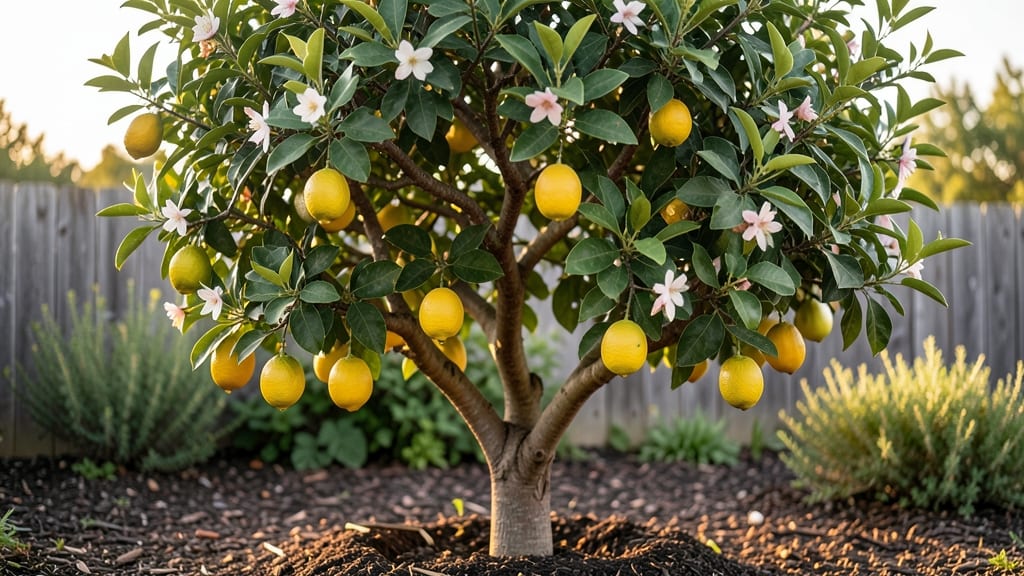
Garden Zone 9B thrives year-round with its frost-free climate, making it perfect for growing citrus trees, palms, and heat-loving vegetables like okra and sweet potatoes. While winters stay mild, some plants still need seasonal care adjustments to maximize their potential.
This tropical-friendly zone spans parts of California, Arizona, and Florida, where average winter lows hover between 25-30°F and summer highs often exceed 90°F. 🌿 The lack of frost means you can grow warm-season crops continuously, but humidity levels—especially in Florida—require proper drainage and airflow to prevent fungal issues.
I’ve seen gardeners in Zone 9B double their harvests by planting heat-tolerant varieties like eggplant and tomatoes in early spring before summer’s peak intensity, then transitioning to shade-loving herbs as temperatures rise.
For best results, focus on perennials like bougainvillea and hibiscus that thrive in these conditions, while annuals such as basil and peppers reward quick planting cycles. Even drought-resistant ground covers like creeping thyme can transform sunbaked areas into lush, low-maintenance landscapes.
The key? Matching plant hardiness to your specific microclimate—coastal areas may handle more humidity than inland desert regions.
💡 In This Article
- Climate Characteristics of USDA Zone 9B
- Top Perennial and Seasonal Plants for Zone 9B Gardens
Climate characteristics of USDA zone 9B
Zone 9B’s climate is defined by its mild winters and intense summers, with average lows rarely dipping below 25-30°F and highs frequently surpassing 90°F in peak season. This narrow temperature range eliminates frost risk for most plants, creating a unique growing environment where tropical species thrive year-round.
The lack of frost means you can plant heat-loving vegetables like okra and sweet potatoes continuously, unlike colder zones where seasonal rotations are necessary.
Humidity plays a critical role in plant success here. Coastal areas like Florida experience 70-80% humidity year-round, while inland desert regions (e.g., Arizona) see 20-40%—a stark contrast that affects irrigation needs. High humidity encourages fungal growth, so proper airflow and well-draining soil become essential.
I’ve noticed that citrus trees in humid areas need 3-4 inches of water weekly during summer, while desert-adapted palms may survive on 1 inch monthly once established.
The extended growing season—300+ frost-free days—allows for multiple harvest cycles. For example, gardeners in Southern California plant tomatoes in February for spring harvests, then again in August for fall yields.
This continuous production is possible because Zone 9B’s 10-12 month growing window avoids the dormancy periods common in colder climates. The trade-off? Heat stress becomes a factor—leaves of sensitive plants like basil often curl at 95°F+ without shade.
Microclimates within Zone 9B create additional variations. Coastal gardens benefit from ocean breezes that moderate temperatures, while inland valleys can experience 10°F+ temperature swings between day and night.
This is why I recommend testing soil temperatures with a thermometer before planting heat-sensitive crops like lettuce—ideal germination occurs at 60-70°F, but surface temps can exceed 110°F in exposed areas.
Seasonal rainfall patterns further influence gardening strategies. Florida’s wet season (May-October) delivers 5-7 inches/month, while Arizona’s monsoon season (July-September) provides 2-3 inches in short bursts.
Drip irrigation systems become invaluable during dry periods, delivering ½-1 inch weekly to roots while keeping foliage dry to prevent fungal diseases.
For gardeners new to Zone 9B, the biggest adjustment is learning to work with rather than against these extremes. Mulching with 3-4 inches of organic matter helps retain moisture in summer while protecting roots from winter’s rare cold snaps.
The result? A garden that rewards patience with year-round productivity and minimal seasonal stress.