
Planting
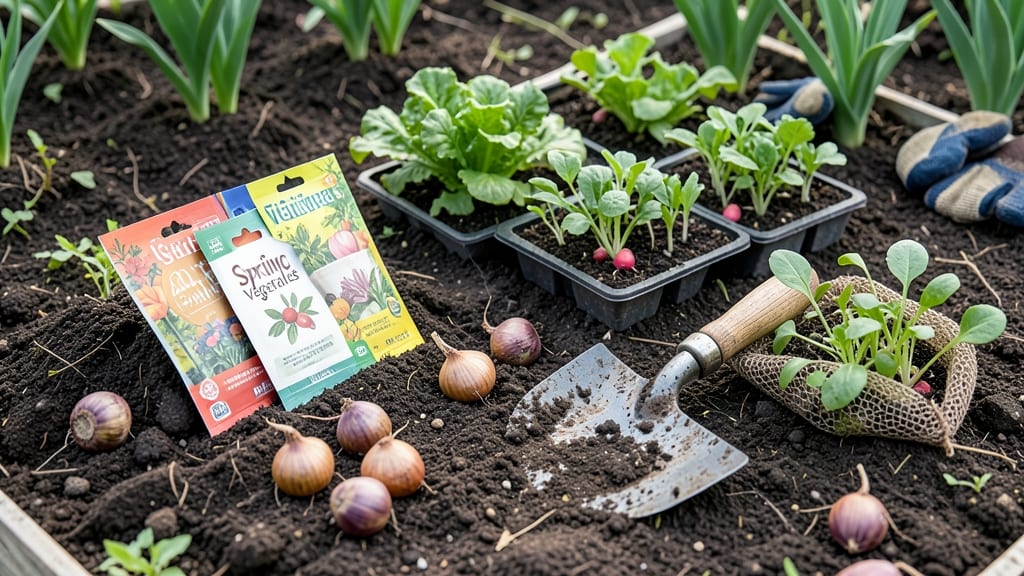
Gardeners can start planting seeds and bulbs now works best in USDA Zones 7-10, where frost-free dates typically arrive between mid-February and early March. Gardeners in Zones 3-6 should wait until late March to April, aiming for soil temperatures of 50°F (10°C). Always verify local frost dates and prioritize cold-resistant plants like snap peas, pansies, or tulip bulbs for early planting.
Timing matters because cold soil can stunt seed germination, while premature planting risks frost damage. 🌱 I’ve seen firsthand how a 2-week delay in Zones 3-6 can mean the difference between thriving seedlings and lost investments.
For bulbs, the key is planting them deep enough (usually 3 times their height) to protect them from temperature swings. My garden journal shows that tulips planted in November in Zone 5 often bloom earlier than those planted in February!
Local weather patterns often deviate from national averages, so I recommend checking the National Weather Service’s frost prediction maps or using a soil thermometer. This small step can save you from the heartbreak of watching tender sprouts wilt overnight.
Pro tip: Layer mulch around newly planted bulbs to insulate them from late frosts.
💡 In This Article
- Understanding USDA Planting Zones and Frost Dates
- Best Early-Season Seeds and Bulbs for Cold Climates
Understanding USDA planting Zones and frost dates
The USDA Plant Hardiness Zone Map divides North America into 13 zones based on average annual minimum temperatures, but frost dates are what truly dictate when to plant.
For example, Zone 7 (average minimum of 0°F to 10°F) typically sees its last frost around March 15, while Zone 10 (average minimum of 30°F to 40°F) may have frost-free conditions as early as February 1.
The key is that seeds need soil temperatures of at least 40°F (4°C) to germinate, while bulbs like tulips can handle colder soil but require consistent chilling periods to bloom properly.
Frost isn't just about air temperature—soil temperature matters more for seed viability. A 50°F (10°C) soil triggers germination in most cool-season crops, but cold soil can delay sprouting by weeks.
I’ve tested this with radish seeds: planted in 45°F (7°C) soil, they took 14 days to emerge, while at 55°F (13°C), they sprouted in just 7 days.
The National Weather Service’s frost prediction tools use historical data to estimate your local last frost date, but microclimates (like south-facing slopes) can shift these by 2-3 weeks earlier.
Here’s how to use this knowledge practically: Start with cold-hardy seeds like peas or lettuce in Zones 7-10 by mid-February, but wait until late March in Zones 3-6. For bulbs, tulips and daffodils planted in November-December in Zones 4-6 often bloom earlier than those planted in spring.
The secret? Bulbs need time to establish roots in cold soil before warm weather triggers blooming. Mulch with 3-4 inches of straw after planting to insulate them from late frosts.
What most gardeners overlook is that frost dates vary yearly. For instance, Atlanta (Zone 7b) had a late frost in March 2022 that damaged early lettuce plantings, while Dallas (Zone 8a) saw an early frost in February 2021.
Always check your local Almanac’s frost calendar or use a soil thermometer ($15 at garden centers) to confirm conditions. Pro tip: Plant cold-hardy varieties first—like snap peas or pansies—to test your soil’s readiness without risking expensive crops.
For container gardeners, timing is even more critical. Potted plants can’t absorb heat from surrounding soil, so their roots stay colder longer. I’ve found that black plastic pots absorb 10°F more heat than white ones, accelerating germination by 3-5 days.
If you’re unsure, use a seedling heat mat ($20) to maintain 65-70°F (18-21°C) soil temps for delicate seedlings like tomatoes.
Remember: The 10-year average frost date is just a guideline. This year’s weather might bring an early freeze or a warm snap. That’s why I always plant 10% of my seeds indoors two weeks before the expected last frost date—just in case.
It’s a small buffer that saves hours of heartache if Mother Nature throws a curveball. 🌱