
Planting
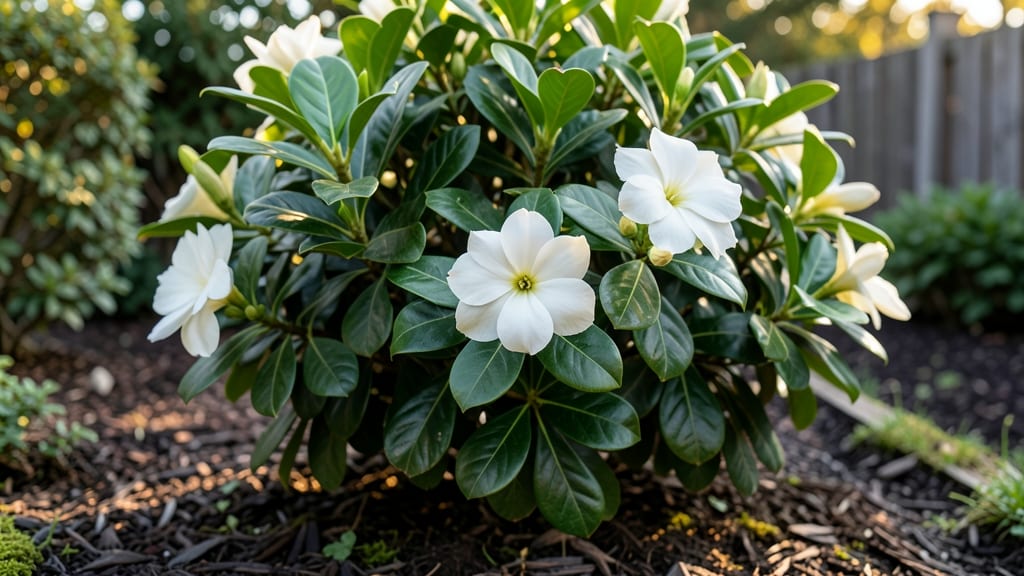
Gardenia bushes grow best in USDA zones 7 through 11, where winter temperatures stay above 10°F (-12°C) to prevent frost damage. Cold-sensitive types in zones like 6b need winter protection through containers or microclimates.
These tropical plants struggle when exposed to prolonged freezing, as frost can kill the foliage and damage the roots. 🌿 The 10°F (-12°C) threshold isn't just about survival—it's about maintaining healthy blooms, since gardenias often skip flowering when stressed by cold.
In marginal zones, I've seen gardeners use thick mulch layers or move potted plants to sheltered garages during winter to extend the growing season. The key is mimicking their natural warm, humid environments as closely as possible.
For gardeners in zones 6 or below, container growing is often the best solution. 🌱 Smaller pots allow you to bring plants indoors before the first frost, while larger containers can be wrapped in frost cloth for added protection.
The soil mix matters too—well-draining, slightly acidic blends help prevent root rot, which is a common issue when temperatures fluctuate. I always recommend testing your soil pH before planting, as gardenias prefer a range between 5.0 and 6.5 for optimal growth.
💡 In This Article
- Gardenia Bush Cold Hardiness Explained
- Best Gardening Practices for Zone 6-11 Planting
Gardenia bush cold hardiness explained
Gardenia bushes originate from tropical and subtropical regions where temperatures rarely drop below 60°F (15°C) year-round. Their cold sensitivity stems from the delicate cellular structures in their leaves and stems, which contain high concentrations of water and thin cell walls.
When exposed to temperatures below 10°F (-12°C), these cells rupture from ice crystal formation, causing irreversible damage. The roots, while slightly more resilient, suffer from prolonged cold exposure too, as their ability to absorb water diminishes below 40°F (4°C). 🔥
The 10°F (-12°C) threshold isn't arbitrary—it represents the point where gardenias experience 50% cell mortality in their foliage. Even brief dips below this can trigger stress responses that delay or prevent flowering the following season.
In USDA zone 7, where winters occasionally dip to 0°F (-18°C), gardenias survive only because the cold periods are short (typically 1-2 weeks).
The correlation between frost-free periods and flowering success is striking: gardenias in zone 11 (like Miami) bloom continuously, while those in zone 7 often produce 2-3 flowering cycles per year if protected.
Temperature extremes also affect the plant's metabolic processes. Gardenias rely on warm temperatures (75-85°F (24-29°C)) to trigger bud formation, which explains why they often skip flowering in cooler zones. The buds themselves are particularly vulnerable to frost—even a light freeze can turn potential blooms into withered brown nubs.
This is why gardeners in marginal zones must monitor temperature forecasts closely during late spring and early fall, when nighttime lows can drop unexpectedly. 🌱
Another critical factor is humidity. Gardenias thrive in environments with 60-80% relative humidity, and cold air holds less moisture, creating a double stress for the plant.
In zone 6, where winters can drop to -10°F (-23°C), the combination of cold and dry air accelerates moisture loss through the leaves, leading to desiccation.
This is why container-growing works so well—potted plants can be moved to more humid indoor spaces during winter, maintaining the moisture balance their tropical roots crave.
Understanding these mechanisms helps explain why gardenias in zone 10 (like Houston) often outperform those in zone 8 (like Atlanta). The longer frost-free season in zone 10 allows for more consistent warm periods, which directly correlates with higher flowering rates.
In contrast, gardenias in zone 8 may experience 1-2 frost events per year, each of which can set back growth by 4-6 weeks as the plant recovers from cold stress. 💫
For gardeners pushing the limits in zone 6, the key is creating microclimates that buffer temperature swings. Planting near south-facing walls or under deciduous trees can raise soil temperatures by 5-10°F (3-6°C) during winter. The additional sunlight also helps the soil retain heat longer, protecting the roots.
Mulching with 4-6 inches (10-15 cm) of organic matter (like pine straw) further insulates the soil, maintaining temperatures 5°F (3°C) warmer than ambient air. This layer also prevents soil temperature fluctuations that can shock the roots.