
Aphids
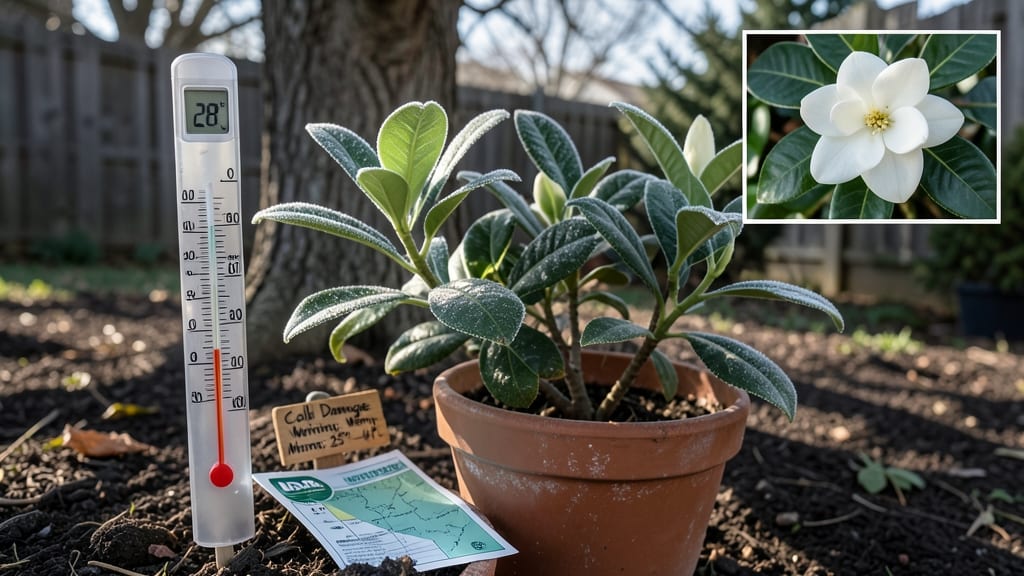
Gardenia cold hardiness thrives only in USDA Zones 8-11, where winter temperatures stay above 10°F (-12°C). Outside these zones, frost risks leaf damage or plant death, demanding protective measures like mulching, containers, or indoor overwintering.
Understanding gardenia cold hardiness means recognizing their tropical nature—these plants originate in warm climates where frost simply doesn't exist. 🌱 When temperatures dip below 32°F (0°C), the plant's metabolic processes slow dramatically, leading to leaf scorch or bud failure.
For gardeners in Zones 7 or colder, strategic winter care isn't just helpful—it's essential for survival. I've seen gardenias in Zone 6 thrive for years using thick mulch layers and insulated containers, proving that with the right approach, you can push their limits.
What makes this particularly tricky is the plant's dormancy cycle. Unlike deciduous trees, gardenias don't naturally shed leaves to conserve energy—they stay evergreen, making them vulnerable to cold damage year-round.
The key is creating microclimates: placing them against south-facing walls or using frost blankets can add crucial degrees of protection during sudden cold snaps. For container gardenias, moving them to unheated garages with bright light during winter often makes the difference between life and death.
💡 In This Article
- USDA Zones for Gardenias: Understanding Temperature Limits
- Winter Survival Strategies for Gardenias in Cold Climates
USDA Zones for gardenias: understanding temperature limits
Gardenia's cold sensitivity stems from their tropical origins, where they evolved in Southeast Asia's subtropical climates with consistent warmth. The plant's cellular structure contains high levels of unsaturated fats in cell membranes, which remain fluid only above 45°F (7°C).
When temperatures drop below this threshold, these membranes stiffen, disrupting nutrient transport and causing metabolic shutdown. This is why gardenias in Zones 8-11—where winters rarely dip below 10°F (-12°C)—thrive naturally, while those in colder zones experience cellular damage at 32°F (0°C) or lower.
The plant's evergreen nature makes this particularly problematic. Unlike deciduous plants that shed leaves to conserve energy, gardenias maintain their foliage year-round, creating a larger surface area vulnerable to cold damage. Their glossy leaves act like heat sinks, rapidly losing warmth to cold air.
Studies show that just 2 hours of exposure to 28°F (-2°C) can cause irreversible leaf scorch in most gardenia varieties, while prolonged exposure below 20°F (-7°C) leads to complete dormancy failure and plant death.
Seasonal growth patterns also play a crucial role. Gardenias enter a reduced-growth phase in fall, but this isn't true dormancy—they remain metabolically active. The key temperature trigger for optimal growth is 65-85°F (18-29°C) during the day and 55-65°F (13-18°C) at night.
Below 50°F (10°C), photosynthesis slows dramatically, and the plant begins allocating resources to cold protection rather than flowering. This explains why gardenias in Zones 7-8 often produce fewer blooms—they're constantly diverting energy to survive rather than reproduce.
What most gardeners don't realize is how microclimates can extend gardenia survival. Even in Zone 7, gardenias planted against south-facing walls or in sheltered garden beds can experience 5-10°F (3-6°C) warmer microclimates than open areas.
This local temperature variation is why some gardeners successfully grow gardenias in Zone 7 with proper siting—it's not just about the official zone designation, but creating the right conditions within that zone. The plant's native habitat in warm valleys demonstrates this principle perfectly.
Another critical factor is soil temperature. Gardenias develop shallow root systems that are highly sensitive to cold soil. When ground temperatures drop below 55°F (13°C), root activity halts completely.
This is why mulching becomes essential—organic mulch like wood chips can maintain soil temperatures 5-10°F (3-6°C) warmer than bare soil, protecting those vulnerable roots.
The science here is fascinating: mulch works by trapping heat radiated from the soil and insulating against cold air, creating a buffer zone that can be the difference between survival and death during early spring frosts.
For those pushing gardenias to their limits in Zones 6-7, understanding these temperature thresholds becomes a game of precise management. The goal shifts from natural hardiness to creating artificial conditions that mimic their tropical environment.
This might include using black plastic mulch to raise soil temperatures, installing frost blankets, or even creating mini-greenhouses for individual plants. Each of these techniques addresses specific aspects of the plant's cold sensitivity—whether it's protecting leaves from radiational cooling, insulating roots, or maintaining metabolic activity during cold snaps.