
Pests
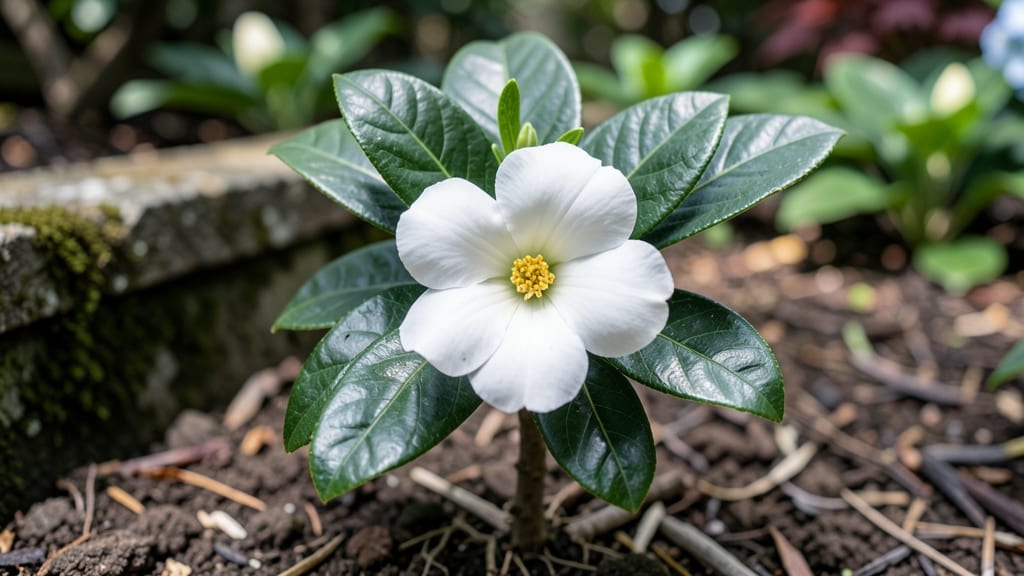
To make gardenias deer-proof, use natural repellents like deer-resistant plants (e.g., lavender, marigolds), strong scents (garlic, pepper, or cayenne), or physical barriers such as fencing or netting. Rotate methods to prevent deer from adapting to one solution.
Deer have a highly developed sense of smell and taste, so they avoid plants that trigger their natural aversion to strong odors or unfamiliar textures. 🌿 The key is combining multiple deterrents—like planting rosemary or rue near gardenias—to create a multi-sensory barrier.
Physical barriers work best when deer have easy access to your yard, while natural repellents require regular reapplication, especially after rain. I've seen gardeners double their success rate by mixing commercial sprays with homemade blends of garlic and cayenne pepper.
For best results, start with a combination of visual repellents (like reflective tape or scare tape) and olfactory deterrents (such as predator urine or commercial deer repellents). The goal is to make your gardenias less appealing than the surrounding vegetation.
Deer are creatures of habit, so consistency is key—once they learn your gardenias are off-limits, they'll move on to easier targets.
💡 In This Article
- Why Deer Avoid Certain Plants and Scents
- Best Natural Deer Repellents for Gardenias
Why deer avoid certain plants and scents
Deer have an extraordinary sense of smell—up to 30 times stronger than humans—which makes them highly sensitive to strong odors. When they encounter plants like garlic, pepper, or cayenne, their natural avoidance instincts kick in due to the capsaicin and sulfur compounds these plants contain.
These chemicals trigger discomfort in deer, similar to how we react to spicy foods—causing irritation in their nasal passages and mouths. 🌿 The key is that deer associate these smells with negative experiences, making them steer clear of treated areas.
Deer-resistant plants like lavender, marigolds, and rosemary work because their aromatic oils contain compounds that deer find unpleasant. For example, lavender's linalool and linalyl acetate create a scent profile that deer perceive as harsh or unfamiliar.
Studies show deer prefer browsing on plants with mild, sweet aromas—like clover or alfalfa—because these lack the strong, pungent scents that trigger their avoidance reflex.
Physical barriers, such as fencing or netting, disrupt deer's natural feeding patterns by making it physically difficult to access gardenias, forcing them to seek easier meals elsewhere.
Deer also rely on visual cues to identify safe feeding areas. When you combine strong scents with visual deterrents like reflective tape or scare tape, you create a multi-sensory barrier that confuses and deters them.
The movement and flickering of reflective tape mimics the appearance of predators, while the smell of garlic or pepper reinforces the message that your gardenias are off-limits.
This dual approach is far more effective than relying on a single method, as deer quickly adapt to one type of deterrent if used alone.
The science behind deer behavior reveals that they are creatures of habit, meaning consistency is critical. If you apply a repellent one week but skip the next, deer will eventually return to browse on your gardenias. Rotating methods—such as switching between homemade sprays and commercial repellents—prevents this adaptation.
For instance, a garlic-based spray applied in spring can be followed by a cayenne pepper blend in summer, keeping deer guessing and reducing the likelihood of them learning to ignore the deterrents.
Another factor is the texture of plants. Deer tend to avoid plants with rough or prickly leaves, like rue or Russian sage, because these create discomfort when brushed against. Pairing these with strong-smelling plants creates a double deterrent: the scent repels them, while the texture discourages physical contact.
This combination is particularly effective for gardenias, which have delicate, smooth leaves that deer find appealing without deterrents. 🌸
Understanding deer behavior also means recognizing their seasonal patterns. In late summer and early fall, when food is scarce, deer become bolder and more likely to ignore deterrents. During these times, physical barriers like 8-foot tall fencing or deer netting become essential, as natural repellents alone may not be sufficient.
The goal is to make your gardenias less accessible and less appealing than alternative food sources in the surrounding area.