
Flowers
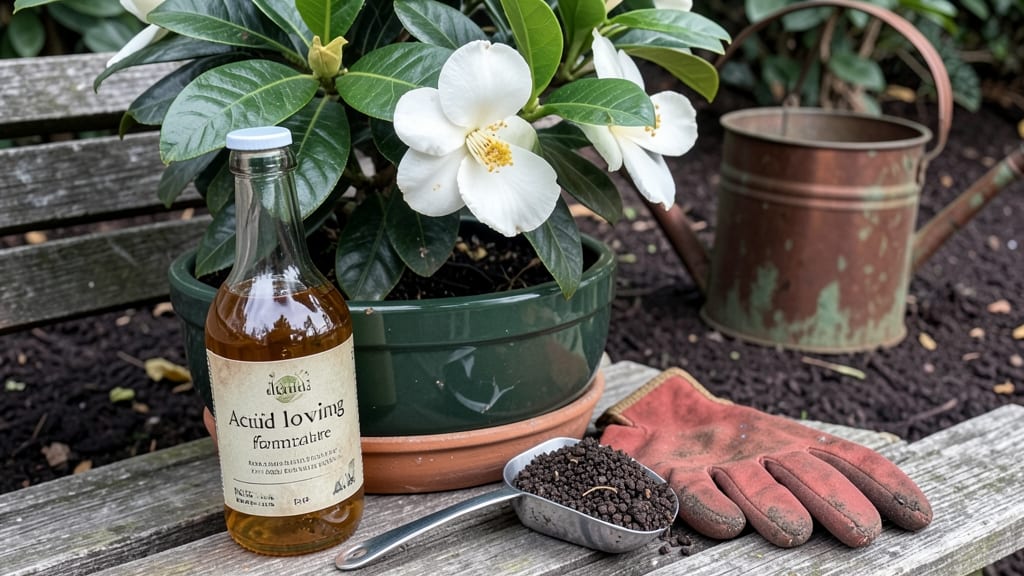
The right gardenia flower fertilizer is the game-changer for those fragrant, show-stopping blooms you’ve been waiting for.
Struggling to coax those dreamy, intoxicating gardenia blooms from your plant? The secret isn’t just water or light—it’s a precise acid-loving fertilizer schedule that mimics their tropical jungle roots.
Gardenia plants thrive when their soil stays in the 5.0-6.5 pH range, and the wrong fertilizer can leave you with yellowing leaves or sparse blooms.
I’ll walk you through the best organic and synthetic options, when to apply them, and how to avoid common mistakes that kill your gardenia’s potential.
By the end, you’ll know exactly how to feed your gardenia for maximum blooms, from spring’s first flush to summer’s peak flowering season.

Best acidic fertilizers for gardenia flowers: organic vs synthetic options
Gardenia flowers thrive when their acidic soil needs are met with the right nutrient balance. These tropical beauties demand low pH levels (5.0-6.5) and phosphorus-rich fertilizers to produce those signature fragrant blooms.
But with so many options—organic, synthetic, and everything in between—how do you choose? Let me break down the best acidic fertilizers to keep your gardenias lush and blooming.
First, understand that gardenias are heavy feeders during their active growing season (spring to summer). They need a steady supply of nitrogen for foliage, phosphorus for blooms, and potassium for root strength.
The key difference between organic and synthetic fertilizers lies in how they release nutrients and their impact on soil health. Organic options feed slowly, improving soil structure over time, while synthetics provide quick, concentrated results.
Iron sulfate is a game-changer for gardenias struggling with chlorosis (yellowing leaves). This mineral supplement boosts iron uptake, essential for chlorophyll production. It’s especially useful if your soil tests high in alkaline pH. For a quick fix, mix 1 teaspoon per gallon of water and apply every 4-6 weeks during the growing season.
Peat-based fertilizers are another organic favorite. They naturally lower soil pH while providing a slow-release nutrient blend. Look for products containing sphagnum peat moss, which mimics the acidic conditions of gardenias' native habitats. These are ideal for long-term soil health and reduce the risk of nutrient burn compared to synthetics.
Now, let’s talk synthetics. Citrus bloom fertilizers are specifically formulated for acid-loving plants like gardenias. They often contain micronutrients like magnesium and calcium, which prevent leaf discoloration and promote robust growth.
Brands like Miracle-Gro Azalea, Camellia, and Gardenia are popular choices, offering a balanced NPK ratio (e.g., 8-4-8) tailored to blooming plants.
Fish emulsion is a powerhouse organic fertilizer packed with nitrogen and micronutrients. It’s highly soluble, so it works quickly to feed your gardenias. Dilute it to 1-2 tablespoons per gallon of water and apply every 4-6 weeks. The bonus? It also improves soil structure and attracts beneficial microbes, making it a well-rounded choice for organic gardeners.
Here’s a quick comparison to help you decide which fertilizer aligns best with your gardening goals and your gardenia’s needs:
For new gardenia plants, focus on root establishment first. Use a balanced fertilizer (e.g., 6-6-6) during the first growing season to avoid overwhelming young roots. Once established, switch to a phosphorus-heavy formula (e.g., 8-4-8) to prioritize blooms.
Remember, gardenias are sensitive to over-fertilization, so always follow the recommended rates and flush the soil with water
Monthly feeding schedule: when and how to fertilize gardenias for maximum blooms
Your gardenia’s blooming season hinges on a seasonal fertilizer schedule that matches its natural growth rhythm. Unlike most plants, gardenias need high-phosphorus food in spring and summer, but a complete break in fall and winter to avoid stress.
I’ve mapped out the exact timing, ratios, and dilution rates to keep your plant thriving without burning its roots.
Start with a balanced 6-6-6 fertilizer in early spring to jumpstart growth, then switch to a phosphorus-heavy 8-4-8 blend when buds form. Organic options like fish emulsion or citrus bloom fertilizer work wonders too—just dilute them properly. Overdoing it? You’ll end up with crispy brown leaves instead of fragrant blooms.
| Season | Fertilizer Type | NPK Ratio | Frequency | Dilution | Key Tip |
|---|---|---|---|---|---|
| Spring (March-May) | Balanced (6-6-6) | 6-6-6 | Every 4 weeks | ½ strength | Promotes root/foliage growth |
| Summer (June-August) | Bloom Booster (8-4-8) | 8-4-8 | Every 6 weeks | Full strength | Encourages abundant blooms |
| Fall (September-Nov) | None | — | — | — | Let plant rest for dormancy |
| Winter (Dec-Feb) | None | — | — | — | Avoid fertilizing; risk of root burn |
For early spring feedings, mix 1 tablespoon of 6-6-6 granular fertilizer per square foot of soil. Water thoroughly before and after application to prevent root burn. In summer, switch to a phosphorus-rich liquid fertilizer like Miracle-Gro Bloom Booster—dilute it to half-strength for potted gardenias to avoid salt buildup.
Pro tip: Always apply fertilizer in the early morning when temperatures are cool. This gives roots time to absorb nutrients before the heat of the day. Pair feedings with a mulch layer of pine needles to maintain soil acidity between applications.
If your gardenia’s leaves start turning yellow or dropping, flush the soil with water for 15 minutes to leach excess salts. This happens when fertilizer salts accumulate faster than roots can absorb them—especially in containers. Adjust your schedule to every 6-8 weeks instead of monthly if you notice this.
By following this schedule, you’ll reward your gardenia with lush foliage and fragrant blooms from June through September—just like its tropical jungle cousins. The key is consistency: feed when it’s hungry, rest when it’s dormant, and always keep that soil acidic. 🌸