
Container Gardens
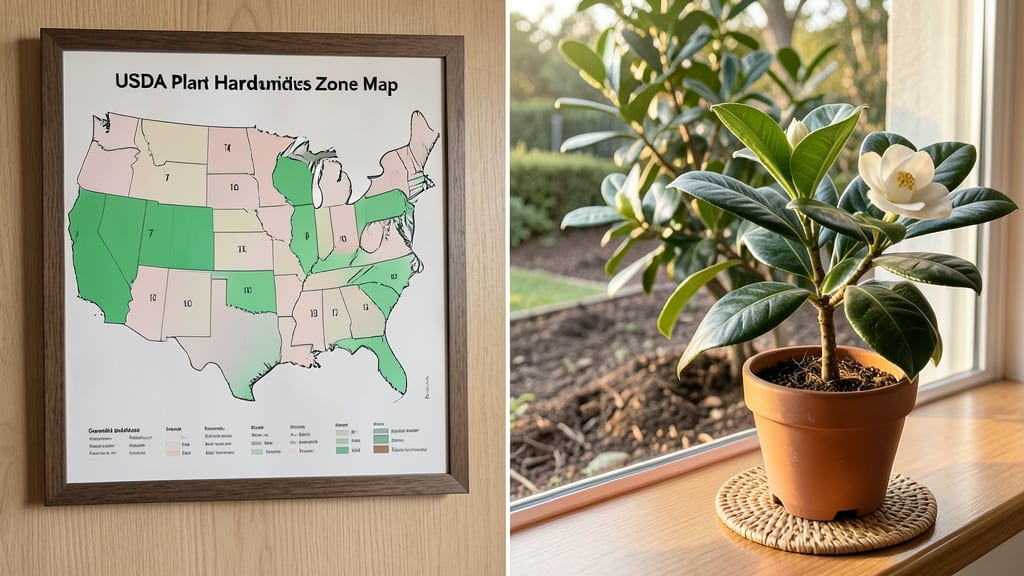
Growing gardenias in the right zone means the difference between a fragrant, blooming shrub 🌸 and a struggling plant that never quite thrives.
If you’ve ever dreamed of filling your garden with the intoxicating scent of gardenias—only to watch your plants struggle in the wrong climate—you’re not alone.
These tropical beauties thrive only in specific growing zones, and knowing where (and how) to plant them can mean the difference between lush, fragrant blooms and a sad, wilting shrub.
The ideal gardenia growing zone spans USDA zones 7 through 11, where warm winters and high humidity create the perfect conditions. But what if you live outside this range?
Don’t worry—with the right techniques, like container gardening or frost protection, you can still grow these stunning shrubs even in cooler climates.
In this guide, I’ll break down the best zones for gardenias, share tips for extending their range, and help you choose the right variety for your climate. Let’s get started!
USDA growing zones for gardenias: where they thrive best
If you love the sweet, intoxicating fragrance of gardenias, you’re in the right place. These tropical shrubs are picky about their environment, thriving only in warm climates. The USDA hardiness zones 8-11 are their sweet spot, where they can flourish year-round with minimal stress.
Outside these zones, they’ll struggle—or worse, die—from frost and cold snaps.
Gardenias are native to subtropical and tropical regions, including parts of Asia, Australia, and the Pacific Islands. In the U.S., they’re most at home in Florida, Southern California, and the Gulf Coast.
Even a single night below 28°F (-2°C) can kill an unprotected gardenia, making zone selection critical for success.
Here’s the breakdown of where gardenias thrive best and how to adapt them to marginal zones:
In Zone 8, gardenias can survive outdoors year-round in coastal areas where temperatures rarely drop below 20°F (-7°C).
However, inland Zone 8 gardeners should treat them as seasonal plants or grow them in containers for winter protection. Zone 9 is the sweet spot for gardenias, offering mild winters and humid summers, perfect for their tropical nature.
By Zone 10 and 11, gardenias thrive effortlessly, producing abundant blooms with minimal care. These zones mimic their native tropical habitats, with consistent warmth and high humidity.
In Florida and Hawaii, gardenias are often grown as landscape staples, lining driveways and filling gardens with their sweet fragrance.
Gardenias cannot survive in Zones 7 and below without extreme care. Even Zone 7a gardeners (where winters dip to 0°F (-18°C)) must overwinter plants indoors or use heated greenhouses.
The cold sensitivity of gardenias makes them high-maintenance plants in northern climates, often requiring container growing and seasonal adjustments.
For gardeners in Zones 7-6, the key to success is mimicking tropical conditions.
Use large containers with insulated pots, wrap plants in burlap or frost cloth, and move them to protected areas during cold snaps. Indoor growing near south-facing windows is another option, though it may limit bloom size due to lower light levels.
In California’s coastal regions (e.g., San Diego, Los Angeles), gardenias thrive in Zone 10 thanks to mild winters and cool summers. However, inland California zones (9-10) can experience hotter
How to grow gardenias outside their native zones: container gardening & seasonal tips
Living in USDA zones 7 or below doesn’t mean you have to give up on growing gardenias. With the right approach—like container gardening and seasonal adjustments—you can still enjoy their fragrant blooms and glossy foliage.
The key is mimicking their tropical conditions, even in cooler climates. I’ve grown gardenias successfully in zone 6b using these techniques, and I’ll share exactly how to do it.
Gardenias need warmth, humidity, and protection from frost to thrive. In colder zones, they’ll struggle if planted directly in the ground, but containers give you the flexibility to move them indoors or to a sheltered spot during winter.
The right soil mix and sunlight exposure are also critical—especially since gardenias hate soggy roots and need acidic soil (pH 5.0-6.5) to bloom.
⚠️ callout-warning ⚠️
Start by choosing the right container—at least 15-20 gallons for mature plants to prevent root-bound stress. Terracotta pots help with drainage, but they dry out faster, so monitor soil moisture closely. Fill the container with a well-draining, peat-based mix (like a blend of peat moss, perlite, and pine bark) to replicate their natural acidic soil. Avoid garden soil, which can compact and suffocate roots.
Light is another game-changer. Gardenias need bright, indirect light—think morning sun and afternoon shade. In cooler zones, place your container near a south-facing wall or under a 50% shade cloth during summer to prevent leaf scorch.
If growing indoors, a grow light can supplement natural light, especially in winter when days are short.
Watering is where many gardeners go wrong. Gardenias hate soggy roots but also wilting when too dry. Stick your finger 1-2 inches into the soil—if it’s dry, water deeply until it drains from the bottom.
In winter, reduce watering to every 2-3 weeks, as the plant’s growth slows. Always use room-temperature water to avoid shocking the roots.
For overwintering, move your gardenia to a cool, bright spot (like a garage or sunroom) where temperatures stay between 45-55°F (7-13°C). If you can’t bring it indoors, wrap the container in bubble wrap or frost cloth and place it against a south-facing wall for extra protection.
Prune lightly in early spring to encourage new growth, and resume fertilizing with an acid-loving plant food in late winter.
With these adjustments, your gardenia can thrive even outside its native zone. The secret is adapting to its needs—not forcing it to adapt to yours. Once you master container gardening and seasonal care, you’ll enjoy year-round blooms and that signature gardenia fragrance, no matter where you live. 🌸