
Pruning
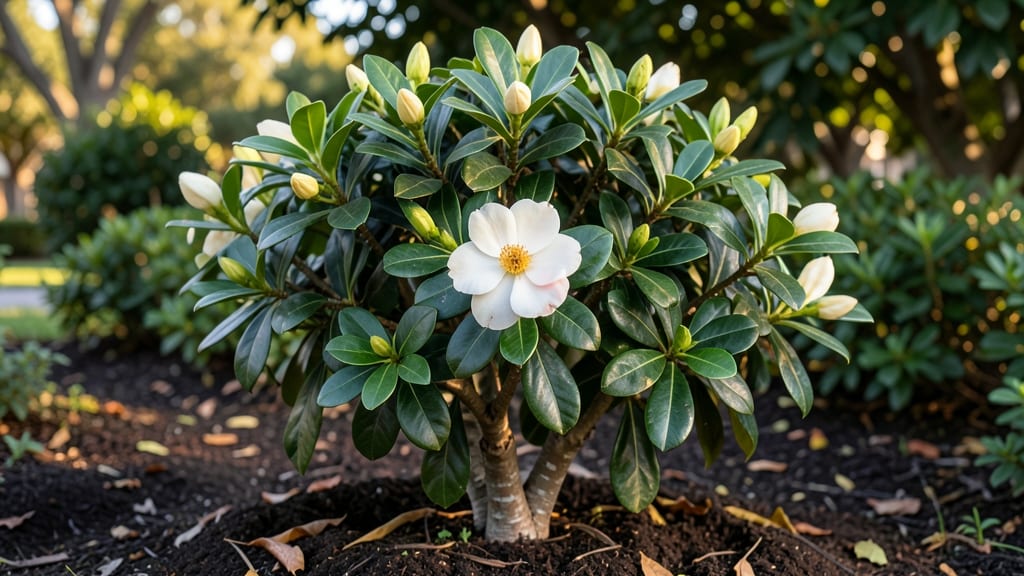
A gardenia tree size can range from 3 feet for dwarf varieties to towering 15 feet for mature standards, making it a versatile pick for any garden or patio.
If you're dreaming of fragrant white blooms but worried about your garden's space, understanding gardenia tree size is key—some varieties stay compact while others tower like small trees, transforming your landscape with minimal effort.
For example, the 'Kleim’s Hardy' gardenia 🌸 stays around 5-6 feet, perfect for small yards, while tropical types like 'Radicans' can stretch to 10+ feet if unchecked. The right choice depends on your space, sunlight, and how much pruning you're willing to do.
Below, I’ll break down size by variety, how pruning shapes growth, and the 5 biggest mistakes that make gardenias either oversized or stunted—so you can pick the perfect fit for your garden.

Gardenia tree size by variety: from dwarf to full-sized options
Choosing the right gardenia tree size for your space can make all the difference between a dreamy garden and a cramped mess. These fragrant beauties come in dwarf varieties perfect for containers or small yards, while others grow into full-sized trees that become stunning focal points.
Understanding each variety’s mature dimensions helps you plan spacing, pruning, and even container sizes for urban gardening.
Most gardenias fall into three size categories: dwarf (3-5 ft), semi-dwarf (5-8 ft), and standard (8-15 ft). The key difference lies in their growth habits—some stay bushy and compact, while others develop a single trunk with a rounded canopy.
Let’s explore the most popular varieties and their ideal spaces to help you pick the perfect fit for your landscape.
If you’re working with limited space, varieties like 'Fortuniana' or 'Kleim’s Hardy' are ideal—their compact size makes them perfect for containers or small gardens.
For example, a 15-gallon container can easily accommodate a dwarf gardenia like 'Fortuniana', allowing you to enjoy its fragrance on patios or balconies without sacrificing space.
The tallest gardenias, such as 'Veitchii' or 'Radicans', reach heights of 10-15 feet and thrive as specimen plants or in larger landscapes. These varieties develop a single trunk with a broad, rounded canopy, making them stunning focal points near driveways or entryways.
Just ensure they have 6-8 feet of clearance from structures to avoid overcrowding.
For urban gardeners or those with small yards, consider pruning techniques to control height. Regular pruning in late winter or early spring can keep even larger varieties like 'Radicans' at a manageable 6-8 feet.
Always use sterilized pruning shears and remove no more than 25% of the plant in one session to avoid stressing the gardenia.
One common misconception is that all gardenias require full sun. While they do need bright light, most varieties tolerate partial shade, especially in hot climates.
This flexibility makes them adaptable to shadier spots in your garden, where their fragrant blooms will still shine. Pairing them with companion plants like hyd
How pruning affects gardenia tree size and bloom production
Pruning isn't just about keeping your gardenia tree looking tidy—it's a game-changer for controlling size and boosting bloom production. When done right, strategic cuts can transform a leggy, sparse shrub into a lush, fragrant beauty that fits perfectly in your space.
The key lies in understanding when, how, and why to prune, as each decision impacts both growth habits and flowering potential.
I’ve learned that gardenia trees respond best to light pruning during their active growing season, typically spring and early summer. Over-pruning can stress the plant, reducing its ability to produce those coveted white, intoxicating blooms.
The goal is to encourage a bushier shape while maintaining airflow to prevent fungal issues. Let’s break down the exact steps to achieve this balance without sacrificing beauty or health.
Step-by-Step Pruning Guide for Gardenia Trees
- 1 Timing is everything: Prune in early spring (March-April) or right after blooming (June-July). Avoid pruning in fall or winter—this is when gardenias rest, and cuts can stimulate new growth that won’t harden off before cold snaps.
- 2 Use the right tools: Grab sharp, sterilized pruners or bypass shears to make clean cuts. Disinfect tools with rubbing alcohol before and after use to prevent bacterial infections like sooty mold.
- 3 Remove dead or crossing branches: Start by cutting out dead wood, diseased branches, and any that rub against others. This improves air circulation and reduces pest risks. Aim to open up the center of the shrub for better light penetration.
- 4 Shape for bushiness: To encourage a fuller shape, cut back 1/3 of the longest branches to just above a leaf node or bud. Avoid cutting into old wood—new growth will sprout from these cuts, creating a denser canopy.
- 5 Promote flowering: For maximum blooms, avoid heavy pruning in late summer. Instead, focus on light shaping after flowers fade. Gardenias bloom on new wood, so pruning too late can reduce next year’s flowers.
- 6 Clean up and mulch: After pruning, remove all debris from the area and apply a 2-inch layer of mulch around the base. This retains moisture, regulates soil temperature, and keeps weeds at bay—all of which support healthy growth.
One of my favorite discoveries is how selective pruning can transform a gardenia’s growth habit. For example, if you’re growing a ‘Kleim’s Hardy’ variety and want to keep it under 6 feet tall, focus on trimming the topmost branches each year.
This encourages lateral growth, creating a wider, bushier plant that stays proportionate to your garden space.
Remember, gardenia trees are sensitive to over-pruning. If you cut back too aggressively, you might end up with fewer blooms and leggy regrowth. The secret is patience—gradual shaping over 2-3 years yields the best results.
Pair your pruning with regular feeding (use a balanced 10-10-10 fertilizer in spring) to support vibrant blooms and robust foliage.
With the right approach, your gardenia tree will reward you with abundant, fragrant flowers while staying the perfect size for your landscape. Happy pruning—your garden (and nose) will thank you! 🌸✂️🌿