
Planting
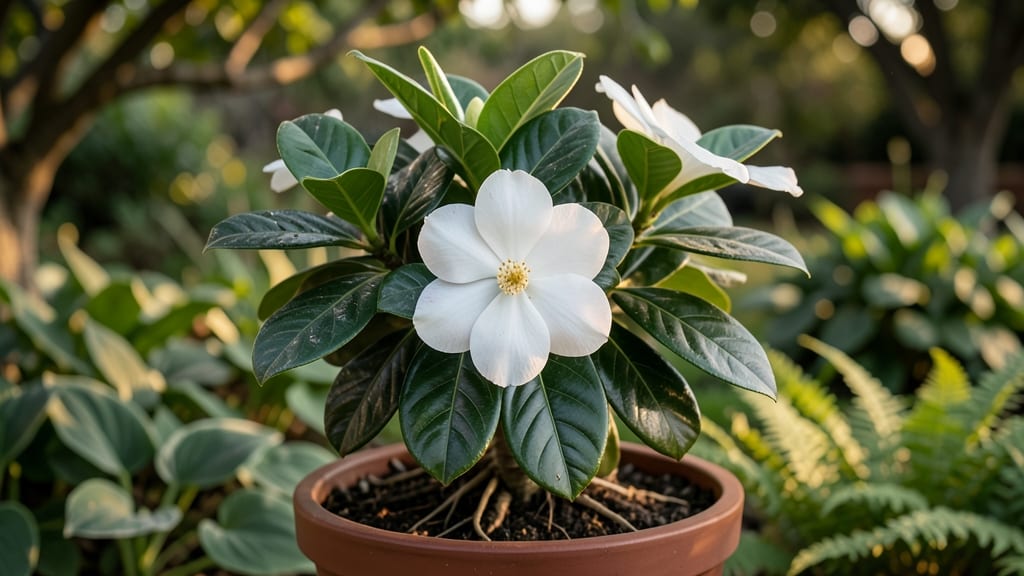
Gardenias thrive in Zone 9 with partial shade, well-draining soil, and consistent moisture. Plant in spring or early fall, protect from harsh sun, and prune lightly after flowering to encourage bushier growth and fragrant blooms year-round.
Gardenias in Zone 9 love the warmth but need protection from intense afternoon sun that can scorch their glossy leaves. 🌿 The key is creating a microclimate with morning sun and afternoon shade—think of it as mimicking their native tropical forests.
I've found that mulching with pine bark helps maintain that slightly acidic soil they crave, while a thick layer of organic matter keeps moisture consistent without waterlogging roots. The real secret to those iconic blooms?
Regular feeding with an acidic fertilizer during their active growing season (spring through summer) gives them the energy to produce those fragrant flowers continuously.
What many gardeners overlook is how humidity plays a role—if your Zone 9 climate gets dry, misting the foliage or using a pebble tray can make a noticeable difference in bloom production.
And while these plants are hardy once established, they reward patience with years of fragrance and beauty when given the right conditions. The pruning after flowering isn't just about shaping—it's about encouraging new growth that will produce next year's blooms.
💡 In This Article
- Ideal Soil and Sunlight Conditions for Gardenia in Zone 9
- Seasonal Care Schedule for Zone 9 Gardenias
Ideal soil and sunlight conditions for gardenia in Zone 9
Gardenias originate from tropical and subtropical regions where they experience 60-80% humidity and dappled sunlight filtering through dense canopies. In Zone 9, their ideal soil mirrors this environment—light, acidic, and well-aerated with a pH between 5.0-6.5.
The sandy, loamy texture prevents compaction while allowing excess water to drain quickly, preventing the root rot that often plagues gardenias in heavy clay soils common to Zone 9.
Think of it like mimicking the forest floor where they naturally grow: loose, airy, and slightly acidic from fallen pine needles and organic matter.
Sunlight requirements are equally critical. While gardenias need 4-6 hours of morning sun for photosynthesis, the intense 10,000+ foot-candles of afternoon sunlight in Zone 9 can cause leaf scorch—visible as crispy brown edges on glossy foliage.
This is why partial shade (using lattice screens or planting near taller shrubs) is essential.
The shade doesn't just protect leaves; it reduces transpiration rates, helping the plant retain moisture during Zone 9's hot, dry periods. 🌿 For example, a gardenia planted under a 50% shade cloth during peak summer afternoons will show healthier growth and more frequent blooming than one exposed to full sun.
Humidity becomes the game-changer in Zone 9's dry climates. Gardenias native to Florida or Hawaii receive consistent moisture from air currents and rainfall, but Zone 9's Mediterranean or desert climates can drop humidity below 30%, causing buds to drop before opening.
To combat this, I've found that placing a 1-2 inch layer of pebbles in a tray under the pot, filled with water, creates a microclimate that raises local humidity by 10-15 percentage points.
For in-ground plants, mulching with 2-3 inches of pine bark not only retains moisture but slowly releases organic acids that maintain that critical pH range.
The soil's acidity directly impacts nutrient availability. Gardenias thrive when soil pH is low because it increases the solubility of essential micronutrients like iron and manganese, which are crucial for chlorophyll production and flower development.
A simple soil test kit (costing around $10) can reveal your soil's pH—if it's above 6.5, amend with elemental sulfur or peat moss to lower it gradually.
The goal is to create an environment where the plant's roots can efficiently absorb nutrients without stress, setting the stage for those signature fragrant blooms.
One common mistake is assuming "well-draining" soil means completely dry soil. Gardenias actually prefer consistently moist conditions—think of a well-watered sponge rather than a bone-dry one.
In Zone 9, this translates to watering 2-3 times per week during summer (depending on rainfall) while ensuring the top 2 inches of soil never dry out completely. The key is balance: too little water causes buds to drop, while overwatering leads to root suffocation.
A moisture meter (around $15) helps gauge when to water, ensuring you hit that sweet spot between drought stress and waterlogging.
For gardeners in Zone 9's coastal areas, salt spray can become an unexpected challenge. The sodium in seawater raises soil pH and damages foliage over time. If you're near the coast, flush the soil with 2-3 inches of fresh water monthly during dry seasons to leach out accumulated salts.
This simple maintenance step can prevent the yellowing leaves and stunted growth that often signal salt stress in coastal gardenias.