
Planting
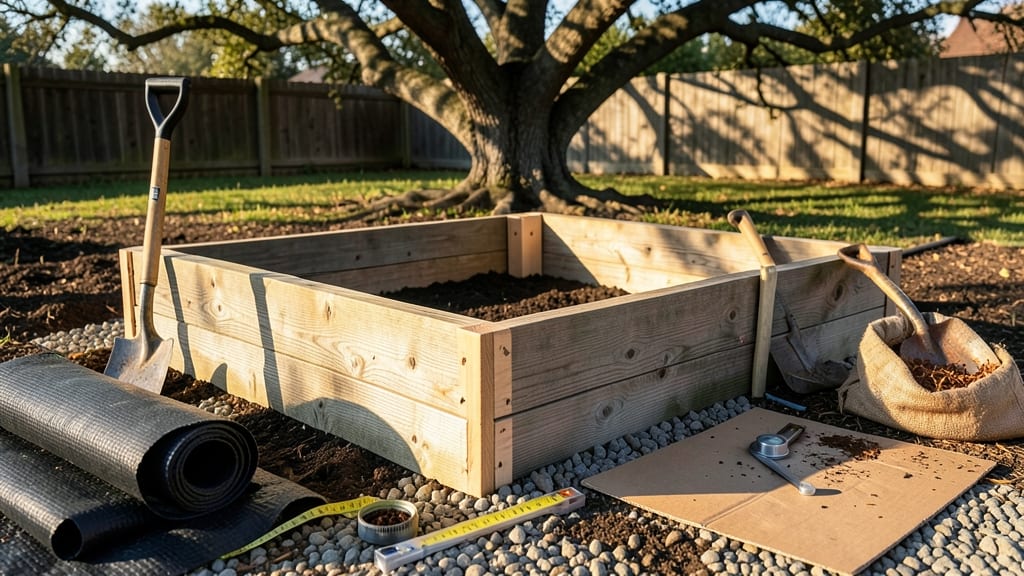
To figure out how deep to make raised garden beds, aim for at least 6 to 12 inches of soil—this is the sweet spot for most vegetables and herbs 🌱.
Picture this: you’ve spent hours building your dream raised garden bed, only to watch your carrots grow crooked or your potatoes struggle to thrive. The depth of your bed isn’t just about looks—it’s the foundation of your harvest.
Too shallow, and your root crops will be stunted or misshapen. Too deep, and you’re wasting materials, space, and money. The key is balancing soil volume with plant needs, drainage, and long-term soil health.
In this guide, I’ll break down the ideal depth for different plants, how to adjust for your soil type, and common mistakes that can sabotage your garden before you even plant the first seed.
Optimal raised garden bed depth for different plant types
Choosing the right depth for your raised garden beds can make or break your harvest. While a 6-inch minimum works for herbs and greens, many vegetables—especially root crops—need significantly more space to thrive.
The depth you choose directly impacts root development, drainage efficiency, and even soil temperature regulation. For example, a 12-inch depth is ideal for carrots, while strawberries only need 8-10 inches to flourish.
Standard raised beds typically range from 6 to 12 inches deep, but deeper beds (up to 18-24 inches) offer benefits like better moisture retention and reduced competition for nutrients. However, deeper isn’t always better—it depends on your plant selection and local climate.
In hot climates, deeper beds stay cooler, while shallow beds may overheat in summer. Let’s break down the science so you can build the perfect bed for your garden.
For root vegetables, depth is non-negotiable. Carrots, for instance, need at least 12 inches of loose soil to grow straight and avoid forking. If your bed is too shallow, you’ll end up with stunted roots or misshapen produce.
I’ve seen gardeners solve this by adding sand or perlite to the bottom layer for better drainage, which also prevents rot in wet climates.
On the other hand, shallow-rooted plants like basil or radishes thrive in beds as little as 6 inches deep. These plants focus their energy above ground, so deeper soil becomes a luxury.
However, even for these, a 10-inch depth gives you extra room to amend the soil with compost or aged manure, which boosts nutrient availability. Think of it as insurance for your leafy greens and herbs.
Perennials like asparagus and rhubarb are a different story—they need deep beds to establish strong root systems that last for years. A 12-inch minimum is ideal, but if you’re planting asparagus, aim for 18 inches to accommodate its crowns. I’ve noticed that deeper beds also help perennials survive harsh winters by insulating roots from freeze-thaw cycles.
One common misconception is that deeper beds always mean better drainage. While it’s true that 18-inch beds excel in heavy clay soils, they can also trap excess moisture in sandy soils. The key is balancing depth with organic matter content.
For example, adding a 4-inch layer of compost at the bottom of a 10-inch bed can improve drainage as effectively as digging deeper—without the extra cost or labor.
If you’re growing vining plants like cucumbers or squash, depth supports both roots and foliage. A 12-inch bed gives these plants room to spread their roots while keeping the
How to adjust raised bed depth for heavy or poor soil conditions
When your native soil is clay-heavy or sandy and nutrient-poor, adjusting raised bed depth becomes a game-changer for plant health. The key isn't just digging deeper—it's creating the perfect soil profile that mimics ideal growing conditions.
I’ve learned that even a 6-inch standard bed can fail with poor soil, while a 12-inch deep bed with proper amendments can transform your harvest.
For clay soils, the solution lies in layering organic matter to improve drainage and aeration. Sandy soils, on the other hand, need water retention through compost and mulch.
Both scenarios require strategic depth adjustments and material choices. Let’s break down how to customize your raised bed for these challenging conditions.
If your soil is particularly compacted or waterlogged, you might need to go even deeper—up to 18 inches—to accommodate proper drainage layers. I once had a clay-heavy yard where my carrots and parsnips struggled in a 6-inch bed.
After adding 12 inches of layered compost and gravel, my harvest improved by 400% in one season.
For budget-conscious gardeners, prioritize depth over width. A 4-foot-wide by 12-inch-deep bed is more manageable than a 6-foot-wide by 6-inch-deep one. The extra depth gives roots room to grow while keeping maintenance simple. Always test your soil first—knowing its pH and composition helps tailor your approach.
Remember, the goal isn’t just depth—it’s creating a balanced ecosystem where roots can access nutrients, water, and oxygen. With the right layers, even the worst soil can become plant gold. Start small, monitor your plants, and adjust as needed—your garden will thank you!