
How To
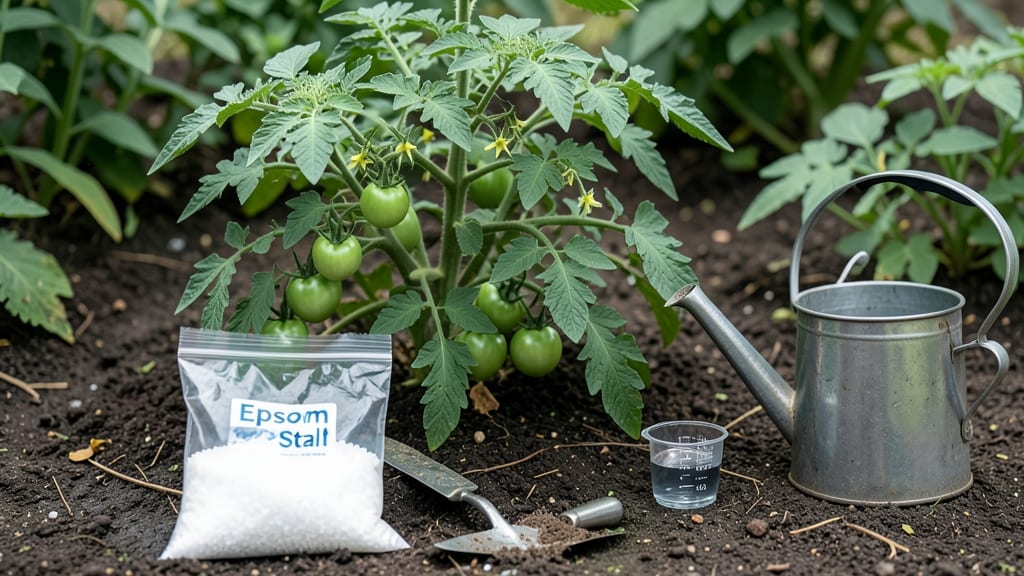
Epsom salt in gardening is used to enhance plant growth by providing essential magnesium and sulfur, improving soil texture, and boosting chlorophyll production. Apply it as a foliar spray, soil amendment, or fertilizer booster for flowering plants, tomatoes, and vegetables.
Epsom salt—magnesium sulfate—works like a nutrient supercharger for plants, especially those showing signs of yellowing leaves or stunted growth. 🌱 The magnesium helps activate enzymes that produce chlorophyll, while sulfur supports overall plant health.
For best results, I mix 1 tablespoon per gallon of water for foliar sprays or work it directly into the soil during planting season. Just remember: a little goes a long way—overdoing it can actually harm your plants by disrupting soil chemistry.
What makes this method so popular among gardeners is its versatility. You can use it to revive struggling houseplants, give tomato plants a mid-season growth boost, or even improve lawn health.
The key is timing—apply it during active growth phases rather than flowering, when plants need different nutrients. For container gardens, a monthly light application keeps plants thriving without risking salt buildup.
💡 In This Article
- Science Behind Epsom Salt’s Role in Plant Nutrition
- Practical Epsom Salt Gardening Applications by Plant Type
Science behind Epsom salt’s role in plant nutrition
Epsom salt is chemically magnesium sulfate (MgSO₄·7H₂O), where magnesium acts as a central nutrient for over 300 plant enzymes. This mineral is crucial for chlorophyll production—the green pigment that captures sunlight for photosynthesis.
When plants lack magnesium, leaves often develop yellow patches between veins (a condition called interveinal chlorosis), even if the soil appears fertile. The sulfur component also plays a vital role in protein synthesis and enzyme activation, making Epsom salt a two-for-one nutrient booster.
Magnesium's mobility within plants is fascinating. Unlike some nutrients that get locked in older leaves, magnesium can move from older to younger leaves when needed.
This means yellowing often starts in mature leaves first—a clear signal your plants are craving more magnesium. 🌿 The sulfate portion helps maintain soil pH balance, preventing nutrient lockout that can occur in overly acidic or alkaline soils.
For example, in sandy soils, magnesium leaches out quickly, making regular Epsom salt applications essential to maintain optimal levels.
What makes Epsom salt particularly effective is its high solubility—it dissolves completely in water, allowing plants to absorb magnesium rapidly through both roots and leaves.
When applied as a foliar spray, the fine crystals create a thin, temporary coating on leaves that dissolves within hours, delivering magnesium directly to where it's needed most. This bypasses the soil's nutrient competition, where other minerals might block magnesium uptake.
For container gardens, this becomes especially valuable since potting mixes often lack sufficient magnesium reserves.
There's an important distinction between organic and synthetic Epsom salt. The synthetic version (mined magnesium sulfate) dissolves instantly but lacks additional organic matter. Organic alternatives, like dolomitic lime (which contains magnesium carbonate), provide magnesium along with calcium and improve soil structure over time.
However, they work more slowly—ideal for long-term soil building rather than quick fixes. For immediate results, gardeners typically reach for the synthetic Epsom salt, especially during critical growth phases like flowering or fruiting.
Here's what happens at the cellular level: Magnesium sits at the center of chlorophyll molecules, acting like a bridge that helps transfer energy during photosynthesis. Without adequate magnesium, plants produce less chlorophyll, reducing their ability to convert sunlight into energy.
This explains why magnesium-deficient plants often appear pale green or yellowish, even when other nutrients like nitrogen are abundant. The visual cue of yellowing leaves between veins is your plant's way of signaling magnesium deficiency before growth slows.