
Light Requirements
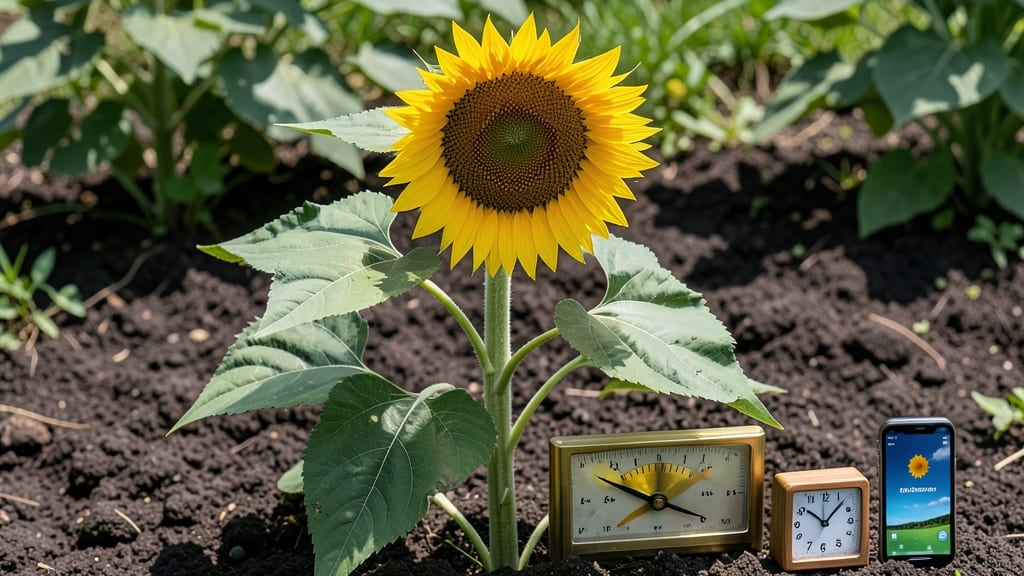
Full sun in gardening means 6 to 8 hours of direct sunlight daily, though some plants do well with as little as 5 hours while others need 10+ hours. Your garden's success depends on matching plants to their specific light needs.
Understanding sunlight requirements is all about matching plants to their natural light preferences. 🌞 The 6-8 hour range serves as a general guideline, but many sun-loving plants like tomatoes or lavender can handle 10+ hours in hot climates, while others like coneflowers adapt to 5-6 hours.
What's crucial is observing how your plants respond—wilting leaves or slow growth often signal insufficient light, while scorched foliage means too much. I always recommend starting with your local climate's average sunlight hours and adjusting based on seasonal variations.
For example, desert plants often thrive with full sun exposure year-round, while northern gardens may need supplemental light during shorter winter days. Partial sun plants like hostas or astilbes actually prefer 3-6 hours of direct light, making them perfect for east-facing gardens or under tree canopies.
The key is flexibility—most plants can adapt within a 2-3 hour range of their ideal sunlight if given proper acclimation time.
💡 In This Article
- How Sunlight Requirements Vary by Plant Species
- Adjusting Sunlight Exposure for Different Climates and Seasons
How sunlight requirements vary by plant species
Sunlight requirements aren't one-size-fits-all because plants have evolved different photosynthesis efficiencies and heat tolerances. For instance, tomatoes and peppers need 8+ hours of direct sun for optimal fruit production, as their photosynthesis machinery thrives under intense light. The reason?
These plants use C3 photosynthesis, which becomes saturated at high light levels, meaning more sun directly translates to more energy for fruit development. You'll notice their leaves develop a deeper green hue when properly sunlit, while insufficient light causes them to grow leggy and pale.
On the opposite end, hostas and ferns prefer 3-6 hours of morning sun because their delicate foliage can scorch at midday temperatures above 85°F. These shade-tolerant plants use shade-adapted photosynthesis, where their leaves have thinner cuticles and lower chlorophyll density to maximize light capture in low-light conditions.
The tradeoff? They grow slower and produce fewer leaves when exposed to full sun, often developing brown patches where cells die from heat stress.
Here's how to categorize plants by their light needs:
- Full sun lovers (6-8+ hours): Roses, lavender, sunflowers, and most vegetables. These plants have thick, waxy leaves to retain moisture and reflect excess heat.
- Partial sun (3-6 hours): Hydrangeas, astilbes, and impatiens. Their leaves often have silver or variegated patterns to naturally reduce light intensity.
- Shade-tolerant (<3 hours): Hosta, ferns, and calatheas. These plants have broader leaves to maximize surface area for capturing diffused light.
The key difference lies in their leaf anatomy. Sun-loving plants have smaller, thicker leaves with more stomata (pores) on the underside to balance water loss and gas exchange. Shade plants, meanwhile, have larger, thinner leaves with fewer stomata to conserve moisture.
This anatomical variation explains why moving a shade plant into full sun can cause it to wilt dramatically within days—its stomata can't regulate water loss fast enough in the sudden increase in light intensity.
Seasonal variations add complexity. A tomato plant that thrives with 8 hours of summer sun might struggle in winter when days shorten to 6 hours, even if it's still classified as "full sun." The solution?
Group plants with similar light needs together and rotate containers if your garden space receives uneven sunlight throughout the day. For example, place tall sunflowers on the north side of your garden to avoid shading shorter plants that need 6+ hours of light.
What most gardeners overlook is how light quality changes with the sun's angle. Morning light is cooler and less intense than midday sun, which is why east-facing gardens often work well for plants needing 5-6 hours of light.
The blue wavelengths in morning light promote leafy growth, while the red wavelengths in afternoon light stimulate flowering. This is why many gardeners report better blooms when moving partial-sun plants to receive afternoon shade during peak summer months.