
Light Requirements
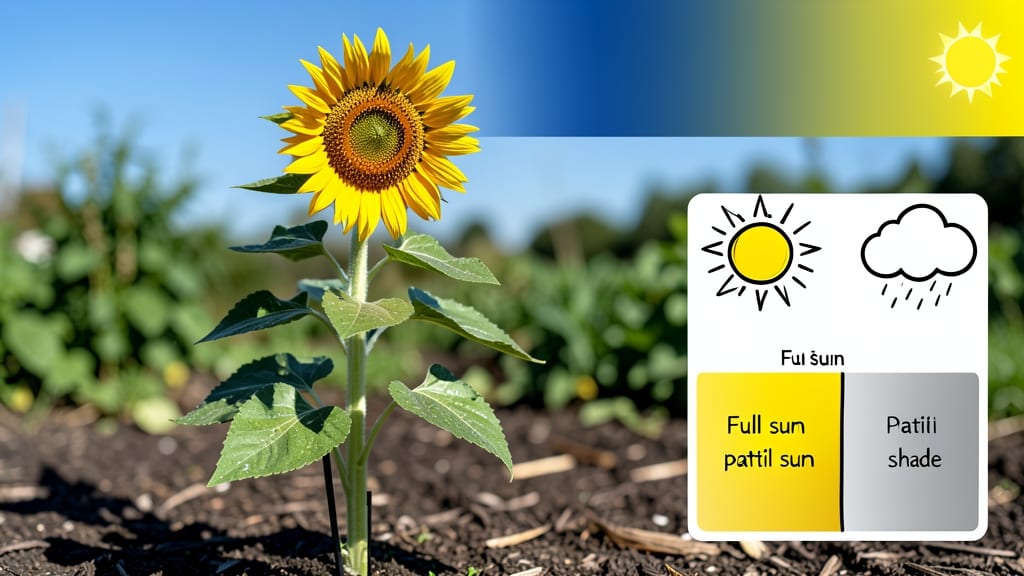
A garden needs 6 to 8 hours of sunlight daily to thrive, but not all plants crave the same dose—too much or too little can turn your green dream into a crispy or leggy disaster.
Picture this: your tomatoes basking in full sun, their leaves a vibrant green, while your ferns struggle in the same spot, their fronds wilting by midday. The difference? Plant-specific sunlight needs that most gardeners overlook until it’s too late.
Whether you’re dealing with a sunny backyard or a shady corner, knowing how to map sunlight zones and adjust for seasonal shifts is the key to a lush, productive garden—no guesswork required.
In this guide, I’ll break down the exact sunlight hours your General Garden 🌱 needs, how to measure light in your space, and how to place plants for peak performance, so you can finally stop playing gardening roulette.


Sunlight requirements by plant type: full sun vs. partial shade vs. low light needs
Understanding how many hours of sunlight your garden needs is the first step to creating a thriving outdoor space. Sunlight requirements vary dramatically between plant types, and getting it wrong can mean the difference between lush growth and struggling plants.
Most gardeners categorize sunlight needs into three main groups: full sun, partial shade, and low light. Each category has specific thresholds that determine where and how you should plant.
For most vegetables, herbs, and flowering annuals, full sun means at least 6-8 hours of direct sunlight daily. These plants thrive when exposed to the sun's rays for the majority of daylight hours.
On the other hand, partial shade plants typically need 3-6 hours of sunlight, often with some protection from the harsh afternoon sun. Finally, low-light plants can survive with less than 3 hours of sunlight per day, making them ideal for shady corners or indoor gardening.
Identifying sunlight zones in your garden is crucial before selecting plants. Start by observing your space throughout the day, noting where shadows fall and how they shift as the sun moves. South-facing areas generally receive the most sunlight, while north-facing spots tend to be shadier. Even small variations in sunlight exposure can significantly impact plant health and growth patterns.
| Plant Type | Sunlight Hours | Examples | Ideal Location |
|---|---|---|---|
| Full Sun Lovers | 6+ hours | Tomatoes, Peppers, Lavender, Sunflowers, Succulents | South or west-facing beds |
| Partial Shade Tolerant | 3-6 hours | Coleus, Impatiens, Hostas, Ferns, Begonias | East-facing beds or dappled shade |
| Low Light Survivors | <3 hours | Peace Lilies, Snake Plants, Pothos, Cast Iron Plant, Calatheas | North-facing windows or deep shade |
When selecting plants for your garden, always check their sunlight requirements on seed packets or plant tags. For example, tomatoes and peppers need full sun to produce abundant fruit, while hostas and ferns will thrive in partial shade.
Even within these categories, some plants have specific preferences—like succulents, which need full sun but can scorch in intense afternoon heat.
Seasonal changes also affect sunlight exposure. In summer, the sun follows a higher arc in the sky, creating longer shadows and more intense light. In winter, the sun sits lower, casting longer shadows and reducing overall exposure.
This means a spot that gets 6 hours of sun in summer might only receive 3-4 hours in winter. Adjust your plant selection accordingly to ensure year-round success.
If you're unsure about your garden's sunlight zones, try a simple sunlight mapping exercise. Place a white board or piece of paper in different areas of your garden and mark the shadows every hour for a full day.
This visual record will help you identify which spots receive the most sunlight and where shade-loving plants should go. Even small adjustments, like moving a plant a few feet, can make a big difference in its health.
Another key factor is the type of sunlight your plants receive.
Direct sunlight refers to unfiltered rays, while dappled shade involves light filtering through leaves or structures. Vegetables like lettuce can handle partial shade but may bolt in full sun, while herbs like basil need full sun to prevent bitter flavors. Pay attention to these nuances when planning your garden layout.
For container gardening, sunlight needs remain the same, but you have more flexibility to move pots as needed. Place full sun plants on patios, decks, or balconies that receive ample sunlight, while shade-loving plants can be tucked into corners or under trees.
Just remember that containers dry out faster, so proper watering becomes even more critical when sunlight exposure changes.
Finally, don't overlook the importance of microclimates in your garden. A south-facing wall can create a warmer, sunnier spot than the rest of your yard, while a north-facing slope might stay cooler and shadier.
Use these microclimates to your advantage by placing heat-loving plants near walls or fences and shade-tolerant plants in cooler areas.
By understanding these sunlight requirements and applying them to your garden, you'll create a space where every plant thrives. Start with a clear map of your sunlight zones, then choose plants that match those conditions.
With the right balance of sun and shade, your garden will flourish all season long. 🌱☀️🌿
How to measure sunlight in your garden and adjust plant placement
Measuring sunlight in your garden isn't just about guessing—it's about creating the perfect microclimates where each plant thrives. I’ve learned the hard way that a south-facing wall can turn a shady spot into a sunbathing paradise, while a north-facing corner might stay cooler and damper than you’d expect.
The key is understanding how sunlight shifts with the seasons and how to map your garden accurately.
Start by observing your garden for at least one full week in spring and summer, since sunlight patterns change dramatically. Use a simple DIY sunlight tracker—just place a white plate or a solar-powered garden light in different spots and mark how many hours it’s exposed to direct sun.
This gives you a clear picture of where your full sun (6+ hours), partial shade (3-6 hours), and low-light (<3 hours) zones really are.
- 📏 Divide your garden into 4x4 ft grids using stakes and string. Label each grid with a number or letter for tracking.
- ☀️ Place a white plate or solar-powered light in each grid. These reflect sunlight and make it easy to track exposure.
- ⏰ Record sunlight hours daily for 7 days. Note the start and end times of direct sun exposure for each spot.
- 📊 Calculate averages for each grid. For example, if a spot gets 5 hours of sun on 5 out of 7 days, it’s partial shade.
- 🌿 Adjust plant placement based on your map. Move sun-loving plants (like tomatoes) to full-sun zones and shade-tolerant plants (like hostas) to cooler spots.
- 🔄 Re-evaluate seasonally. Summer sun patterns differ from winter—what’s full sun in June might be partial shade in December.
Once you’ve mapped your garden, it’s time to adjust plant placement for seasonal changes. In summer, your tomatoes might thrive in a spot that’s too intense in winter. Use seasonal plant swaps: replace heat-loving peppers with cool-season greens like kale when temperatures drop.
Mulching around plants also helps regulate soil temperature, giving you more flexibility with placement.
Don’t overlook vertical space—trellises and raised beds can transform shady areas into productive zones. For example, climbing beans or cucumbers can grow happily in partial shade if given support to reach sunlight.
And if you’re dealing with a microclimate (like a sunny patio or a shady nook), group plants with similar needs together to maximize efficiency.
Finally, trust your plants—they’ll tell you if they’re happy or struggling. Yellowing leaves often mean too much sun, while stretched, weak stems signal a need for more light.
By fine-tuning your garden’s layout based on real data (not just assumptions), you’ll create a space where every plant gets exactly what it needs to flourish.