
Watering
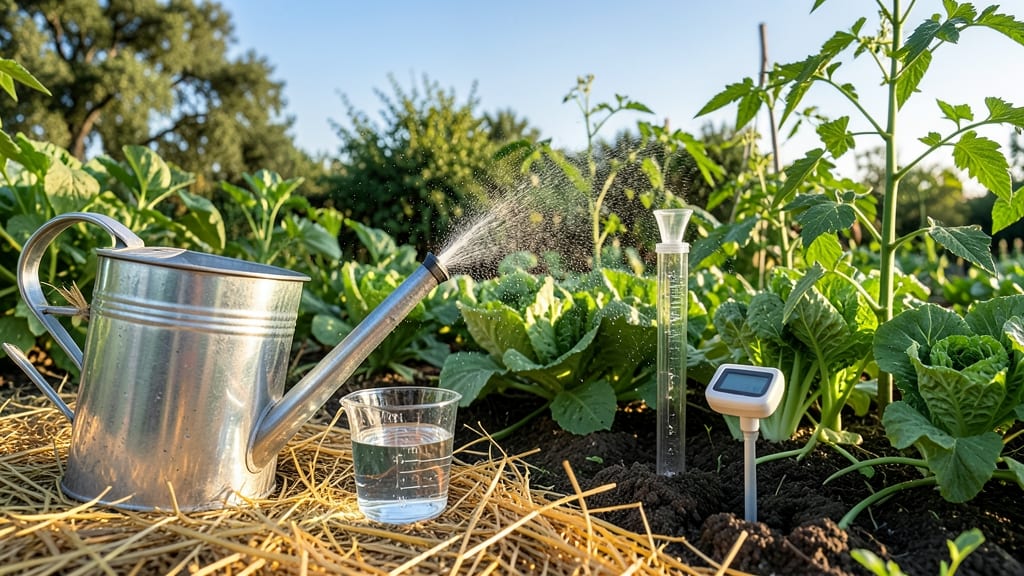
A vegetable garden needs about 1 to 2 inches of water per week to thrive, but how you deliver that makes all the difference between lush harvests and wilted disappointment.
Picture this: you’ve spent hours planting your 🥬 garden, only to watch it struggle because you’re either drowning the roots or leaving them parched. The truth is, most gardeners get this wrong—either overwatering and suffocating their plants or underwatering and stunting their growth.
In this guide, I’ll break down the exact watering needs for every major vegetable type, from leafy greens to root crops, and show you how to adjust for your soil, climate, and season. No more guesswork—just science-backed watering that keeps your garden happy and productive.
You’ll learn when to water, how deep to go, and even how to spot the subtle signs of over- or under-watering before it’s too late. Let’s make sure your hard work pays off with a bountiful harvest.


Weekly water requirements for common vegetables: a detailed breakdown
Understanding how much water your vegetable garden needs is crucial for a bountiful harvest. Most vegetables require 1 to 2 inches of water per week, but this varies dramatically by plant type and growing conditions.
Leafy greens like lettuce and spinach demand consistent moisture, while root vegetables like carrots and potatoes prefer slightly drier soil. Climate and soil type also play a massive role—sandy soil drains faster than clay soil, requiring more frequent watering.
In hot climates, you may need to water daily, especially for tomatoes and peppers, which are surprisingly drought-tolerant once established. Meanwhile, cucumbers and squash thrive with deep, regular watering to prevent bitter flavors.
The key is balancing moisture levels to avoid root rot or blossom-end rot in fruiting plants. Let’s break down the exact needs for your garden’s most common crops.
🌱 Pro Tip: Always water deeply—aim for 6 to 8 inches of soil moisture—to encourage strong root development. Shallow watering leads to weak roots and stressed plants.
Soil type dramatically impacts water absorption. Sandy soil drains quickly, requiring frequent, shallow watering to keep the top 2 inches moist. In contrast, clay soil holds moisture longer, so you’ll need less frequent but deeper watering to prevent waterlogging.
Always check soil moisture by sticking your finger 2 inches deep—if it’s dry, it’s time to water. Mulching with straw or wood chips helps retain moisture and reduces evaporation.
Climate also dictates adjustments. In hot, dry regions, increase watering by 30–50% during peak summer months, while cool, rainy climates may require minimal supplemental watering.
For example, tomatoes in Arizona might need 2 inches daily in July, whereas the same plants in Oregon could thrive on 1 inch weekly. Pay attention to weather forecasts and adjust your schedule accordingly.
Young seedlings are the most delicate and need gentle, frequent watering to avoid uprooting. Once established, most vegetables can handle drought-like conditions better than overwatering. For instance, peppers and eggplants can tolerate brief dry spells, but their fruit quality suffers if soil dries out completely.
Always prioritize deep watering over light sprinkles to encourage robust root systems.
One common mistake is watering based on a rigid schedule rather than plant needs. Instead, monitor your garden daily—look for wilting leaves (underwatering) or yellowing foliage
Signs your vegetable garden is overwatered or underwatered (and how to fix it)
Even with the best intentions, it's easy to misjudge how much water your vegetable garden truly needs. Overwatering can suffocate roots and invite pests, while underwatering stunts growth and reduces yields. The key is learning to read your plants' subtle cues before damage appears.
Start by checking the soil moisture 1-2 inches below the surface. Stick your finger in—if it feels damp but not soggy, you're likely in the ideal range. Yellowing leaves or plants that wilt despite moist soil?
That's often a sign of overwatering. Conversely, crispy edges or drooping in dry soil means underwatering.
🚨 callout warning
⚠️ How Much Water Does a Vegetable Garden Need?
Most vegetables need 1-2 inches of water per week, but this varies by stage. Seedlings need 0.5-1 inch weekly, while flowering/fruiting plants may need up to 2.5 inches during heatwaves. Clay soil holds more moisture than sandy soil, so adjust accordingly.
Test your soil: Dig 2 inches deep—if it's dry, water; if it's soggy, hold off. Morning watering (before 10 AM) prevents fungal growth and evaporation.
For overwatered plants, focus on improving drainage. Amend heavy soil with compost or perlite and water only when the top 1-2 inches feel dry. Root rot (black, mushy roots) is a red flag—remove affected plants and let the soil dry out completely before replanting.
Underwatered vegetables often show stress in their leaves first. Wilting during the day but recovering at night suggests thirst, while permanent wilting means roots have dried out. Deep watering (1-2 inches per session) encourages roots to grow deeper, making plants more drought-resistant over time.
Adjust your watering schedule based on plant stages. Seedlings need frequent, light watering, while mature plants benefit from deep, infrequent soaking. During hot summers, increase watering to 2-3 times per week, but reduce in cool fall months to every 5-7 days.
Use a moisture meter or the "squeeze test" (grab a handful of soil—if it crumbles, it's dry; if it sticks, it's too wet) to fine-tune your approach. Mulch with straw or wood chips to retain moisture and regulate soil temperature, reducing the need for frequent watering.