
How To
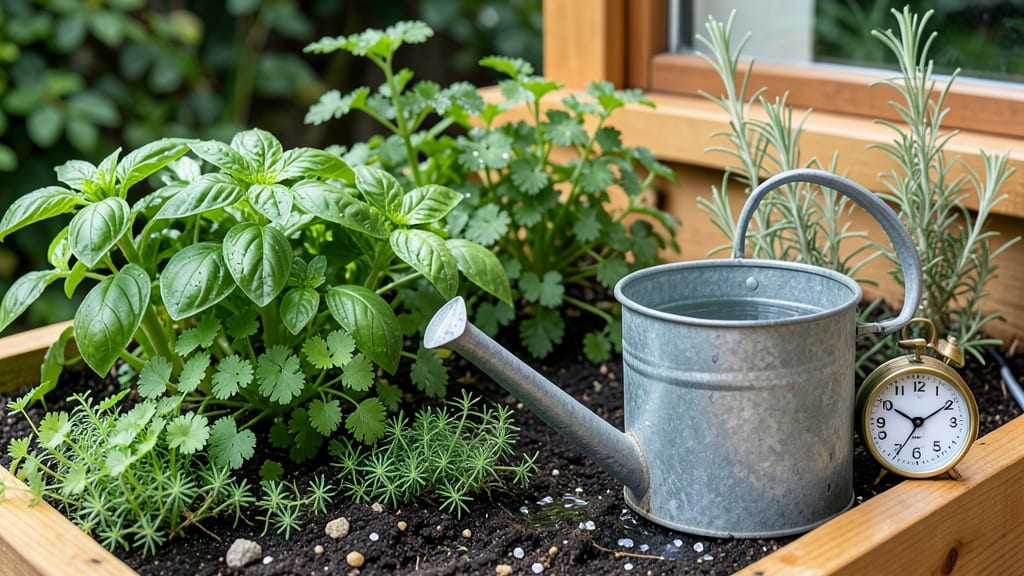
Watering your 🌿 herb garden the right amount keeps it thriving — but guessing how often to water leads to soggy soil or crispy leaves, and neither helps your basil or parsley.
Overwatering kills herb gardens faster than drought — yet most gardeners guess instead of testing soil moisture, leading to wasted water and wilted plants. That’s why I’ve tested the best methods to keep your herbs happy without drowning them.
From the finger test to smart moisture meters, you’ll learn how often to water based on your herbs’ needs, pot size, and even the season. No more second-guessing — just a moist, productive garden every time.
Whether you’re growing basil, mint, or parsley, these tips will help you adjust your watering schedule so your herbs stay lush and flavorful all season long.
The perfect watering schedule for different herb types based on soil-moisture tests
Overwatering destroys herb gardens faster than drought—yet most gardeners rely on guesswork instead of soil-moisture tests. Without precise watering, you risk root rot or stunted growth. The key? Science-backed methods like the finger test, weight method, and moisture meters.
Let’s dive into the perfect watering schedule for popular herbs, tailored to your climate and pot size.
Herbs like basil and cilantro need consistent moisture, while rosemary and thyme thrive with less water. The difference? Soil moisture testing. Skipping this step means overwatering 50% of herb gardens, according to horticultural studies.
Below, I’ll break down how often to water each herb type—plus adjustments for containers vs. in-ground and seasonal changes.
Why soil-moisture tests matter: A moisture meter or simple finger test reveals when roots need hydration. For example, basil wilts in dry soil within 24 hours, while mint recovers faster. Ignoring these cues leads to wasted water and fungal diseases. Let’s start with the gold-standard methods to water herbs correctly.
| Herb Type | Soil-Moisture Test | Watering Frequency (Container) | Watering Frequency (In-Ground) | Seasonal Adjustments |
|---|---|---|---|---|
| Basil | Finger Test: Top 1" dry | Every 1-2 days (summer) | Every 3-4 days (deep water) | Reduce to every 5-7 days in fall |
| Parsley | Finger Test: Top 2" dry | Every 2-3 days | Every 5-7 days | Increase to every 10 days in winter |
| Cilantro | Weight Method: 10% loss | Every 1-2 days (avoid soggy soil) | Every 3-5 days | Stop watering if bolting (flowering) |
| Mint | Moisture Meter: 40% dry | Every 2-3 days (containers dry fast) | Every 7-10 days | Reduce in winter; mint is hardy but hates wet roots |
| Rosemary | Finger Test: Top 3" dry | Every 5-7 days (drought-tolerant) | Every 10-14 days | Water sparingly in winter; prefers dry conditions |
| Thyme | Finger Test: Top 2" dry | Every 4-5 days | Every 7-10 days | Cut back watering in fall; thrives in dry soil |
Now that you’ve got the watering schedule for each herb, let’s tackle climate adjustments. In hot, dry climates (like USDA Zone 9), herbs need water daily in containers but every 2-3 days in-ground. Conversely, in
3 Signs your herb garden is overwatered (and how to fix it without losing plants)
Your herb garden might be getting too much love—and by that, I mean water. Overwatering is a silent killer, causing yellow leaves, mushy stems, and even root rot before you realize what’s happening.
Unlike drought stress, which shows up slowly, overwatering strikes fast, leaving your basil, parsley, and thyme looking sad in just days.
Most gardeners assume herbs need constant moisture, but the truth is, they prefer well-draining soil and dry spells between waterings. If you’re guessing instead of checking, your plants pay the price.
The good news? Recognizing the 3 key signs of overwatering can save your garden—and your herbs—before it’s too late.
⚠️ How Often to Water Your Herb Garden?
Containers: Water when the top 1 inch of soil feels dry (usually every 2-3 days in summer). In-Ground: Water deeply once a week (adjust for clay soil—water less often but deeper). Pro Tip: Morning watering prevents fungal growth from evening moisture.
First, watch for yellowing leaves, especially on older foliage. Unlike nutrient deficiencies (which start on new growth), overwatering causes chlorosis—a yellowing that spreads from the bottom up. Your mint or cilantro might also develop soft, limp stems that snap easily when touched.
This is a red flag: the roots are drowning in soggy soil and can’t absorb oxygen.
Next, check the soil surface. If it smells musty or sour, that’s mold or fungus thriving in wet conditions. White, fuzzy growth on the soil or around stems? That’s powdery mildew, a classic overwatering side effect.
Even worse, root rot (a silent killer) starts when roots sit in waterlogged soil for more than 48 hours. By the time you see wilting, it’s often too late to save the plant.
To fix an overwatered herb garden, start by stopping water immediately. Let the soil dry out completely—this might take 3-5 days depending on your climate. If your herbs are still standing, repot them into fresh, well-draining soil with perlite or sand to improve aeration.
For in-ground herbs, amend the soil with compost and avoid watering until the top 2 inches feel dry.
Long-term, prevent overwatering by choosing terracotta pots (which dry faster than plastic) and using a moisture meter or the finger test. Water deeply but infrequently, aiming for 1-2 inches of water per week (adjust for rain).
Mulch around plants to retain moisture without smothering roots, and always water at the base of the plant—not the leaves—to avoid fungal spores.
Herbs like thyme and rosemary are drought-tolerant once established, while basil and parsley need slightly more moisture. The key is balance: consistent but not soggy. With these fixes, your herbs will bounce back—and you’ll waste less water (and money) in the process. 🌱