
Size
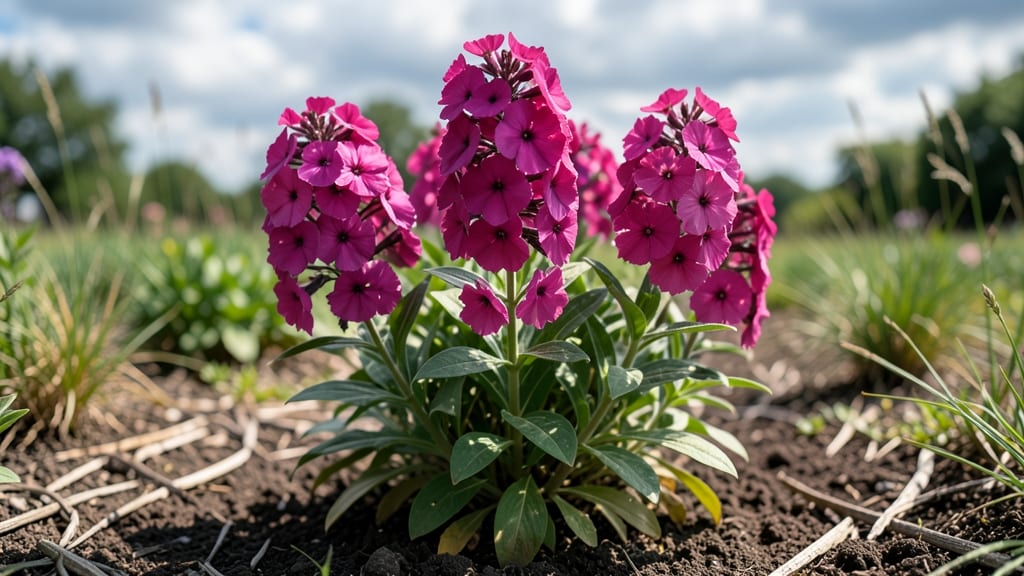
Garden phlox 🌸 can grow anywhere from 1 foot to over 5 feet tall, depending on the variety and how you care for them.
Picture this: a compact 1-foot phlox spilling over a border like a colorful waterfall, or a towering 5-foot giant reaching the top of your flower bed. The difference comes down to choosing the right type and giving them the conditions they thrive in.
Dwarf varieties stay neatly contained, while standard types can shoot up like skyrockets—unless you prune them back. Sunlight, soil quality, and spacing all play a role in how tall (or short) your phlox will grow, and getting it right means fewer surprises when they bloom.
In this guide, I’ll break down the height ranges by variety, share pruning tips to control their size, and reveal the 3 biggest mistakes that make phlox grow too tall (or too short). No guesswork—just practical advice to get the perfect height for your garden.

Garden phlox height ranges by variety: compact to towering types
Garden phlox (Phlox paniculata) offers an incredible range of heights, from delicate 1-foot dwarf varieties to dramatic 5-foot giants. Understanding these differences helps you create stunning flower borders or backyard focal points without overcrowding.
The key? Choosing the right variety for your space and design goals—whether that's a neat border edging or a romantic cottage garden backdrop.
Tall phlox varieties like 'David' or 'White Delight' reach heights of 4-5 feet, perfect for cut flower arrangements or backyard privacy screens. Meanwhile, dwarf varieties like 'Lipstick' or 'Jeana' stay under 2 feet, ideal for container gardens or rockery displays.
The right choice depends on your garden's layout and the visual impact you want to create.
Here’s how to visualize phlox heights in your garden:
For compact phlox varieties, consider 'Lipstick' or 'Jeana', which thrive in containers or window boxes. These varieties are perfect if you’re working with limited space or want to add color to patios.
Their 12–24 inch height makes them ideal for front-of-border plantings where you want to showcase their vibrant blooms without blocking other plants.
If you’re designing a backyard retreat or wildflower meadow, taller varieties like 'David' or 'White Delight' create a dramatic backdrop. Their 4–5 foot stature adds height and texture to gardens, while their long stems make them excellent cut flowers.
Plant them in groups of 3–5 for maximum impact, spacing them 36–48 inches apart to allow airflow and prevent disease.
Medium-height phlox, such as 'Blue Paradise' or 'Pink Dawn', strike a balance at 24–36 inches. These are versatile choices for mixed borders or pollinator gardens, where they can complement both tall and short plants.
Use them to bridge gaps between your sun-loving perennials and shade-tolerant shrubs, creating a seamless transition in your landscape design.
When planning your phlox garden, consider sunlight exposure and soil drainage. Tall varieties need full sun (6+ hours daily) to reach their full potential, while dwarf types can tolerate partial shade.
Amend heavy clay soil with compost or sand to improve drainage—waterlogged roots stunt growth and invite disease. Mulch around the base to retain moisture and regulate soil temperature.
Pro tip: Deadhead spent blooms to encourage reblooming and maintain a neat appearance. For taller varieties, stake stems with bamboo supports or flower rings to prevent flopping in wind or rain. This keeps your garden looking polished while allowing phlox to reach their full height potential.
Whether you’re aiming for a whimsical cottage garden or a modern minimalist design, phlox height varieties offer endless possibilities. Start small with dwarf types in containers, then expand to tall varieties for dramatic impact.
With the right spacing and care, your phlox will thrive and transform your outdoor space into a colorful haven. 🌸
How to control phlox height naturally: pruning and care tips
If you're growing garden phlox and want to keep their height in check, you've come to the right place! These stunning flowers can grow anywhere from 1 foot to 5 feet tall, but with the right techniques, you can guide their growth naturally.
The key lies in proper pruning, soil nutrition, and smart spacing. Let's dive into how you can achieve your desired phlox height without resorting to harsh chemicals.
Phlox naturally grows taller when given plenty of nutrients and space, but you can encourage compact growth by focusing on timely pruning and balanced care. For example, dwarf varieties like 'Lipstick' stay under 2 feet, while tall types like 'David' can reach 5 feet.
The good news? You can influence their height with simple garden practices that also promote healthier blooms and longer vase life.
Early Spring Pruning
Cut back dead foliage and weak stems by 1/3 in early spring to encourage bushier growth and prevent leggy stems. This also removes diseased wood and allows air circulation.
Mid-Season Deadheading
Remove spent blooms regularly to redirect energy from seed production to new flower growth. This keeps plants compact and encourages continuous blooming throughout the season.
Late Summer Height Control
After July 4th, cut back tall phlox by half to prevent flopping and encourage shorter, stockier growth. This also extends the blooming season by stimulating new side shoots.
Proper Spacing
Plant dwarf varieties 12-18 inches apart and tall varieties 24-36 inches apart to prevent overcrowding. Proper spacing reduces competition for nutrients and water, leading to healthier, shorter plants.
Balanced Fertilization
Use a balanced fertilizer (like 10-10-10) in early spring and mid-summer to promote controlled growth. Avoid high-nitrogen fertilizers, which can make plants too leggy.
Another critical factor in controlling phlox height is soil quality. Amend your soil with compost or well-rotted manure before planting to provide slow-release nutrients. This prevents rapid, top-heavy growth that can lead to flopping stems.
For container-grown phlox, use a lightweight potting mix with perlite to keep roots healthy without encouraging excessive height.
If your phlox starts to outgrow its space, don't panic! You can prune back even mature plants in early spring to reset their growth. Just remember to sterilize your pruners with rubbing alcohol to prevent disease spread.
For tall varieties, consider staking or caging to support their height while keeping them upright and tidy.
With these natural techniques, you'll have phlox that stay at your desired height while thriving and blooming beautifully all season long. Happy gardening! 🌸