
How To
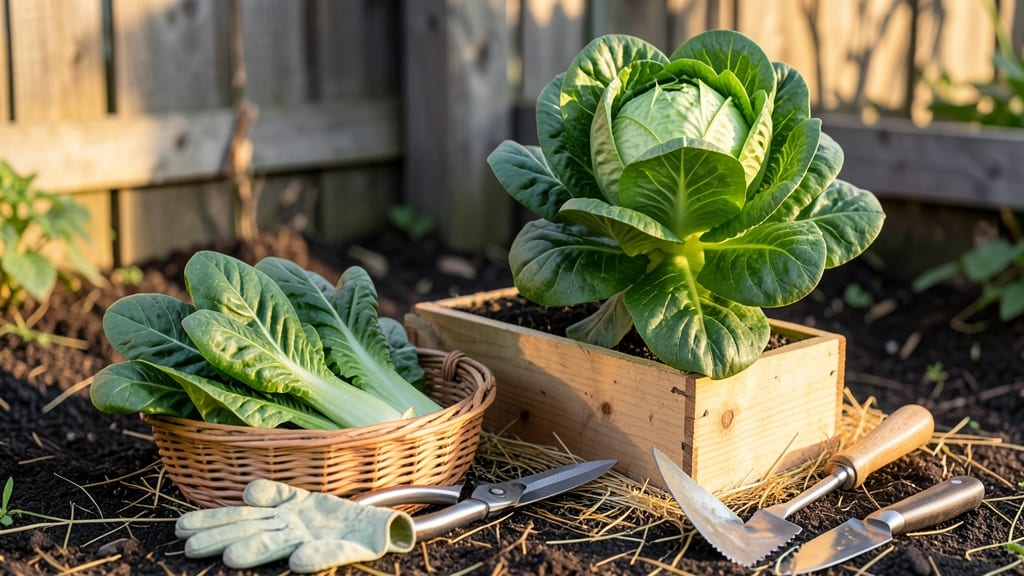
To harvest romaine lettuce from your garden at the perfect moment means crisp, tender leaves that taste like your favorite restaurant salad—no bitterness, no disappointment.
Romaine lettuce thrives in home gardens—but knowing when and how to harvest it makes the difference between crisp, sweet leaves and bitter disappointment. Master these techniques to enjoy restaurant-quality salads straight from your backyard.
You’ll learn how to spot the ideal size and texture, the best time of day to cut, and whether to snip just the outer leaves or take the whole head. Avoid common mistakes that turn your harvest into a sad, wilted pile.
From storing your freshly picked 🥬 to creative ways to use every last leaf, this guide covers everything you need to keep your garden productive and your table delicious.


When to harvest romaine lettuce for maximum freshness and flavor
Timing your romaine harvest is everything—wait too long, and you risk bitter leaves or bolting (flowering). Harvest too early, and you’ll miss the peak crisp texture and nutrient density.
The ideal window is when your romaine reaches 6–12 inches tall with fully elongated leaves, typically 45–60 days after planting.
Look for these visual cues: deep green, upright leaves that feel firm but tender when touched. Avoid harvesting when leaves are yellowing or flopping, as this signals stress or overmaturity. Morning harvests yield the crispest leaves since evening heat can cause wilting.
Spring and fall harvests deliver the sweetest romaine thanks to cooler temperatures. In USDA Zone 6a, aim for May–June or September–October harvests. Avoid harvesting during heatwaves (above 85°F) or after heavy rain, as both can trigger bolting or dilute flavor.
For cut-and-come-again harvesting, trim outer leaves when they reach 6–8 inches—this encourages regrowth. Leave the inner core intact to keep the plant productive. If harvesting the whole head, cut just above the soil line with a clean knife to avoid damaging the base.
Weather plays a surprising role in flavor. Light frosts (below 32°F) can sweeten romaine, but avoid harvesting after frost—leaves may turn slippery or mushy. Cloudy days are perfect for harvesting since direct sunlight can cause leaves to wilt faster post-harvest.
Pro tip: Test readiness by gently pinching a leaf. If it snaps cleanly and tastes crisp with no bitterness, it’s ready. If it feels tough or bitter, wait 2–3 more days.
Overharvesting weakens the plant, so balance yield with regrowth goals—especially if you’re saving seeds or planning a fall succession crop.
Seasonal timing also affects storage life. Spring harvests store for 5–7 days in the fridge, while fall-grown romaine lasts 7–10 days due to cooler temps slowing spoilage. Always remove outer leaves first to extend the life of your inner romaine.
One common mistake? Harvesting during peak afternoon heat (after 2 PM). Leaves lose moisture quickly and become limp. Instead, harvest in the early morning when leaves are hydrated and firm. Rinse immediately in cool water to remove dirt and pesticide residue.
For continuous harvests, space plantings 2–3 weeks apart in spring and fall. This ensures a steady supply of crisp romaine without gaps. Just remember: patience pays off—rushing harvests leads to smaller, less flavorful leaves.
Step-by-Step guide to cutting romaine lettuce without damaging the plant
Harvesting romaine lettuce correctly ensures you get crisp, flavorful leaves while keeping your plant healthy for future harvests. The key is using the cut-and-come-again method, which allows regrowth without stressing the plant.
This technique works best when leaves reach 6-12 inches tall and are deep green and firm to the touch.
Many gardeners make the mistake of harvesting entire heads at once, which can shock the plant and reduce future yields. Instead, focus on selective cutting to maintain the plant's energy and encourage continuous production.
Always use clean, sharp pruning shears or a knife to avoid tearing leaves, which can introduce diseases.
- 🌱 Step 1: Choose the Right Leaves
Select the outer leaves that are fully grown (6+ inches) and avoid cutting into the inner heart of the plant. - 🌿 Step 2: Use Clean Tools
Sterilize your pruning shears or knife with rubbing alcohol to prevent soil contamination or disease spread. - ✂️ Step 3: Make a Clean Cut
Cut leaves at a 45-degree angle, about 1 inch above the next set of leaves to encourage regrowth. - 💧 Step 4: Water Immediately After
Give the plant a deep watering to help it recover and promote new growth. - ☀️ Step 5: Monitor for Regrowth
Wait 2-3 weeks before harvesting again, checking for new leaves to emerge from the center.
After harvesting, avoid overcrowding by thinning out any yellow or damaged leaves to improve airflow and reduce pests. This also helps the plant focus energy on producing new, healthy growth. If your romaine starts to bolt (flower), harvest it immediately, as the leaves will become bitter and tough.
For fall harvests, continue using the cut-and-come-again method until the first frost, which typically occurs around late October in most regions. In warmer climates, you can extend the harvest season by using shade cloth to protect the plants from intense afternoon sun.
Pro tip: Harvest in the morning when leaves are crisp and hydrated. This ensures the best flavor and texture for your salads or wraps. Store harvested leaves in the refrigerator in a plastic bag with a paper towel to absorb moisture and extend freshness.
By following these steps, you’ll enjoy a steady supply of fresh romaine lettuce all season long while keeping your plants thriving. Happy harvesting! 🥬