
Tools
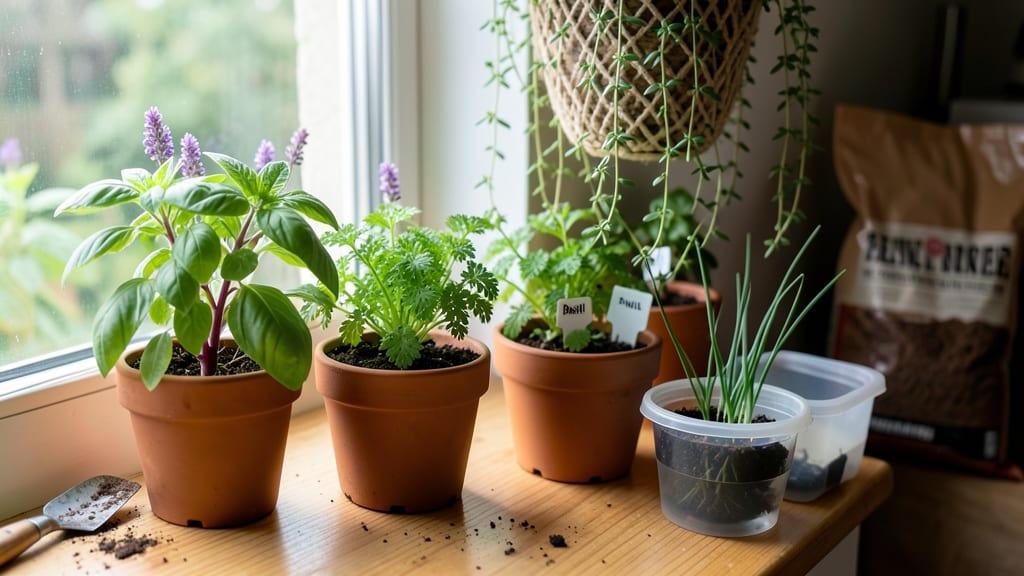
Having a garden in an apartment isn’t just possible—it’s easier than you think with the right setup and a few clever tricks.
Picture this: fresh 🌿 herbs on your kitchen counter, crisp lettuce for salads, or even a burst of flowers on your tiny balcony. You don’t need a backyard—just a little creativity and the right tools to turn even the smallest space into a thriving green oasis.
Whether you’re working with a sun-drenched windowsill or a dim corner, I’ll show you how to choose the best vertical planters, pick the hardiest plants for your light conditions, and keep everything lush with minimal effort.
By the end, you’ll have a customized, space-saving garden that fits your apartment’s layout and your lifestyle—no green thumb required.
Best vertical planters for small apartment gardens
Transforming your tiny apartment into a lush garden starts with the right vertical planters. These space-saving solutions maximize your square footage while keeping your herbs, greens, and flowers thriving—even in low-light conditions.
The key is choosing a planter that matches your sunlight exposure, maintenance style, and plant preferences. Whether you have a sun-drenched balcony or a dim corner, there’s a vertical planter perfect for your needs.
Vertical gardening isn’t just about saving space—it’s about optimizing sunlight and air circulation for healthier plants. For example, wall-mounted planters work beautifully for sun-loving herbs like basil and thyme, while hanging pockets are ideal for trailing plants such as pothos or strawberries.
Let’s break down the best options, their pros and cons, and the ideal plant pairings to make your apartment garden a success.
Here’s a detailed comparison of the top vertical planter types to help you decide which fits your apartment best:
If you’re working with a sunny balcony, wall-mounted planters are my top recommendation. They’re sturdy, customizable, and perfect for sun-loving plants like tomatoes, peppers, and rosemary. Just ensure you mount them securely—especially if you live in a windy area.
For low-light apartments, hanging planters or tiered systems near a window are ideal. Pair them with pothos, spider plants, or lettuce to keep things lush without overwhelming your space.
For those who love herbs and greens, a modular system is a game-changer. You can start with a small setup and expand as your green thumb grows. Plus, they’re perfect for vegetables like cherry tomatoes or bush beans.
Just remember: the top tiers get the most light, so place your sunniest plants there and shade-tolerant plants on the bottom.
Don’t overlook the maintenance ease of each planter type. Self-watering hanging planters are a lifesaver if you travel often, while tiered systems require a bit
Top 7 low-maintenance plants for vertical apartment gardens
If you’re new to vertical gardening, don’t worry—some plants practically grow themselves when given the right conditions. I’ve tested these 7 hardy varieties in my own tiny apartment, and they thrive in vertical setups with minimal fuss.
Whether you have a sunny windowsill or a shady corner, these plants adapt effortlessly to vertical spaces while delivering fast rewards like fresh herbs, crisp greens, or cheerful blooms.
My top picks focus on fast growth, low water needs, and compact sizes—perfect for hanging pockets, wall-mounted planters, or even repurposed containers. The best part? They all repel pests naturally and boost air quality without requiring a chemistry degree to keep alive.
Let’s dive into the easiest plants to grow vertically, ranked by how well they handle apartment challenges like limited light and irregular watering.
Mint is my #1 recommendation for vertical gardens because it’s aggressive but adaptable. It thrives in shady corners and hanging planters, spreading quickly to fill empty spaces. I grow spearmint in a wall-mounted pocket planter near my kitchen—it’s always lush and ready for teas or cocktails. The key is pruning regularly to control its spread and prevent it from taking over your other plants.
For leafy greens, leaf lettuce and spinach are vertical gardening superstars. They grow in just 30-40 days and tolerate partial shade, making them perfect for north-facing windows or indoor grow lights.
I use stackable fabric grow bags to maximize space—each bag holds 3-4 plants, and I harvest the outer leaves first to encourage continuous growth. Succulents like sedum or echeveria are ideal for sunny balconies and need almost no water once established.
They add a modern touch to vertical gardens and survive neglect better than most plants.
If you crave fresh herbs, basil and thyme are must-haves for vertical setups. Basil loves bright light and grows tall enough for hanging baskets, while thyme stays compact and drought-tolerant.
I pair them in a two-tiered planter on my south-facing balcony—basil at the bottom for maximum sunlight and thyme on top where it gets dappled shade. Nasturtiums are another winner: their trailing vines cascade beautifully, and their edible flowers add a pop of color to salads.
Don’t overlook strawberries—especially alpine varieties like Mignonette. They’re perfect for hanging planters and produce sweet fruit in just 60 days. I grow mine in a macramé hanger near my west-facing window, where they get afternoon sun.
The only trick is protecting them from birds with a lightweight net. All these plants share one thing in common: they forgive mistakes, whether it’s skipping a watering or accidentally overwatering. That’s the beauty of vertical gardening—even beginners can succeed with the right choices.
To keep your vertical garden