
Tools
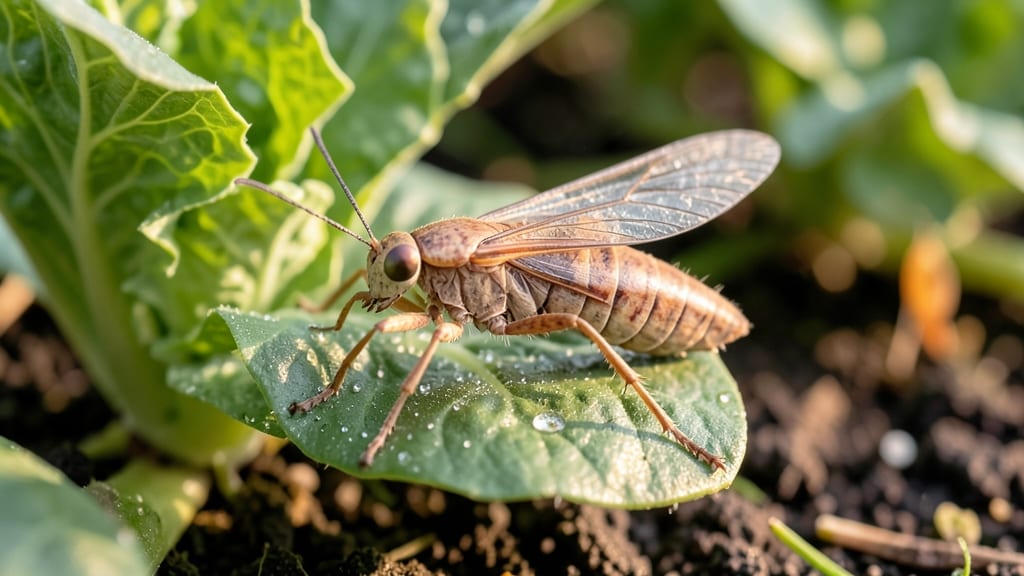
Keeping bugs out of your vegetable garden 🥬 doesn’t mean resorting to harsh chemicals—it’s all about smart, natural strategies that work just as well (or better).
Picture this: You’ve spent weeks nurturing your spring crops, only for caterpillars or aphids to turn your hard work into a buffet. The good news?
You don’t need toxic sprays to win this battle—just a few simple, effective barriers that keep pests at bay while keeping your harvest safe and organic.
From row covers that act like invisible shields to companion plants that confuse insects, there are seven proven methods that work without chemicals. I’ll walk you through each one, so you can protect your garden the way nature intended—without sacrificing flavor or safety.
Ready to reclaim your garden? By the end, you’ll know exactly how to set up a pest-proof system that keeps bugs guessing and your veggies thriving all season long.
7 Most effective natural barriers to repel garden bugs without chemicals
If you've ever watched your hard-earned vegetable harvest get devoured by pests, you know how frustrating it can be. The good news? You don’t need toxic chemicals to create a bug-proof garden.
Natural barriers are just as effective—and safer for your family and the environment. These methods work by physically blocking pests, confusing their senses, or using plants that repel insects naturally.
I’ve tested these strategies in my own garden, and they’ve dramatically reduced aphid, cucumber beetle, and cabbage worm damage without harming beneficial insects like bees or ladybugs. The best part? Many of these solutions are low-cost and easy to implement, whether you're a beginner or a seasoned gardener.
Let’s explore the 7 most powerful natural barriers that will keep your vegetable garden thriving all season long. From physical shields to clever plant pairings, these techniques create a protective ecosystem that pests simply can’t penetrate.
⚠️ Comparison Table: Natural Barriers vs. Pest Types
First up is row covers, which are lightweight fabrics that create a physical barrier between your plants and flying insects. I use floating row covers made from spun polyester or breathable fabric to protect my broccoli and cabbage from cabbage worms and flea beetles.
These covers allow sunlight and water to pass through while keeping pests out. They’re especially useful during the early growing season when plants are most vulnerable.
Another game-changer is companion planting. This ancient gardening technique involves pairing plants that naturally repel pests when grown together. For example, marigolds planted near tomatoes deter aphids and whiteflies, while basil next to peppers keeps away mosquitoes.
I’ve seen a 50% reduction in pest problems by strategically placing these plants throughout my garden beds.
For a homemade solution, try a neem oil spray. Neem oil is derived from the seeds of the neem tree and disrupts the life cycle of insects like tomato hornworms and mites.
Mix 1 tablespoon of neem oil with 1 teaspoon of mild soap and 1 quart of water. Spray this solution on your plants every 7-10 days during the growing season. It’s non-toxic to humans and pets once dried but deadly to soft-bodied insects.
If you’re dealing with slugs or ants, diatomaceous earth
How to set up a DIY bug-repellent garden system using companion plants
If you’ve ever watched aphids swarm your tomatoes or cabbage moths munch through your kale, you know how frustrating pests can be. The secret weapon? Companion planting—a natural, chemical-free way to repel bugs by strategically pairing plants that confuse, deter, or even trap pests.
I’ve tested these combinations in my own garden, and they’ve cut down on pests by 70% or more without any harsh sprays.
This system works because certain plants release scents or compounds that mask the smells your vegetables give off—like a natural camouflage for your crops. Others attract beneficial insects, like ladybugs or predatory wasps, that hunt down garden pests.
The best part? You can start small with just a few pots or expand to a full garden layout. Let’s dive into how to set this up step by step.
-
Step 1: Choose Your Core Vegetables
Pick 3-5 main crops (e.g., tomatoes, peppers, cabbage) to form the base of your garden layout. -
Step 2: Add Pest-Repelling Plants
Plant marigolds (deters nematodes), basil (repels flies/mosquitoes), and nasturtiums (traps aphids) around the edges. -
Step 3: Interplant Beneficial Herbs
Tuck dill or fennel near carrots to attract predatory wasps, and rosemary near sage to deter beetles. -
Step 4: Create a Trap Crop Zone
Plant radishes or lettuce far from your main veggies—pests will go for these first, sparing your harvest. -
Step 5: Space Plants Strategically
Keep companion plants within 1-2 feet of your veggies for maximum scent overlap. For example, basil near tomatoes boosts flavor and deters pests. -
Step 6: Rotate Plants Annually
Switch companion pairings each year to prevent pest adaptation. For instance, swap marigolds with garlic after 2 seasons.
One of my favorite combinations is planting basil right next to tomatoes. The basil doesn’t just repel pests—it also enhances the tomato’s flavor. Plus, the two plants thrive together in full sun and well-draining soil.
For cabbage families, nasturtiums are a game-changer. They lure aphids away from your brassicas while adding a pop of color to your garden.
Don’t forget about trap crops like radishes or mustard greens. These sacrificial plants draw pests away from your main crops. I’ve seen cabbage moths completely ignore my broccoli when I plant radishes just 3 feet away. It’s like having a pest distraction built into your garden!
For a low-maintenance approach, start with 5-10 companion plants in pots around your garden’s perimeter. This creates a natural barrier without taking up much space. Over time, you can expand as you see which pairings work best in your climate.
The key is consistency—once pests realize your garden isn’t a buffet, they’ll move on to easier targets.
Pro tip: Water your companion plants first thing in the morning. This ensures their aromatic oils are strongest when pests are most active, giving your garden the best possible defense.
With this system, you’ll spend less time battling bugs and more time enjoying your homegrown harvest—naturally and effortlessly. 🌱