
Pests
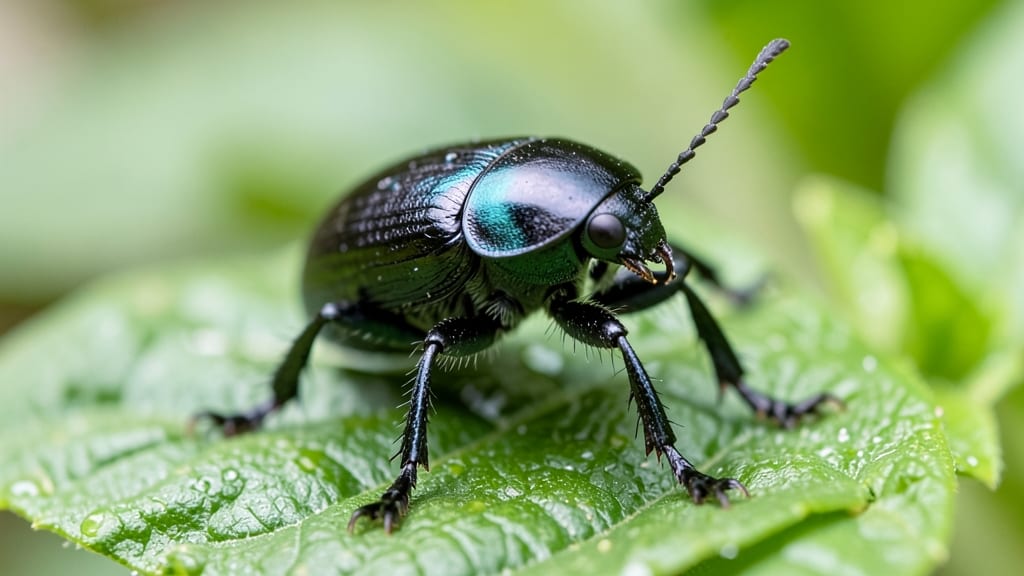
Keeping insects away from your garden without harsh chemicals is easier than you think—and it starts with the right strategies.
Picture this: you’ve spent hours tending to your plants, only to wake up to chewed leaves and wilting blooms. Chemical sprays might seem like the quick fix, but they can harm the very ecosystem you’re trying to protect.
The good news? Natural barriers like companion planting, physical defenses, and organic sprays can keep pests at bay while nurturing your garden’s health.
From marigolds that confuse aphids to copper tape that deters slugs, there are proven methods to shield your garden without sacrificing its balance. Below, I’ll walk you through the most effective natural solutions, tailored to common pests and seasonal risks—so you can enjoy a thriving garden without the guesswork.
Whether you’re dealing with beetles, slugs, or aphids, these science-backed techniques will help you create a pest-resistant space that thrives year-round. Ready to reclaim your garden the natural way?
Top 7 natural barriers to repel common garden insects
If you’ve ever watched aphids swarm your roses or beetles munch through your vegetable leaves, you know how frustrating garden pests can be. The key to long-term protection lies in natural barriers that deter insects without harming your plants or the environment.
Unlike chemical sprays, these solutions work with nature—confusing pests, attracting beneficial predators, or creating physical obstacles they can’t cross.
Science shows that plant-based repellents and strategic garden layouts can reduce pest populations by up to 70%. The best part? These methods also improve soil health and support pollinators like bees and butterflies. Let’s explore seven proven, non-toxic ways to keep your garden thriving without resorting to harsh chemicals.
🌿 7 Natural Barriers to Keep Insects Away
- 1. Companion Planting Strategically pair plants like marigolds with tomatoes or basil with peppers to confuse pests.
- 2. Physical Barriers Use row covers or mesh netting to block flying insects while allowing sunlight and water through.
- 3. Essential Oil Sprays Mix neem oil or peppermint oil with water for a potent, plant-safe repellent.
- 4. Diatomaceous Earth Sprinkle food-grade DE around plant bases to dehydrate crawling pests like slugs and ants.
- 5. Beneficial Insects Attract ladybugs or lacewings with flowering plants—they feast on aphids and caterpillars.
- 6. Copper Tape Wrap copper tape around raised beds to deter slugs and snails with a mild electric shock.
- 7. Garlic and Chili Sprays Blend garlic or chili peppers into a spray to repel beetles and moths without harming plants.
Pro Tip: Combine 2-3 methods for maximum effectiveness, like planting marigolds near your veggies and spraying with neem oil weekly.
Let’s dive deeper into how each of these natural barriers works and how to implement them in your garden. For example, companion planting isn’t just about aesthetics—it’s a science-backed way to disrupt insect life cycles.
Plants like basil release compounds that mask the scent of vulnerable herbs, while nasturtiums act as a trap crop, luring pests away from your prized vegetables.
Physical barriers are another game-changer. Row covers made from lightweight fabric let in sunlight and rain while blocking flying insects like cabbage moths. I’ve seen gardeners use them to protect broccoli and cabbage from devastating caterpillar infestations. The key is to secure the edges tightly so pests can’t crawl underneath.
For those who prefer DIY solutions, essential oil sprays are incredibly effective. A mix of 1 tablespoon neem oil, 1 teaspoon dish soap, and 1 quart water creates a potent repellent for aphids and mites.
Always test sprays on a small leaf first to ensure your plants tolerate the blend. I’ve used this spray on my roses for years with zero chemical residue.
One of my favorite low-tech solutions is diatomaceous earth (DE). This powdery substance is made from fossilized algae and works by damaging the exoskeletons of insects like ants and slugs.
The best time to apply DE is in the early morning when pests are most active. Just sprinkle a thin layer around plant bases and water lightly to activate it.
Don’t overlook the power of beneficial insects. Ladybugs, lacewings, and parasitic wasps are natural predators of garden pests. To attract them, plant dill, fennel, or yarrow—these flowers provide nectar and shelter.
I’ve seen a single ladybug colony reduce my aphid population by 90% in just two weeks!
If slugs and snails are your nemesis, copper tape is a simple yet effective solution. The copper creates a mild electric shock when the pests cross it, deterring them without harm.
Wrap a strip around raised beds or containers, and you’ll notice fewer slimy trails on your leaves. It’s a permanent barrier that lasts for years.
Finally, garlic and chili sprays are a gardener’s secret weapon. Blend 3 garlic cloves, 1 chili pepper, and 1 quart water, then strain and spray on foliage.
The strong scent confuses pests like beetles and moths. I’ve used this spray on my tomato plants to keep hornworms at bay—no chemicals, just natural defense.
By integrating these natural barriers into your garden routine, you’ll create a resilient ecosystem that pests can’t penetrate. The best part? Your plants will thrive, your soil will stay healthy, and you’ll enjoy a chemical-free harvest that’s safe for your family and the planet. 🌱
How to build a physical barrier system for your garden
If you've ever watched your tomatoes or leafy greens get munched overnight, you know how frustrating garden pests can be. Instead of relying on harsh chemicals, a physical barrier system offers a safe, effective way to protect your plants.
These barriers create a shield that blocks insects while allowing sunlight, water, and air to reach your crops. The best part? You can customize them based on your garden's size and the specific pests you're dealing with.
Physical barriers work by physically preventing insects from reaching your plants. Whether you're dealing with cabbage moths, aphids, or slugs, the right barrier can make all the difference.
From lightweight row covers to sturdy mesh netting, there are options for every garden type—whether you have raised beds, in-ground plots, or container gardens. Let's explore how to build a system that keeps your plants safe without harming the environment.
- 1 Assess Your Garden's Needs: Identify the primary pests in your area (e.g., squash bugs, caterpillars, or deer). Choose barrier materials based on their size and behavior. For example, fine mesh netting works for flying insects, while hardware cloth is better for larger pests.
- 2 Choose the Right Materials: Select lightweight but durable materials like floating row covers (for vegetables), copper tape (to deter slugs), or chicken wire (for larger pests). For delicate plants, opt for breathable mesh that allows pollination while blocking insects.
- 3 Install Supports: Use bamboo stakes, T-posts, or hoops to create a framework for your barriers. For row covers, space supports every 2-3 feet to ensure the material doesn’t sag and block sunlight. Secure the edges with landscape staples or clips to prevent gaps.
- 4 Cover Your Plants: Drape the barrier material over your plants, ensuring it touches the soil surface to prevent pests from crawling underneath. For tomato cages or trellises, use mesh netting to create a protective tunnel. Leave room for watering and pruning by securing the edges loosely.
- 5 Adjust for Seasonal Needs: In spring and fall, use lighter materials to allow pollinators to access flowers. During summer, switch to heavier-duty barriers if pests like squash vine borers become active. Remove barriers in winter to avoid trapping moisture and causing rot.
- 6 Monitor and Maintain: Check your barriers weekly for tears or gaps. Repair any damage immediately to maintain effectiveness. Store unused barriers in a dry, shaded area to prolong their lifespan. Rotate materials seasonally to prevent pest adaptation.
One of the biggest advantages of a physical barrier system is its versatility. You can mix and match materials to address specific threats. For example, pair copper tape around the base of your hostas to deter slugs while using row covers over your cabbage to block flying pests.
This layered approach ensures comprehensive protection without relying on chemicals.
For container gardens, consider using fine mesh bags or cage-like structures to protect individual plants. These are especially useful for herbs like basil or cilantro, which are prone to attacks from aphids and whiteflies.
With a little creativity, you can tailor your barrier system to fit even the smallest spaces.
Remember, the key to a successful barrier system is consistency. Pests are persistent, so your defenses must be too. By combining the right materials with proper installation and seasonal adjustments, you’ll create a fortress for your plants that keeps them thriving all season long. Happy gardening!