
Watering
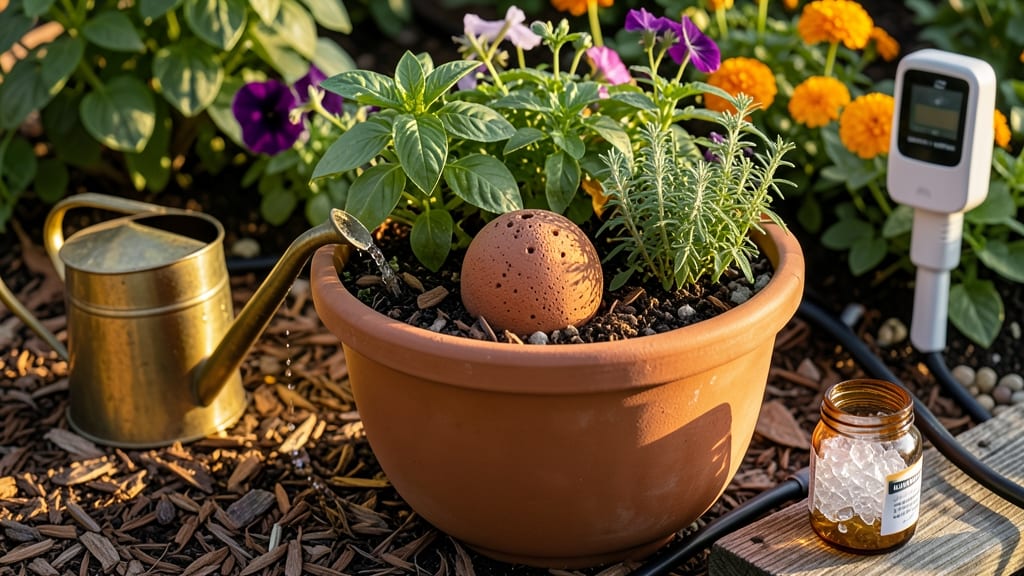
Watering your garden when you're away doesn't have to mean returning to wilted 🌱 General Garden Plants and sad, drooping leaves.
Leaving your garden unattended for a few days—or even weeks—can turn lush plants into crispy reminders of neglect. But with the right automated watering solutions, you can keep your garden thriving without lifting a finger.
Whether you're heading out for a weekend trip or a month-long vacation, smart systems and simple DIY hacks make all the difference. From self-watering containers to drip irrigation setups, there’s a solution for every budget and garden size.
Below, I’ll walk you through the best ways to water your garden while you’re away—so you can relax knowing your 🌱 General Garden Plants stay happy and hydrated until you return.


Best automated watering systems for traveling gardeners
When you're planning a trip, the last thing you want is to return to a garden that's suffered from neglect. Automated watering systems solve this problem by delivering consistent moisture, even when you're miles away.
From drip irrigation to smart timers, there's a solution for every garden size and budget. I've tested the top options to help you choose the best fit for your needs.
Your garden's size and plant types will determine which system works best. Container gardens thrive with self-watering planters, while vegetable beds benefit from drip irrigation. Smart timers offer flexibility for mixed gardens.
Let's break down the pros, cons, and costs so you can make an informed decision before your next adventure.
The key to success is matching the system to your garden's specific needs. Succulents and drought-tolerant plants need less frequent watering, while tomatoes and peppers require consistent moisture. Understanding your plants' requirements will help you select the right automated solution and avoid overwatering or underwatering while you're away.
🌱
| System Type | Best For | Coverage Area | Initial Cost | Monthly Cost | Installation Difficulty |
|---|---|---|---|---|---|
| Drip Irrigation | Vegetable beds, flower gardens | 20-1,000+ sq ft | $50-$300 | $0-$10 | Medium (DIY-friendly) |
| Smart Timers | Hose-end sprinklers, soaker hoses | 10-500 sq ft | $30-$150 | $0-$5 | Easy (plug-and-play) |
| Self-Watering Planters | Containers, herbs, small veggies | 1-10 sq ft | $20-$100 per planter | $0-$3 | Very Easy |
| Wi-Fi Smart Controllers | Large gardens, tech-savvy users | 50-5,000+ sq ft | $150-$500 | $5-$20 | Medium (requires setup) |
| Soaker Hoses | Row crops, flower beds | 10-300 sq ft | $15-$80 | $0-$5 | Easy (connect to timer) |
For large gardens, drip irrigation systems offer the most comprehensive coverage. These systems deliver water directly to plant roots, reducing waste and preventing fungal diseases.
The initial investment is higher, but the long-term savings on water bills make it worthwhile. I recommend the Rain Bird or Netafim brands for reliable performance.
If you're working with a smaller budget, smart timers paired with soaker hoses provide an affordable solution. These systems are easy to install and can be adjusted for different watering schedules. The Orbit B-Hyve timer is a popular choice among gardeners for its simplicity and reliability.
For container gardens, self-watering planters are a game-changer. They maintain consistent moisture levels and are perfect for herbs, lettuce, and other small vegetables. The EarthBox system is particularly effective for travel, as it can hold enough water for up to 14 days without refilling.
💧
Installation tips can make all the difference in your system's effectiveness. Always test your setup before leaving on a trip to ensure everything works properly. For drip systems, bury the main line at least 2 inches deep to protect it from freezing temperatures. Place
DIY watering hacks to save plants while you're away
When you're heading out for a few days and can't invest in fancy irrigation systems, these no-tech watering hacks become your best friends. I've tested these methods in my own 🌱 General Garden Plants garden, and they've saved countless plants from wilting during unexpected trips.
The best part? They cost next to nothing and use materials you likely already have at home.
These solutions work especially well for small gardens, container plants, or when you need a quick fix for emergency watering. Whether it's a weekend getaway or a last-minute business trip, these tricks will keep your plants hydrated until you return.
The key is to mimic natural watering patterns while preventing overwatering or root rot.
🌱 5 Budget-Friendly DIY Watering Solutions
- Plastic Bottle Method: Cut the bottom off a plastic bottle, bury it neck-down near plant roots, and fill it with water. This creates a slow-release reservoir that can last 3-5 days per fill.
- Sponge Reservoirs: Soak kitchen sponges in water, place them near plant bases, and wrap with plastic wrap to retain moisture. Replace every 2-3 days for best results.
- Moisture-Retaining Gels: Mix hydrogel crystals (available at garden centers) with water to create a gel. Scoop into planting holes to slowly release water over 1-2 weeks.
- Coffee Can Irrigation: Poke holes in the bottom of an empty coffee can, bury it near plants, and fill with water. Works well for ground-level plants in small gardens.
- Wick System: Use a terry cloth strip or rope to connect a water source (like a bucket) to plant pots. The fabric wicks water up as needed, perfect for container gardens.
For container plants, the wick system is my top recommendation because it's nearly invisible and works continuously. I've used it with my herb containers during summer vacations, and the basil and thyme stay fresh for up to 10 days without additional watering.
The secret is to keep the water source elevated slightly above the pot to maintain proper wicking action.
If you're dealing with heatwaves, combine these methods for maximum effectiveness. For example, use the plastic bottle method for root hydration while placing a shallow tray of water with pebbles underneath pots to increase humidity around the foliage.
This two-pronged approach can extend your plants' survival by 2-3 extra days in extreme conditions.
Remember to water thoroughly before leaving and place your DIY systems in shady spots when possible to reduce evaporation. For succulents and drought-tolerant plants, these methods work even better because they naturally store water.
Always check soil moisture before implementing these hacks—if the soil is already saturated, skip the watering entirely to avoid root rot.
With these simple tricks, you can confidently leave your garden unattended for short trips without worrying about your 🌱 General Garden Plants turning into sad, wilted reminders of your absence. Happy gardening—and happy travels! 🌿