
Advice
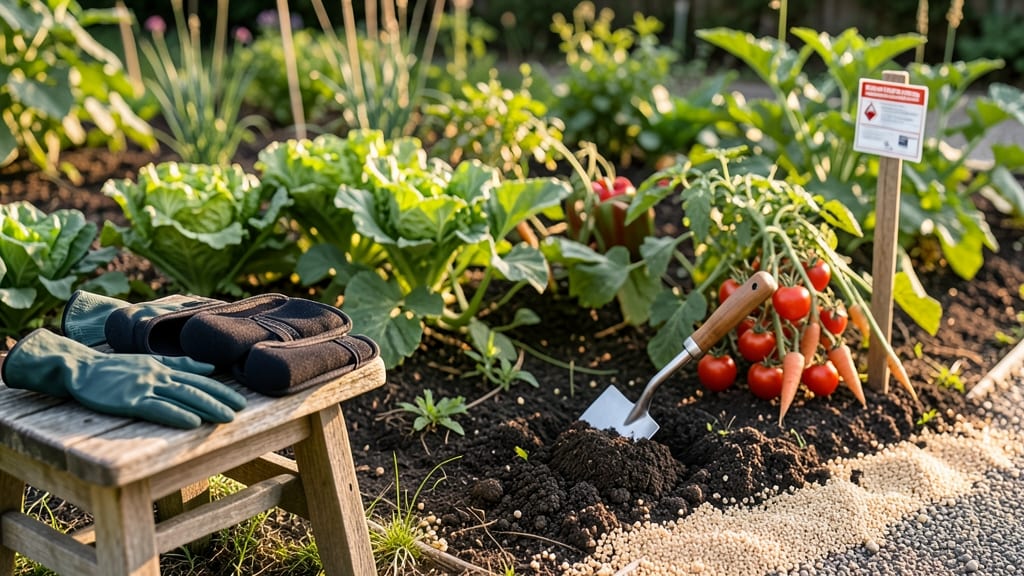
Bifen (bifenthrin) is not safe for vegetable gardens—it disrupts nervous systems in insects, harms pollinators like bees, and leaves harmful residues on edible crops. Gardeners should avoid it due to its long-lasting toxicity and instead use safer options like neem oil or pyrethrin sprays.
This synthetic pesticide is classified as a neurotoxin, meaning it attacks the nervous systems of insects—including bees and butterflies that are essential for pollination. 🐝 When applied to vegetable gardens, bifenthrin can linger in the soil for months, contaminating crops and harming beneficial insects that keep ecosystems balanced.
The Environmental Protection Agency (EPA) has even warned about its potential risks to human health, especially for children and pregnant women.
For organic gardeners, the stakes are even higher. Many "natural" pest control methods—like introducing ladybugs or using companion planting—become ineffective when chemical pesticides like bifenthrin are present. Instead, I recommend focusing on preventive measures such as crop rotation, physical barriers, or targeted sprays made from plant-based ingredients.
💡 In This Article
- How Bifen Toxicity Affects Vegetable Gardens and Ecosystems
- Best Organic Pesticides for Vegetable Gardens (Safe Alternatives to Bifen)
How bifen toxicity affects vegetable gardens and ecosystems
Bifen, or bifenthrin, works by overstimulating and then blocking nerve signals in insects, causing paralysis and death within hours. This neurotoxic mechanism affects not just target pests like aphids or beetles but also beneficial insects such as bees, ladybugs, and lacewings.
Studies show that bifenthrin can reduce bee populations by up to 90% in treated areas, disrupting pollination critical for vegetable gardens. The chemical binds to soil particles, persisting for 3-6 months, which means it continues harming ecosystems long after application.
The problem extends to edible crops because bifenthrin leaves residues on leaves and roots. When you harvest vegetables like tomatoes or lettuce, these residues can transfer to your kitchen. The EPA classifies bifenthrin as a Group III pesticide (moderately hazardous), with acute exposure risks including dizziness, nausea, and respiratory issues.
Children are especially vulnerable due to their developing nervous systems and closer contact with contaminated soil during play.
For organic gardeners, bifenthrin's impact is even more devastating. It eliminates natural pest predators, forcing you to rely on chemical solutions instead of balanced ecosystems. For example, a single application can wipe out entire colonies of parasitic wasps, which normally control caterpillars.
Without these allies, your garden becomes more vulnerable to outbreaks of pests like cabbage worms or tomato hornworms, creating a cycle of dependency on toxic chemicals.
What most people don't realize is how bifenthrin affects soil microbes. These microscopic organisms break down organic matter and cycle nutrients—critical for plant health. Research from the University of California shows bifenthrin can reduce beneficial bacterial populations by 30-50%, weakening soil fertility.
This means your vegetables won't just be contaminated; they'll grow in poorer-quality soil, affecting both yield and nutritional value.
Even the application process poses risks. When you spray bifenthrin, microscopic droplets can drift into nearby water sources or be inhaled. The chemical's low water solubility means it doesn't wash away easily—rain can spread it further into your garden's ecosystem.
For comparison, organic alternatives like neem oil break down within 1-7 days and target pests without harming beneficial insects or soil life.
Consider this: a single teaspoon of bifenthrin can treat 500 square feet of garden, yet its effects ripple through your entire growing system. The immediate pest control comes at a long-term cost to biodiversity and food safety. 🌱