
Advice
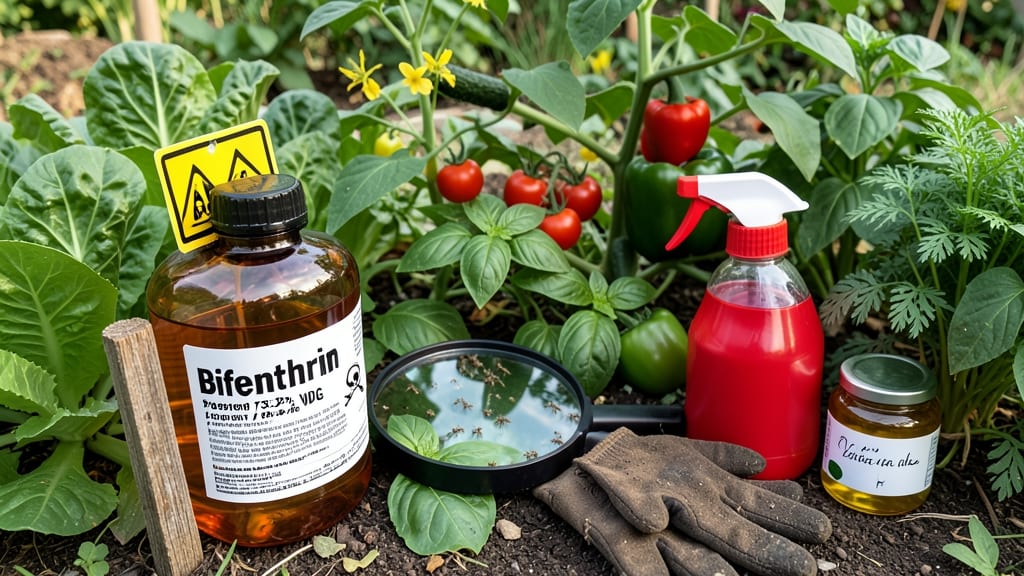
Is bifenthrin safe for vegetable gardens? It can be used safely when following EPA-approved application guidelines, but it harms pollinators and beneficial insects while potentially lingering in soil. For organic gardening, neem oil, insecticidal soap, or diatomaceous earth offer effective alternatives without these risks.
Is bifenthrin safe for vegetable gardens? The chemical's safety hinges on precise application—even EPA-approved use requires protective gear and careful timing to avoid harming bees and soil microbes. 🌱 The chemical's persistence in soil can disrupt beneficial organisms for months, making it a poor choice for long-term organic systems.
I've seen gardeners switch to neem oil after realizing bifenthrin's collateral damage, especially when targeting soft-bodied pests like aphids or mites.
Organic alternatives like neem oil or insecticidal soap work by suffocating pests on contact, while diatomaceous earth creates a physical barrier that dehydrates insects. These methods maintain garden biodiversity without the chemical footprint. For heavy infestations, beneficial nematodes target soil-dwelling pests like grubs without harming plants or pollinators.
💡 In This Article
- EPA Regulations and Toxicity Risks of Bifenthrin in Gardens
- Effective Organic Pest Control Alternatives for Vegetable Gardens
EPA regulations and toxicity risks of bifenthrin in gardens
The Environmental Protection Agency (EPA) classifies bifenthrin as a restricted-use pesticide due to its high toxicity to bees and aquatic organisms. This synthetic pyrethroid works by disrupting nervous system function in insects, but its broad-spectrum action doesn't discriminate between pests and beneficial species.
When applied during active pollination periods (like spring blooms), bifenthrin can kill bees within hours of exposure, even at low concentrations.
Soil persistence is another critical concern—bifenthrin can remain active for 30-60 days after application, depending on soil organic matter and moisture levels. Studies show residues can inhibit earthworm activity by up to 40%, disrupting nutrient cycling that vegetable plants rely on.
The chemical's half-life in sandy soils is about 120 days, while clay soils may retain it for 180 days or longer. 🌱 This long-term presence makes bifenthrin particularly problematic for organic gardeners who prioritize soil health.
Human exposure risks during application are significant. The EPA requires applicators to wear waterproof gloves, long sleeves, and a mask rated for organic vapors when handling bifenthrin. Residue studies reveal that improper handling can leave detectable levels on produce for upstrong>7 days after treatment, though proper rinsing reduces this risk.
The chemical's low volatility means drift is less of a concern than its direct contact toxicity to workers and pets.
What most gardeners overlook is bifenthrin's impact on natural pest control systems. Beneficial insects like ladybugs and lacewings, which prey on garden pests, are 10-50 times more sensitive to bifenthrin than target pests.
A single application can eliminate these predators for weeks, creating a pesticide-induced pest outbreak that requires even more chemical intervention. This feedback loop is why many professional organic farms avoid bifenthrin entirely.
Timing of application is crucial for minimizing risks. The EPA recommends treating after dark or before dawn when bees are less active, but this doesn't prevent soil contamination.
For vegetable gardens, bifenthrin's use is typically limited to high-value crops like tomatoes or peppers where pest pressure is severe, with a 7-day pre-harvest interval required to ensure safe consumption. 🌿 Even with these precautions, organic certification programs like USDA Organic explicitly prohibit bifenthrin use.
Consider this real-world example: A 2019 study in California found that bifenthrin-treated strawberry fields showed 60% fewer bees in the season following application, while organic fields maintained normal pollination levels. The treated fields also required 30% more fungicide applications due to weakened plant defenses from disrupted soil ecosystems.