
Tools
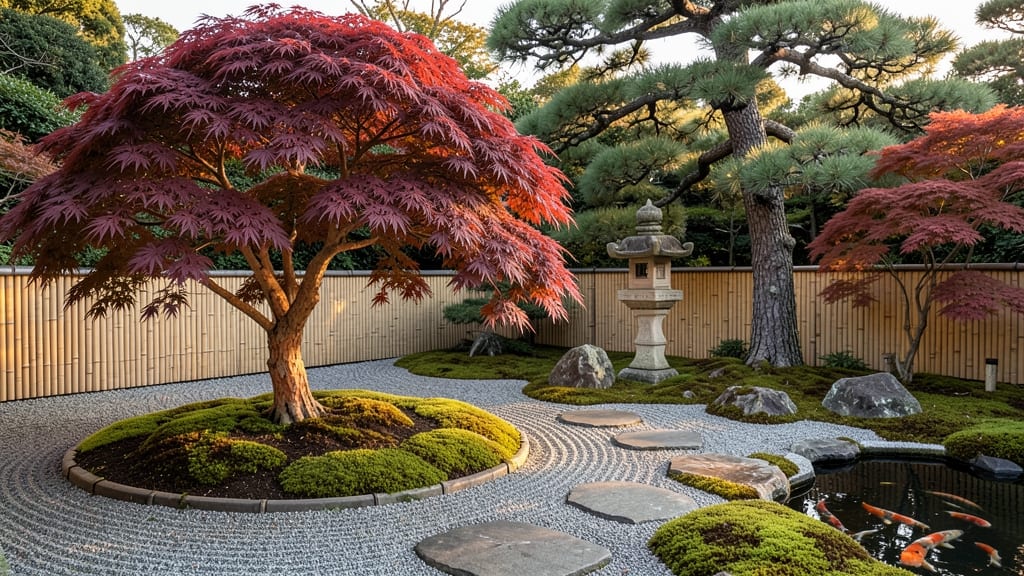
The James Irvine Japanese Garden exemplifies traditional Japanese design by integrating symbolic stone arrangements, flowing koi ponds, and seasonal plantings like maples and azaleas to create a tranquil space rooted in Zen philosophy.
The James Irvine Japanese Garden isn't just a landscape—it's a living meditation on harmony between nature and human intention. 🌿 Each element, from the carefully placed stones to the winding water features, serves a purpose beyond aesthetics, reflecting core Japanese principles like wabi-sabi (imperfect beauty) and ma (the space between objects).
The garden's design encourages visitors to slow down, notice details, and connect with the natural world in a way that feels both intentional and effortless. This approach makes it a perfect model for anyone wanting to bring Japanese garden philosophy into their own outdoor spaces.
What makes Irvine's garden particularly special is how it balances structure with spontaneity. The stone arrangements aren't just decorative—they often represent mountains or islands, while the water features create a sense of flow and renewal. The plant selections change with the seasons, ensuring the garden remains dynamic yet always harmonious.
For home gardeners, this means focusing on native plants that thrive locally while maintaining a thoughtful layout that guides the eye through the space.
💡 In This Article
- Core Japanese Garden Design Elements in James Irvine’s Masterpiece
- Plants and Landscaping Secrets for Recreating Irvine’s Vision
Core Japanese garden design elements in james Irvine’s masterpiece
The James Irvine Japanese Garden's stones aren't merely decorative—they're carefully positioned to evoke deep symbolic meanings. Take the ishizuki (leaning stones), which represent mountains or islands, often placed to frame views or create focal points.
These stones are typically arranged in odd numbers (1, 3, or 5) because even numbers were considered unlucky in traditional Japanese aesthetics. The karesansui (dry landscape) technique, seen in the raked gravel patterns, symbolizes water and islands through the interplay of empty space and carefully placed rocks.
This reflects the Japanese concept of ma—the intentional space between objects that creates harmony and balance.
The garden's water features, particularly the koi ponds, serve as the heart of the space, embodying the Japanese principle of mizu-no-ie ("water as a house"). Water in Japanese gardens isn't just decorative—it represents purity, life, and the flow of time.
The winding paths around the ponds guide visitors through a contemplative journey, mimicking the natural meandering of rivers. The koi themselves are carefully selected for their symbolic meanings: black koi represent strength and perseverance, while white koi symbolize purity and good fortune.
The garden's water features are designed to create soothing sounds, with the gentle movement of water over rocks producing a waterfall rhythm that enhances the meditative experience.
Seasonal plant cycles, or shiki, are fundamental to the garden's design. Irvine's masterpiece features plants that change dramatically with each season, creating a living calendar of natural beauty. In spring, vibrant azaleas and cherry blossoms burst into color, while summer brings lush hostas and hydrangeas.
Autumn transforms the garden with fiery maple leaves, and winter reveals the skeletal beauty of bamboo and pine trees. This seasonal rotation ensures the garden remains dynamic yet always harmonious, reflecting the Japanese appreciation for impermanence and the beauty of natural cycles.
The concept of wabi-sabi permeates every element, celebrating the beauty of imperfection, asymmetry, and transience. The weathered appearance of some stones, the irregular shapes of natural rocks, and the organic growth patterns of plants all embody this aesthetic.
This philosophy extends to maintenance practices—rather than striving for perfection, the garden embraces the natural aging process, allowing moss to grow on rocks and leaves to decompose naturally. The negative space between elements creates a sense of tranquility, inviting visitors to pause and appreciate the quiet beauty of the garden.
One fascinating technical detail is how the garden's microclimates are carefully controlled. The strategic placement of evergreen trees like Japanese black pine creates windbreaks that protect delicate plants while allowing sunlight to filter through.
The soil composition varies by section—some areas have sandy loam for optimal drainage around the ponds, while others feature richer organic matter for plantings. These subtle variations create the perfect conditions for each plant species to thrive, demonstrating Irvine's deep understanding of ecosystem dynamics.
For visitors, the garden's design elements work together to create a multisensory experience.
The visual contrast between smooth stones and textured moss, the auditory symphony of water and wind through bamboo, the tactile sensation of cool stone surfaces, and the olfactory aromas of blooming flowers all combine to create a holistic connection with nature.
This thoughtful integration of all senses is what makes the James Irvine Japanese Garden such a profound and transformative space.