
Tools
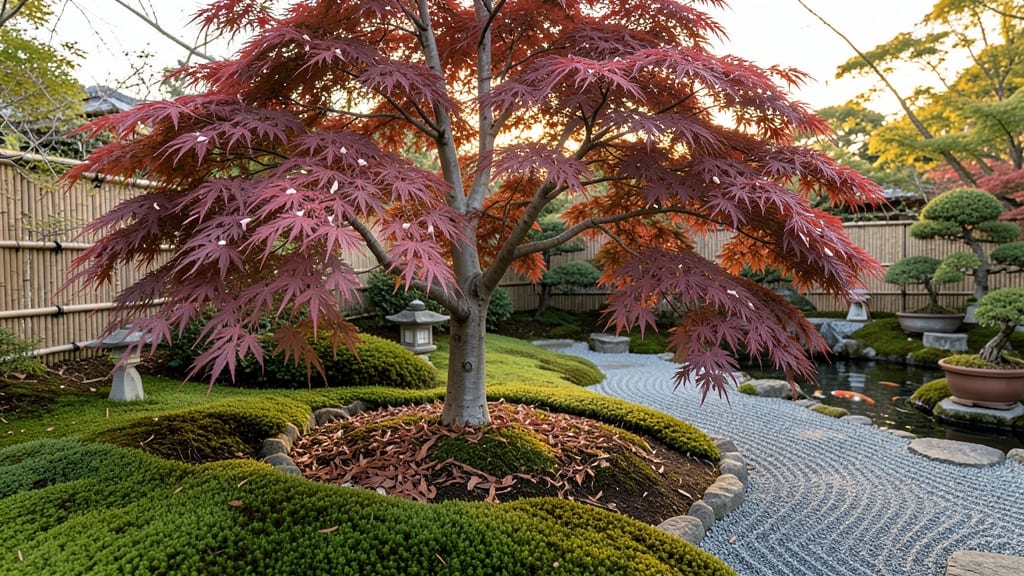
A Japanese garden in Los Angeles creates tranquil sanctuaries through meticulously crafted koi ponds, bamboo groves, and Zen rock formations, harmonizing traditional Japanese design with Southern California’s Mediterranean climate. Standout destinations include the Huntington Library’s Japanese Garden and Descanso Gardens’ serene retreat, each embodying cultural philosophies through intentional plant selections and water features.
Los Angeles's Japanese gardens stand out for their ability to merge ancient traditions with modern urban living. 🌿 These spaces often incorporate wabi-sabi principles—finding beauty in imperfection—while adapting to local conditions like drought-resistant California native plants.
Many visitors are surprised to learn how these gardens use seasonal displays, from cherry blossoms in spring to vibrant maple foliage in fall, creating ever-changing visual experiences throughout the year.
What makes LA's gardens particularly special is their accessibility—whether you're seeking a peaceful retreat or a cultural experience, these spaces offer something unique. The Huntington's garden, for instance, features a stunning tea house, while Descanso's includes a traditional bridge and lantern-lined paths that invite contemplation.
Many locations also host seasonal events like tea ceremonies, making them ideal for both solo reflection and group visits.
💡 In This Article
- Design Principles Behind LA’s Japanese Gardens
- Hidden Gems vs. Must-Visit Japanese Gardens in LA
Design principles behind LA’s Japanese gardens
The philosophy behind LA’s Japanese gardens revolves around wabi-sabi, a concept that celebrates imperfection and transience. This principle is visible in the natural, asymmetrical layouts where moss-covered stones and weathered wood create a sense of timelessness.
Unlike formal European gardens, Japanese designs prioritize simplicity and harmony with nature—often using irregularly shaped rocks and hand-placed plants to evoke tranquility. 🌿 The Huntington’s garden, for example, incorporates a 15-foot-tall torii gate at its entrance, symbolizing the transition from the mundane to the sacred, while Descanso’s garden uses a moon-viewing bridge to frame scenic vistas.
Climate adaptation plays a crucial role in these gardens’ design. Southern California’s dry Mediterranean climate demands drought-resistant plants like California buckeye and manzanita, which replace traditional moisture-loving species such as Japanese maples.
Gardeners also employ shakkei (borrowed scenery), a technique where distant views—like mountains or the Pacific Ocean—are integrated into the landscape to expand the perceived space. At Descanso, the garden’s lantern-lined paths guide visitors through borrowed vistas of the surrounding hills, creating a seamless blend of natural and cultivated beauty.
Seasonal plant cycles are meticulously planned to ensure year-round visual interest. Spring brings cherry blossoms (sakura) and azaleas, while summer features vibrant hydrangeas and wisteria. Fall transforms the gardens with fiery maple foliage, and winter offers the stark elegance of bare branches and moss.
The Huntington’s garden, for instance, includes 12 varieties of Japanese maples, each selected for its unique fall color palette—from deep reds to golden yellows. This attention to seasonal change ensures visitors always discover something new.
Water features are another cornerstone of Japanese garden design, symbolizing purity and the flow of life. Koi ponds, like the one at Descanso, are stocked with Nishikigoi koi—colorful varieties bred for their vibrant scales—which add movement and life to the still landscape.
The sound of water cascading over rocks in a stream or waterfall creates a meditative atmosphere, while the reflection of cherry blossoms on the pond’s surface enhances the garden’s serene beauty. These elements work together to evoke a sense of peace that transcends cultural boundaries.
One lesser-known adaptation is the use of California native plants alongside traditional Japanese species. Gardens like the Japanese Tea Garden at Self-Realization Fellowship incorporate toyons (California holly) and ceanothus, which thrive in LA’s climate while complementing the garden’s aesthetic.
This fusion of old and new ensures the gardens remain both authentic and sustainable, proving that traditional Japanese design can flourish in unexpected places. 🌸