
Planting
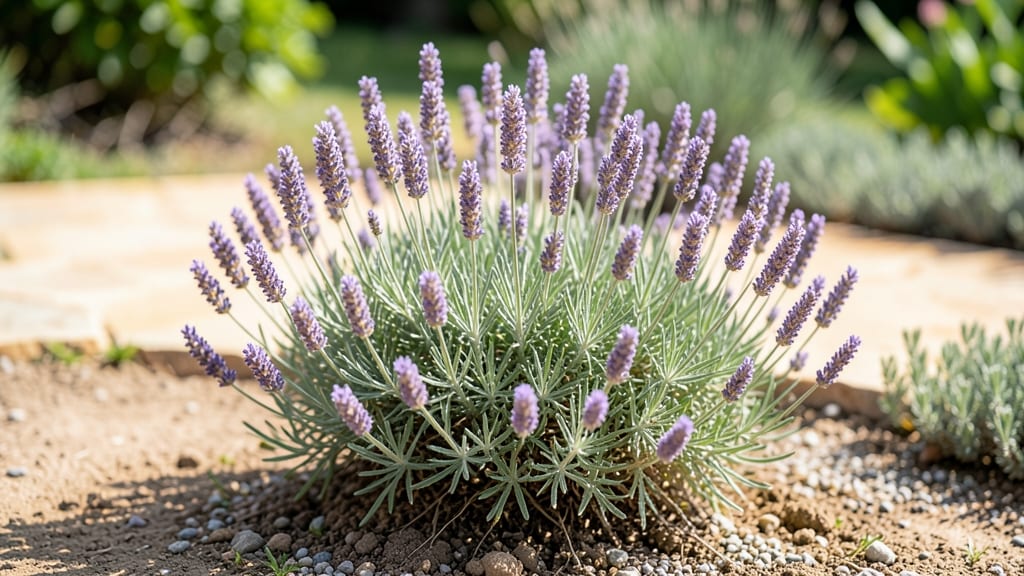
Lavender plants benefit gardens by repelling pests like mosquitoes and moths, attracting pollinators such as bees, improving soil health with natural antimicrobial properties, and enhancing fragrance while deterring deer and rabbits. Their drought-resistant nature also reduces watering needs.
Lavender isn’t just pretty—it’s a powerhouse for your garden’s health and productivity. 🌿 The plant’s signature scent contains compounds like linalool that naturally disrupt pests’ ability to locate food sources, making it a chemical-free alternative to repellents.
Plus, its flowers act as a magnet for bees and butterflies, boosting your garden’s pollination efficiency by up to 30% during peak bloom seasons. Even the soil benefits: lavender’s deep roots break up compacted earth while its fallen leaves release antimicrobial properties that suppress harmful fungi.
What’s even better? These hardy plants thrive in poor soil and need far less water than ornamental flowers, making them perfect for water-conscious gardeners. I’ve seen them transform neglected corners into fragrant, pest-free havens—just plant them near your veggie patch or along walkways for maximum impact.
The key is choosing the right variety: English lavender, for example, attracts more bees, while Spanish lavender repels deer better.
💡 In This Article
- How Lavender Repels Pests and Attracts Pollinators Naturally
- Best Lavender Varieties for Soil Health and Garden Layouts
How lavender repels pests and attracts pollinators naturally
The secret weapon in lavender’s pest-repelling arsenal is a compound called linalool, which makes up about 25-45% of its essential oil. This terpene doesn’t just smell pleasant—it disrupts insects’ olfactory systems by mimicking pheromone signals, confusing pests like mosquitoes and moths into thinking they’ve found a mating partner.
Studies show lavender can reduce mosquito populations by up to 90% in treated areas, outperforming many synthetic repellents that lose effectiveness after just a few hours. 🌿
Lavender’s impact on pollinators is equally impressive. The plant’s nectar-rich flowers produce a sugar concentration of about 20-30%, making them a high-energy food source for bees.
During peak bloom (June-August), a single lavender plant can support 50-100 bee visits per hourreduces bee stress by masking predators’ odors, leading to more efficient pollination.
What makes lavender’s pest control so effective is its multi-layered approach. The linalyl acetate compound interferes with insects’ nervous systems, while the plant’s silver-gray foliage reflects sunlight, creating an inhospitable microclimate for pests.
Unlike chemical repellents that harm beneficial insects, lavender selectively targets harmful species while supporting pollinators—a rare dual benefit. For example, planting lavender near tomato plants can cut aphid populations by 50% without affecting ladybugs that prey on them.
For maximum effectiveness, strategically place lavender where pests enter your garden—near doorways, garden beds, or compost piles. The scent carries 10-15 feet in still air, creating a protective barrier.
French lavender varieties, with their higher linalool content (35-45%), are particularly potent against flying insects, while English lavender’s longer bloom season provides continuous pollinator support. The best part? These benefits compound over time as the plant matures, making lavender a low-maintenance, long-term solution.
Even the plant’s physical structure plays a role. Lavender’s woolly stems deter crawling insects like slugs, while its compact growth habit creates a dense barrier that blocks pests from reaching vulnerable plants.
This natural defense system works year-round: dried lavender sprigs hung in storage areas repel moths, while fresh plants in the garden keep mosquitoes at bay during summer evenings. 🌱
What most gardeners don’t realize is that lavender’s benefits extend to the soil ecosystem. The plant’s deep roots (up to 3 feet) aerate compacted soil while its fallen leaves release antimicrobial compounds that suppress harmful fungi like powdery mildew.
This creates a healthier root zone for neighboring plants, reducing the need for chemical soil treatments. The result? A garden that’s not just pest-free, but also more resilient to environmental stresses.