
Blooming
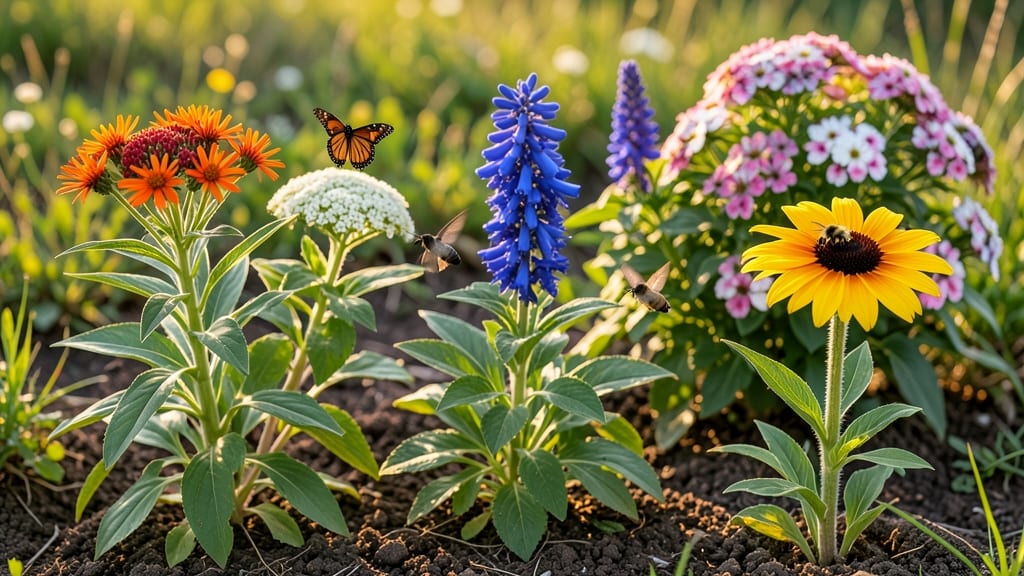
Long Island gardening zones range from 7b to 8a, with Suffolk and Nassau counties showing distinct microclimates that affect planting schedules. Coastal areas like Southold fit Zone 8a, while inland spots near Central Islip align with Zone 7b, shaping when to plant and harvest seasonal crops.
These zone differences matter because coastal areas experience milder winters and longer growing seasons, while inland regions face earlier frosts.
For example, peppers thrive in Zone 8a's extended warmth, but Zone 7b gardeners should opt for faster-maturing varieties. 🌱 I always check the USDA Plant Hardiness Map for my specific address—it's the best way to pinpoint exact frost dates and avoid planting too early or late.
Suffolk County's sandy soils drain quickly but need regular watering, while Nassau's loamier areas retain moisture better. This affects everything from irrigation schedules to mulch choices.
The key is matching your soil type to your zone—coastal gardeners can push the season later, while inland gardeners should focus on cold-hardy crops like kale or winter radishes.
💡 In This Article
- Understanding Long Island’s Microclimates and Plant Hardiness Zones
- Best Seasonal Crops for Long Island’s Gardening Zones
Understanding long Island’s microclimates and plant hardiness zones
Long Island’s gardening zones—ranging from 7b to 8a—are shaped by coastal winds, elevation shifts, and soil composition that create distinct microclimates. The 10°F temperature difference between Zone 7b (average minimum -5°F) and Zone 8a (average minimum 10°F) directly impacts frost dates.
Coastal areas like Southold experience milder winters due to ocean currents moderating temperatures, while inland regions near Central Islip face earlier frost risks. This 5-7 day difference in frost-free periods means coastal gardeners can plant tomatoes 2-3 weeks earlier than inland growers. 🌊
The USDA Zone Map accounts for these variations by averaging the coldest winter temperatures over 30 years, but local factors like elevation and wind exposure create even finer distinctions.
For example, Nassau County’s loamier soils retain heat longer than Suffolk’s sandy coastal areas, which dry out faster and cool quicker at night. This is why Suffolk gardeners often need to mulch more heavily to protect roots, while Nassau’s moisture-rich soil supports deeper-rooted crops like asparagus with less supplemental watering.
The growing degree days—a measure of heat accumulation—also vary, with coastal areas accumulating 100-150 more degree days annually than inland spots.
To leverage these microclimates, start by identifying your exact zone using the USDA Interactive Map, then adjust planting schedules by 1-2 weeks based on proximity to water.
Coastal gardeners can extend seasons by planting heat-loving crops like okra or sweet potatoes later, while inland gardeners should prioritize cold-hardy varieties like kale or spinach for early spring.
The last frost date in Zone 8a (typically April 15) allows for earlier tomato transplants, whereas Zone 7b gardeners should wait until May 1 to avoid frost damage. 🌱
Soil type plays a critical role in temperature regulation. Sandy soils in Suffolk drain quickly but heat up faster in spring, creating a 5°F warmer microclimate near the surface compared to loamy Nassau soils.
This means Suffolk gardeners can start warm-season crops like peppers 10 days earlier, but must monitor moisture levels closely. Conversely, Nassau’s moisture-retentive soil buffers temperature swings, making it ideal for crops sensitive to drought or heat stress, like cucumbers or melons.
Understanding these nuances lets you tailor irrigation, mulching, and crop selection to your specific conditions.
One often-overlooked factor is the wind chill effect near the coast, where breezes can drop perceived temperatures by 3-5°F, delaying spring planting. To counteract this, use row covers or cold frames for early starts, especially in Zone 7b areas.
Coastal gardeners also benefit from reflective mulches, like aluminum foil, which can raise soil temperatures by 5-7°F in early spring. These techniques help bridge the gap between zone-based guidelines and real-world growing conditions. 💡
For precise planning, track your local frost dates over 3-5 years—they can shift due to climate patterns.
For instance, 2021’s unusually warm winter in Zone 7b allowed gardeners to plant squash 3 weeks early, while 2022’s late spring frost set back tomato plantings by 2 weeks in Zone 8a. By combining USDA zone data with local observations, you’ll refine your planting schedule for maximum success.
The goal isn’t just to follow the zone—it’s to work with your microclimate’s unique advantages.