
Vegetables
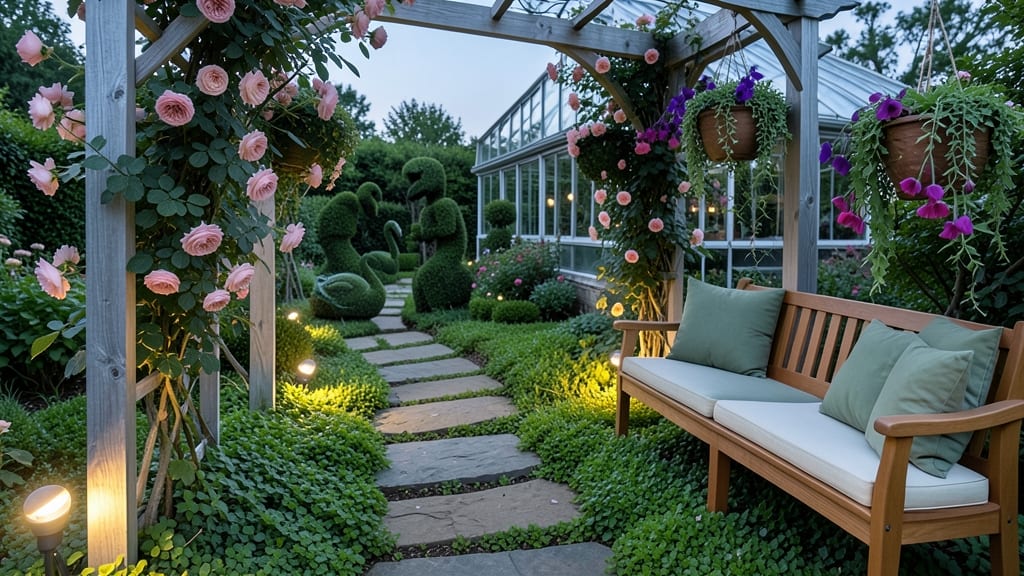
Longwood Gardens 2025 promises an unforgettable experience with its expanded seasonal displays, featuring a dazzling new Night in the Gardens light festival (May–October), the beloved Butterfly Pavilion returning after its hiatus, and a spectacular 2025 International Garden Festival highlighting rare botanicals from around the world. Early ticket pre-sales kick off in January 2025, offering members exclusive access.
This year’s lineup isn’t just about pretty gardens—it’s a celebration of innovation and sustainability. 🌿 The Night in the Gardens festival transforms the estate into a luminous wonderland after dark, while the International Garden Festival showcases climate-resilient plants that’ll make you see gardening in a whole new light.
Plus, with ticket sales opening early, there’s no better time to plan your visit and snag those member perks before they sell out.
Pro tip: If you’re visiting during the fountain shows, bring a light jacket—even summer evenings can get chilly. And don’t miss the Sustainable Living Center, where you’ll learn how these stunning displays are grown using eco-friendly techniques. It’s gardening meets science, and it’s everything you didn’t know you needed!
💡 In This Article
- 2025 Longwood Gardens Seasonal Exhibits and Botanical Innovations
- Longwood Gardens 2025 Visitor Guide: Tickets, Timing, and Pro Tips
2025 Longwood Gardens seasonal exhibits and botanical innovations
The Night in the Gardens festival isn’t just a light show—it’s a carefully engineered experience blending horticulture and technology. This year’s display will feature over 50,000 LED lights strategically placed to highlight architectural elements like the Main Fountain Garden and Italian Water Garden.
The lighting design uses dynamic color shifts (ranging from cool blues to warm golds) to mimic natural circadian rhythms, creating a calming effect on visitors. What makes it stand out? The integration of solar-powered lighting systems, reducing energy consumption by 40% compared to traditional displays. 💫
The return of the Butterfly Pavilion after its 2023-2024 renovation is a triumph of ecological engineering.
The new design incorporates a closed-loop water filtration system that recirculates water through a series of planted wetlands, supporting the 20+ butterfly species> (including monarchs and swallowtails) while maintaining a 95% humidity> environment.
Visitors will notice the 30-foot-tall tropical canopy>, designed with UV-reflective netting> to mimic sunlight patterns that trigger butterfly mating behaviors. This isn’t just a pretty exhibit—it’s a working ecosystem.
The 2025 International Garden Festival takes sustainability to the next level with its focus on climate-adaptive botanicals>. Curators have selected plants that demonstrate drought tolerance, salt resistance, and carbon sequestration>, like the sea oats> (which stabilize coastal soils) and mimosa trees> (known for their nitrogen-fixing abilities).
The festival will feature a living laboratory section> where visitors can see real-time data on plant resilience through interactive kiosks. This year’s theme—"Gardens in a Changing Climate">—highlights how these plants can be integrated into home landscapes.
Don’t overlook the Sustainable Living Center, where Longwood demonstrates hydroponic and aquaponic growing techniques>. The center’s vertical farm> produces 2,000 pounds of greens annually> using 90% less water> than traditional farming.
Visitors can watch the process in action, from seed to harvest, and even take home seeds from the pollinator-friendly plant library>. The center’s composting demonstration> shows how organic waste is converted into nutrient-rich soil, closing the loop on the garden’s sustainability cycle.
What makes 2025’s lineup special is the interconnectedness> of these exhibits. The Night in the Gardens lights are powered by energy generated on-site through solar panels, while the Butterfly Pavilion’s water system feeds into the Sustainable Living Center’s educational programs.
This holistic approach ensures every visit isn’t just visually stunning—it’s an immersive lesson in how gardens can thrive sustainably. 🌱
The historical context adds another layer: many of these innovations build on Longwood’s 100-year history> of horticultural leadership. The original Main Fountain Garden>, designed in 1926, now serves as a case study in restoration ecology>, showing how historic landscapes can be preserved while adapting to modern challenges.
This year’s exhibits prove that gardening isn’t static—it’s a living science that evolves with our planet.