
Flowers
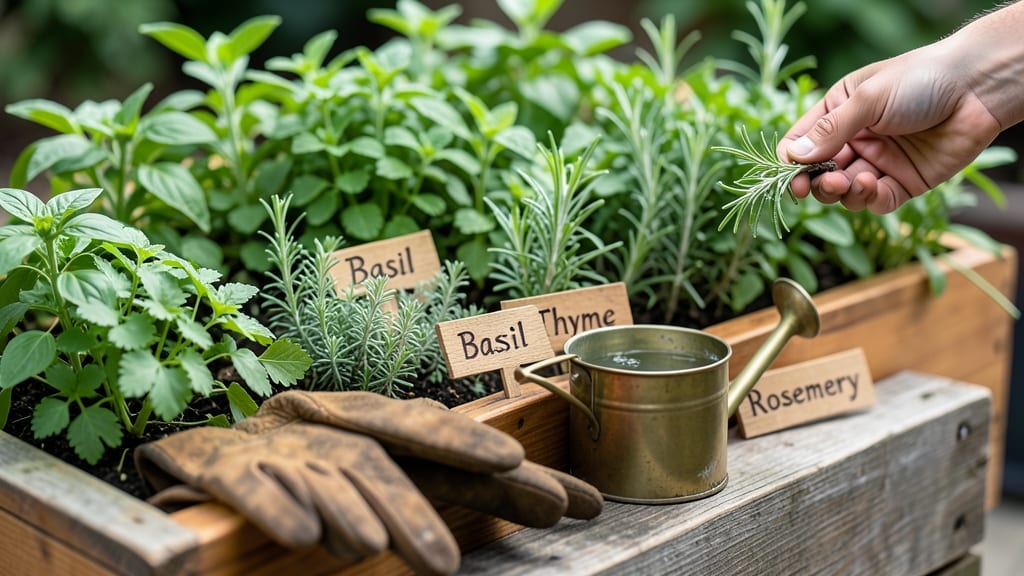
Many gardeners believe that certain edible herbs like parsley, chives, and mint can be toxic when eaten raw due to oxalates, essential oils, or natural compounds that irritate digestion or cause allergic reactions. Cooking often neutralizes these risks by breaking down harmful elements.
Some of these herbs contain compounds that cause mild to moderate digestive upset when consumed in their raw form.
For example, parsley's oxalic acid can lead to kidney stones in susceptible individuals, while mint's volatile oils may trigger allergic reactions in sensitive people. Cooking transforms these compounds, making them safer to consume. 🌿 I've found that even a quick sauté can significantly reduce risks, though some herbs still require longer cooking times to fully neutralize their potential harm.
Understanding which herbs fall into this category—and how to prepare them safely—can help gardeners enjoy their homegrown bounty without worry. The key is recognizing that while these herbs are edible, their raw forms often require special handling to avoid unpleasant side effects.
💡 In This Article
- Toxic Compounds in Raw Edible Herbs: Science Behind the Risks
- Safe Cooking Methods to Neutralize Herb Toxicity
Toxic compounds in raw edible herbs: science behind the risks
Many herbs contain natural compounds that become problematic when consumed raw. For instance, parsley contains oxalic acid, which can contribute to kidney stones in individuals prone to them. This compound binds with calcium in the body, forming crystals that may lead to discomfort or health issues.
The average parsley stalk contains about 750-1,000 mg of oxalates per 100 grams, making it a high-risk herb when eaten raw in large quantities.
Another concern is volatile oils found in herbs like mint and oregano. These oils, which give herbs their distinctive aromas, can irritate the digestive tract and even trigger allergic reactions in sensitive individuals.
For example, peppermint's menthol content can cause heartburn or nausea when consumed in large amounts raw. 🌿 The body processes these compounds differently when cooked, often breaking them down into less harmful substances.
Raw mustard greens contain glucosinolates, which convert into thiocyanates when digested. These compounds can interfere with thyroid function in high doses, though cooking significantly reduces their potency.
The key is understanding that these compounds aren't inherently "toxic" in small amounts but can cause issues when consumed raw in large quantities or by sensitive individuals.
Cooking transforms these compounds through a process called denaturation. Heat breaks down complex molecules, making them easier for the body to process. For example, boiling parsley for just 5 minutes can reduce its oxalate content by up to 30%.
Similarly, sautéing mint in olive oil for 3-4 minutes at medium-high heat helps neutralize its volatile oils, making it safer for digestion.
Some herbs, like chives, contain allicin, a compound similar to that found in garlic. While beneficial in small amounts, raw chives can cause digestive upset in sensitive individuals. The good news is that cooking chives for 2-3 minutes significantly reduces their pungency and potential irritants.
This transformation makes them a safer addition to cooked dishes like soups or sauces.
The body's ability to process these compounds varies widely. Factors like age, overall health, and individual sensitivity play a role in how someone reacts to raw herbs. For example, children or individuals with compromised kidney function may experience more severe reactions to oxalate-rich herbs like spinach or parsley.
Understanding these nuances helps gardeners make informed choices about herb preparation.
What most people don't realize is that some herbs can be safely consumed raw in moderation. For instance, basil and cilantro are generally safe raw, though even they contain compounds that may cause mild reactions in sensitive individuals.
The key is balance—enjoying herbs in their raw form occasionally while relying on cooking methods for more concentrated or high-risk varieties. 💫