
Advice
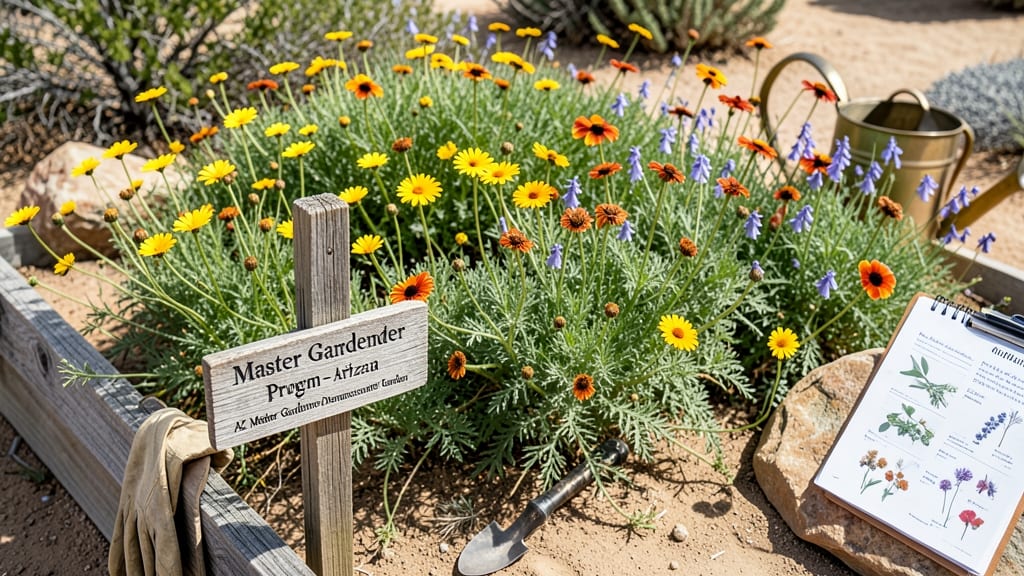
The Arizona Master Gardener Program trains volunteers to support sustainable gardening through 40-60 hours of research-based horticulture education, hands-on practice, and community service. Applicants must pass a background check and pay a fee, with programs offered statewide through University of Arizona Cooperative Extension offices.
This program is designed specifically for Arizona's unique climate and gardening challenges, covering everything from desert landscaping to water conservation techniques. 🌵 The curriculum blends online learning with hands-on labs, ensuring volunteers gain practical skills they can immediately apply in their communities.
Whether you're interested in teaching youth gardening or helping with plant clinics, this program provides the tools to make a real difference in local green spaces.
What sets Arizona's program apart is its focus on region-specific solutions—like managing invasive species or selecting drought-resistant plants. Many graduates go on to volunteer with community gardens, food desert initiatives, or even urban greening projects.
The best part? You don't need prior gardening experience to join—just a passion for learning and helping others grow!
💡 In This Article
- How Arizona’s Master Gardener Training Curriculum Works
- Volunteer Roles and Impact of Arizona Master Gardeners
How Arizona’s Master Gardener training curriculum works
The Arizona Master Gardener Program curriculum is carefully designed to address the state's specific gardening challenges, blending science with hands-on application.
You'll dive into 12 core modules covering topics like desert plant selection, soil health in arid climates, and integrated pest management—all taught through a mix of online lectures and in-person labs.
For example, the soil science module includes field tests where you analyze local soil samples for pH, texture, and nutrient content, using tools like the squeeze test to determine clay content or the jar test to observe soil stratification.
What makes this program stand out is its focus on region-specific solutions. You'll learn about drought-tolerant plants like palo verde or desert marigold, which thrive in 100°F+ temperatures with minimal water, and how to create xeriscapes that reduce water use by up to 60% compared to traditional lawns.
The curriculum also emphasizes identifying and managing invasive species, such as buffelgrass or Russian olive, which can disrupt native ecosystems. Labs often include hands-on activities like dissecting plant structures or diagnosing common diseases like powdery mildew on citrus trees.
The training balances theory with practical skills you can immediately use. For instance, the water conservation techniques module teaches how to calculate evapotranspiration rates for different plants, helping you design irrigation systems that waste less water.
You'll also learn to use tools like moisture meters to check soil hydration levels, ensuring plants get just the right amount of water—critical in Arizona's dry climate. 🌵 The program even covers how to compost effectively in hot weather, where organic matter can break down 2-3 times faster than in cooler regions.
One unique aspect is the emphasis on community impact. Throughout the training, you'll work on real projects, such as designing demonstration gardens for schools or teaching workshops at local farmers' markets.
The curriculum includes a service-learning component, where you apply what you've learned to help others—whether it's advising homeowners on sustainable landscaping or assisting in urban farming initiatives. This hands-on approach ensures you're not just memorizing facts but actively contributing to Arizona's green spaces.
The program also prepares you for Arizona's specific gardening challenges, like dealing with scalding temperatures that can stress plants or managing soil salinity in some areas.
You'll learn how to amend soil with organic matter to improve drainage and fertility, and how to select plants that can tolerate the intense sunlight and occasional monsoon rains.
For example, the pest management module covers natural predators for common garden pests, like ladybugs for aphids, reducing the need for chemical interventions.
Finally, the curriculum includes a mentorship component, where experienced Master Gardeners guide you through your projects. This support system is invaluable, especially when tackling complex issues like restoring a degraded landscape or teaching a workshop.
By the end of the program, you'll have the confidence and skills to make a real difference in your community—whether you're helping a neighbor choose the right plants for their yard or leading a youth gardening program. 🌱