
Companion Plants
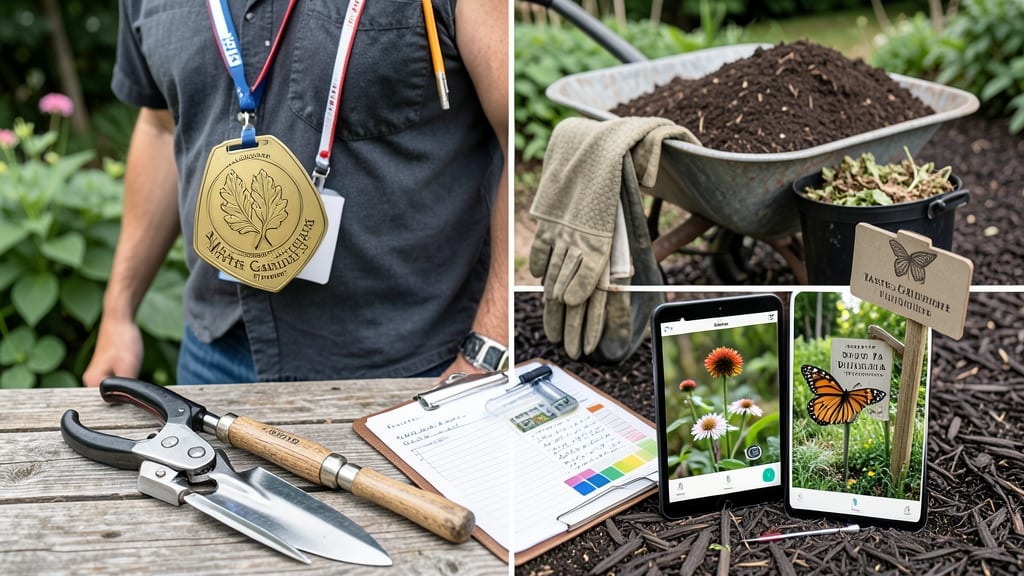
Pennsylvania’s Master Gardener Program trains volunteers through a rigorous 120-hour course covering botany, pest management, and sustainable gardening practices, requiring participants to demonstrate both a passion for horticulture and a commitment to community service.
This program, offered through Penn State Extension, transforms gardening enthusiasts into knowledgeable volunteers who can tackle real-world horticultural challenges. 🌱 The curriculum goes beyond theory—it includes hands-on labs, field trips, and research-based techniques that prepare graduates to advise home gardeners, diagnose plant problems, and promote eco-friendly gardening.
What sets it apart is the emphasis on practical application, ensuring you’re not just learning facts but developing skills you can use immediately in your own garden or community projects.
Once certified, graduates join a network of over 1,000 Master Gardeners across Pennsylvania who provide free plant advice to local residents, conduct school programs, and support urban agriculture initiatives.
The program’s structure—with county-specific variations—means you’ll work alongside fellow gardeners in your area, creating lasting connections while making a tangible difference in your community.
💡 In This Article
- Pennsylvania Master Gardener Training Curriculum Breakdown
- How to Apply for Pennsylvania’s Master Gardener Program
Pennsylvania Master Gardener training curriculum breakdown
The curriculum is meticulously designed to balance theory with hands-on experience, covering 12 core topics over 120 hours of instruction. You’ll dive into botany fundamentals, learning how plant cells function at a microscopic level—think chloroplasts capturing sunlight or root systems absorbing water through osmosis.
Soil science gets equal attention, where you’ll analyze textures (sandy vs. clay) and test pH levels using lab equipment, understanding how 6.0-7.0 pH is ideal for most vegetables but too alkaline for blueberries.
What makes this program stand out is its integrated pest management (IPM) module, where you’ll dissect insect life cycles and identify beneficial predators like ladybugs.
The labs include microscope work to observe spider mites up close and field trips to Penn State’s research farms, where you’ll see real-world applications of what you’ve learned. 🌿 The final exam tests your ability to diagnose plant diseases—like distinguishing fungal spots from bacterial blights—using a 200-question multiple-choice test and a practical case study.
Sustainable landscaping is another pillar, teaching you to design water-efficient gardens using native plants that require 30-50% less irrigation than non-native species. You’ll calculate water needs using the blending index method and learn how mulch reduces soil temperature swings by 10-15°F.
The curriculum even covers pollinator gardens, where you’ll plant milkweed for monarchs and bee balm for native bees—skills you can immediately apply to your backyard.
Each county may add 5-10 hours of local content, such as regional pest profiles or urban gardening techniques. For example, Philadelphia’s program includes vertical gardening workshops for small spaces, while rural counties focus on large-scale vegetable production.
The program’s alignment with Penn State Extension ensures all content is research-backed, meaning you’re learning from the same sources used by professional agronomists.
Here’s what a typical week looks like: Monday evenings for classroom lectures, Saturday mornings for lab work, and one full-day field trip per month.
The hands-on components—like propagating plants from cuttings or calibrating soil moisture sensors—ensure you’re not just memorizing facts but developing real-world horticultural skills. 🌱 The program even provides a Master Gardener manual with 800+ pages of references, which becomes your go-to resource after certification.
The curriculum’s structure reflects Penn State’s commitment to evidence-based gardening. When you graduate, you’ll have the tools to advise homeowners on everything from compost tea applications to tree pruning techniques, all while promoting eco-friendly practices that reduce chemical runoff by up to 40%.
This isn’t just a course—it’s a transformation into a community resource.