
Tools
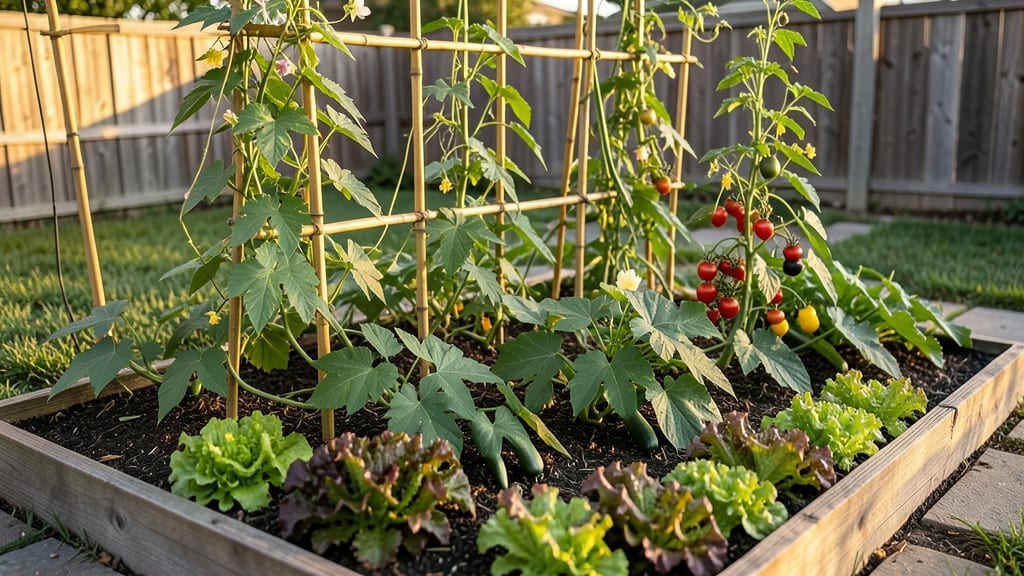
When my mother kept a garden, preserving her heirloom seeds meant harvesting fully mature plants, drying seeds thoroughly in paper bags, and storing them in airtight containers with silica gel in a cool, dark place. Label each variety clearly to maintain her legacy’s botanical diversity.
Keeping your mother's garden alive through heirloom seeds is about more than just saving plants—it's about honoring the stories and flavors tied to each variety. 🌱 The key is timing: harvest seeds only when pods are completely dry and beginning to crack open, as premature harvesting reduces viability.
Paper bags work best for airflow during drying, while cloth sacks can trap moisture. Once seeds are bone-dry, transfer them to containers with silica gel packets to absorb any lingering dampness—this simple step can extend seed life from years to decades.
What many gardeners overlook is the importance of testing seed viability annually. A simple paper towel test (moistening seeds between damp paper towels for a few days) reveals which seeds will sprout. Store containers in a consistent 40-50°F environment—basements or refrigerators work well—while avoiding humidity fluctuations that can trigger mold.
The labels you add today won't just identify varieties; they'll become a living record of your mother's gardening wisdom passed down through generations.
💡 In This Article
- Proper Seed Harvesting and Drying Techniques
- Long-Term Storage Solutions for Heirloom Seed Preservation
Proper seed harvesting and drying techniques
Harvesting heirloom seeds at the right moment ensures maximum viability and preserves your mother's garden legacy. Look for seed pods that have fully matured—they'll turn from green to their final color (often brown or tan) and begin to split open naturally.
For example, tomato seeds should come from completely ripened fruit that's turned red or yellow, while beans will rattle inside their pods when ready. 🌿 Harvesting too early means seeds won't have developed proper moisture resistance, while waiting too long risks them scattering or being damaged by pests.
The drying process is critical because seeds must reach a moisture content below 10% to prevent mold and maintain longevity. Paper bags are ideal for this stage because they allow airflow while preventing light exposure, which can degrade seed quality.
Place the bags in a warm, dry location (70-80°F) away from direct sunlight—attics or well-ventilated rooms work well. For heirloom varieties like heirloom tomatoes or peppers, this typically takes 1-3 weeks, depending on humidity levels.
You'll know seeds are ready when they're hard and dry to the touch, with no moisture visible when you gently crush them between your fingers.
What most gardeners miss is testing seed viability before storage. A simple paper towel test works wonders: place a sample of seeds between damp paper towels in a sealed container, then check for sprouting after 5-7 days. If 80% or more of seeds sprout, they're viable for planting.
This step saves you from wasting seeds that might not germinate after years in storage. For varieties like heirloom beans or lettuce, which have shorter natural lifespans, this test becomes even more critical to ensure you're preserving only the best genetic material from your mother's garden.
Different seed types require slightly varied approaches. For example, tomato seeds need fermentation (soaking in water for 2-3 days) to remove gel-like coatings that inhibit germination, while flower seeds like marigolds should be dried whole without any processing.
The key is understanding each plant's unique biology—what worked for your mother's zucchini might differ from her heirloom roses. Always separate seeds by variety in labeled paper bags during drying to prevent cross-contamination, which could mix genetics and alter the plants' characteristics over time.
One common mistake is rushing the drying process by using heat sources like ovens or heaters. While it might seem efficient, temperatures above 90°F can damage seed enzymes and reduce viability. Instead, rely on natural airflow and patience.
The slow, controlled drying method mimics what happens naturally in the wild, preserving the seeds' natural dormancy mechanisms. This careful approach ensures that when you finally plant these seeds next spring, they'll grow into plants that truly honor your mother's garden vision.