
Tools
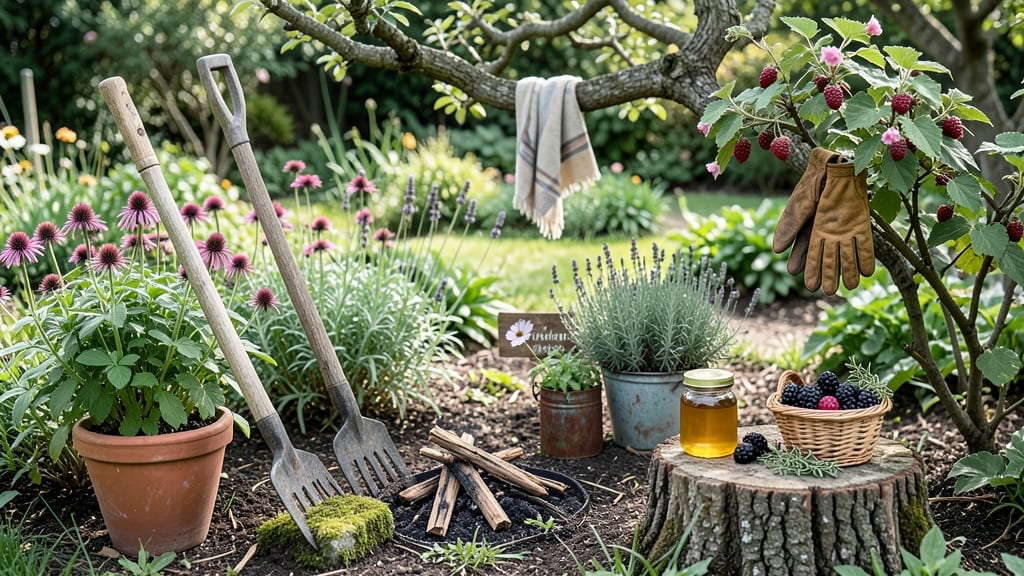
The Naked Gardening Club offers a monthly subscription service delivering heirloom, non-GMO, and organic seed packets—including rare varieties—paired with climate-specific growing guides to help you cultivate unique, pesticide-free edible and ornamental plants.
The Naked Gardening Club stands out by prioritizing biodiversity and sustainability, sourcing seeds that preserve genetic diversity while avoiding GMOs. 🌱 Each subscription includes tailored instructions for your region, ensuring higher success rates even for beginners.
What sets it apart is the focus on heirloom varieties—many of which offer superior flavor and resilience compared to conventional hybrids. The club's approach makes gardening accessible while supporting ecological health through organic practices.
For new gardeners, their seed selection often includes easy-to-grow options like microgreens, herbs, and flowers that thrive in small spaces. The included guides break down planting schedules, sunlight needs, and companion planting tips to maximize yields—perfect for urban balconies or small yards. 💫
💡 In This Article
- How the Naked Gardening Club’s Seed Selection Process Works
- Best Beginner-Friendly Crops from Naked Gardening Club Seed Packets
How the naked gardening club’s seed selection process works
The Naked Gardening Club prioritizes heirloom seeds because they preserve genetic diversity lost in commercial hybrids. These varieties often have stronger flavors, better disease resistance, and unique textures—like the deep purple hue of 'Black Krim' tomatoes or the nutty crunch of 'Amaranth' greens.
Their organic certification ensures seeds are free from synthetic chemicals, which improves both soil health and plant vitality over time.
Climate-specific growing guides are created using data from local agricultural extensions and member feedback. For example, their Pacific Northwest packets might include cold-hardy kale varieties with germination rates of 95% within 7-14 days, while Southern subscribers receive heat-tolerant okra seeds that thrive in 90°F+ temperatures.
The science behind this involves testing seed viability through moisture content analysis—seeds with 8-12% moisture typically germinate best.
What makes their selection process unique is the focus on "naked" seeds—meaning they're not coated with fungicides or other treatments. This raw approach requires careful storage (cool, dark, 35-40°F humidity) but rewards gardeners with purer genetic lines.
Beginners often see faster germination with heirloom seeds because they haven't been bred for shelf-life at the expense of vigor.
For sustainability, they source seeds from small farms and seed banks, reducing reliance on corporate seed monopolies. The club's biodiversity mission means you might grow a 19th-century 'Mammoth Melting' snow pea one month and a Peruvian 'Oca' tuber the next—both rare finds in conventional gardening.
This rotation also helps prevent soil depletion by diversifying plant families.
Germination rates vary by variety but typically range from 80-95% for properly stored seeds. The club's guides include "germination tests" where you plant 10 seeds to verify viability before full planting.
For example, their 'Red Malabar' spinach seeds often sprout within 5-7 days when kept at 70°F with consistent moisture—ideal for container growing.
Their selection process also considers pollinator benefits. Many varieties, like 'Moonflower' vine, attract bees and butterflies while producing edible blooms. This ecological approach means your garden becomes part of a larger food web, supporting local ecosystems through simple seed choices. 🌿