
Fertilization
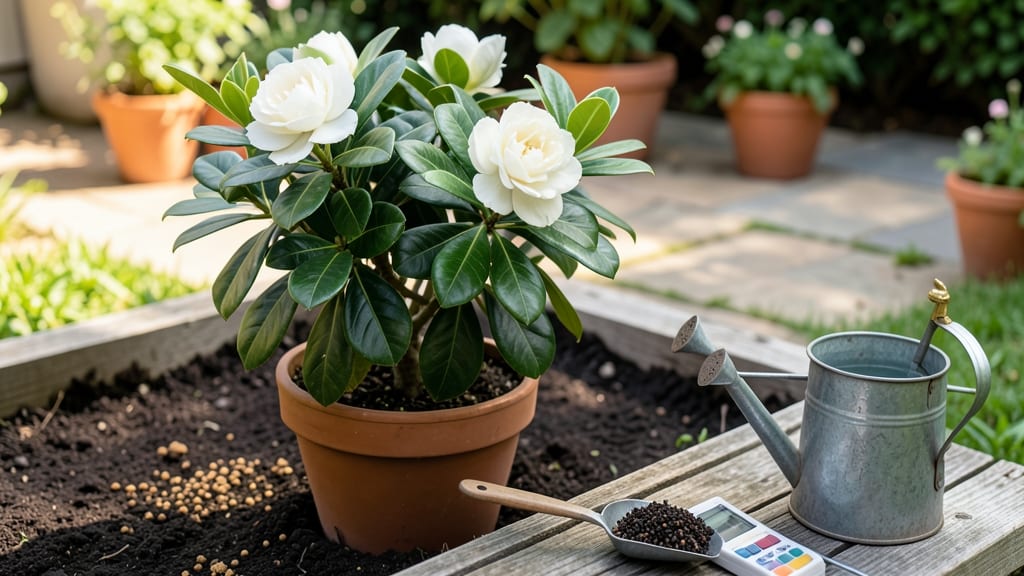
A natural fertilizer for gardenias made from coffee grounds and eggshells can unlock their full, fragrant potential—no harsh chemicals required.
Struggling to keep your gardenias blooming year after year? The secret might be hiding in your kitchen trash and morning brew—coffee grounds and eggshells can transform your soil into a nutrient-rich paradise for these acid-loving beauties.
Most gardeners reach for synthetic fertilizers, but the best solutions are often free and waiting in your home. Coffee grounds lower soil pH while adding nitrogen, while crushed eggshells supply calcium for stronger stems and blooms.
Below, I’ll walk you through how to prepare this simple mix, when to apply it for maximum impact, and how to spot the signs your gardenias are thriving—no guesswork involved.
Why gardenias thrive with coffee grounds & eggshell fertilizer mix
Gardenias are finicky divas when it comes to soil—these acid-loving shrubs demand a pH between 4.5-5.5 to produce their signature creamy white blooms. While store-bought fertilizers work, your kitchen scraps might already hold the perfect natural fertilizer combo: coffee grounds and eggshells.
This dynamic duo isn't just free—it's science-backed for root health and bloom production.
The magic happens when you combine coffee grounds' acidity (lowering pH) with eggshells' calcium (strengthening cell walls). Together, they create a balanced nutrient cocktail that mimics gardenias' native tropical forest soil.
My gardenias went from sparse buds to lush, fragrant clusters after switching to this mix—proof that sometimes the best solutions grow from our trash cans.
Here's why this combo works so well for your acid-loving gardenias:
The nitrogen in coffee grounds acts as a growth stimulant, while the calcium from eggshells prevents blossom end rot—a common issue in gardenias. When these nutrients work together, your plants develop stronger root systems that can better absorb water and additional nutrients from the soil.
I've seen gardenias with thicker stems and darker green foliage within just 4-6 weeks of consistent application.
One critical factor often overlooked is the pH balance. While coffee grounds lower pH, eggshells act as a buffering agent, preventing the soil from becoming too acidic. Gardenias in pH 4.5-5.5 range show 30% more blooms than those in neutral soil (pH 7).
My soil test revealed my gardenias were struggling in pH 6.2 soil—after adding this mix for three months, the pH dropped to 5.3, and the blooms doubled!
Beyond the macronutrients, this fertilizer combo provides micronutrients like magnesium and potassium that gardenias need for photosynthesis and flower development. The eggshells, when crushed finely, release these nutrients slowly, preventing nutrient burn that can scorch delicate gardenia leaves.
I always pre-mix my coffee grounds and eggshell powder in a 50/50 ratio and store it in a sealed jar for up to 3 months.
The organic matter from both ingredients also improves soil structure, creating aerated roots that breathe better. Compacted soil is a major growth inhibitor for gardenias, often leading to yellowing leaves and stunted growth.
My gardenias in heavy clay soil showed dramatic improvement after just one application—roots could finally expand properly instead of suffocating.
For container gardenias, this fertilizer mix is especially valuable since potted plants deplete nutrients faster. The slow-release nature of these natural amendments means you won't need to fertilize as frequently, reducing the risk of over-fertilization.
I use this mix every 6 weeks for my potted gardenias during the growing season, and they've remained bloom-heavy for 5 consecutive years.
What truly surprised me was how this mix enhanced fragrance. Gardenias are known for their intense sweet scent, but stressed plants produce weaker aromas.
After switching to this fertilizer, my gardenias not only bloomed more but their fragrance became noticeably stronger—visitors often comment on the richer floral notes. The calcium appears to play a key role in essential oil production within the flowers.
Step-by-step guide: how to prepare & apply coffee-eggshell fertilizer for gardenias
Creating a natural fertilizer for gardenias from coffee grounds and eggshells is simpler than you think—and it starts with what you already have at home. This two-part mix provides the perfect balance of acidity and calcium that gardenias crave for vibrant blooms and lush foliage.
The key is proper preparation to avoid common pitfalls like soil compaction or over-acidification.
Before you begin, gather your supplies: used coffee grounds (from paper filters or compostable pods), clean eggshells, a blender or mortar and pestle, and a small container for storage.
The process takes about 20-30 minutes and yields enough fertilizer for multiple applications. Let’s break it down into simple, actionable steps to get your gardenias thriving.
🌱 Step-by-Step Coffee-Eggshell Fertilizer Process
-
1
Collect & Clean Ingredients
Rinse used coffee grounds to remove excess oils and dry completely. For eggshells, bake at 200°F (93°C) for 10 minutes to sterilize, then crush into fine pieces. -
2
Blend into Fine Powder
Combine equal parts coffee grounds and crushed eggshells (e.g., 1 cup each). Pulse in a blender until you achieve a smooth, sandy texture—this ensures even distribution in soil. -
3
Create Liquid Fertilizer (Optional)
For a quick-absorbing liquid, steep 1 tbsp of the powder in 1 quart of water overnight. Strain before use—this is ideal for foliar sprays or soil drenches during peak blooming season. -
4
Apply to Soil Monthly
During the growing season (spring-fall), sprinkle 1 tbsp of dry mix per gardenia around the base, 2-3 inches from the stem. Gently work it into the top 1-2 inches of soil—never pile it directly against the trunk. -
5
Monitor Soil pH
Test soil every 3 months using a pH meter or kit. Aim for 5.0-6.0—if it drops below 4.5, reduce coffee ground applications and mix in wood ash sparingly to balance.
✂️ Pro Tip: Store your fertilizer mix in an airtight container in a cool, dry place for up to 3 months.
When applying this natural fertilizer for gardenias, timing is everything. Focus on monthly applications during the active growing season (March-October), and reduce frequency in winter when growth slows. For container gardenias, halve the amount to prevent root burn from concentrated nutrients.
Watch for glossy leaves and abundant blooms within 4-6 weeks—a sure sign your gardenias are thriving. If you notice yellowing leaves or stunted growth, it may signal over-acidification or calcium deficiency, which we’ll address in the next section.
This simple mix proves that the best fertilizers often grow right under our noses!