
Tools
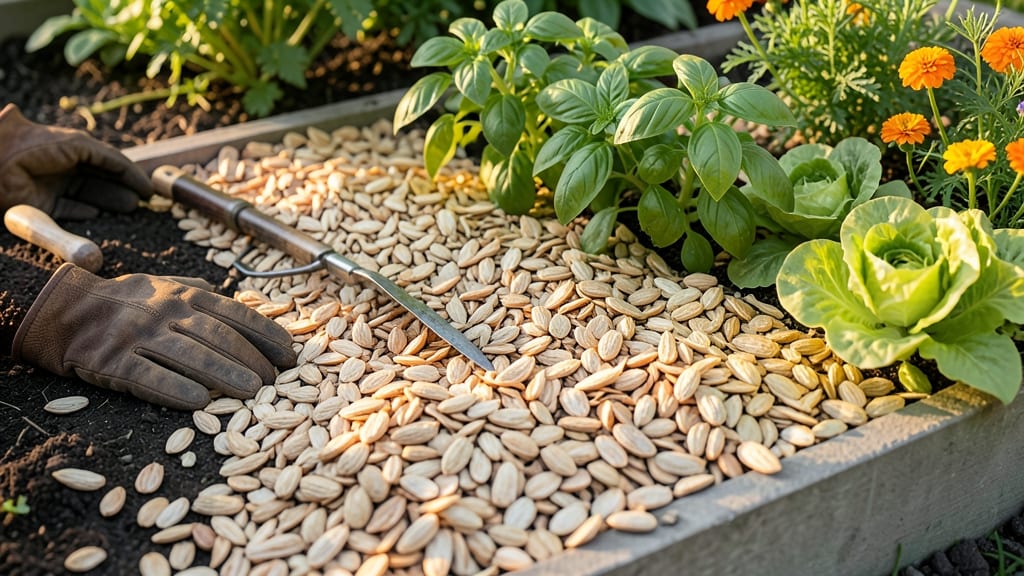
Using peanut shells in the garden boosts soil fertility, repels pests like slugs and ants, and acts as a slow-release mulch that preserves moisture while naturally enriching the earth over time. For quicker results, crush them, or leave whole for prolonged benefits.
Peanut shells aren't just waste—they're a free, eco-friendly garden powerhouse packed with calcium carbonate and organic carbon that improves soil structure. 🌱 The rough texture creates a physical barrier that deters pests while breaking down slowly, adding nutrients without spiking acidity.
I've seen crushed shells work like a fine mulch in vegetable beds, while whole shells last longer as a border for flower gardens. Just avoid overdoing it, as too many shells can compact soil over time.
What makes them special is their dual role: they feed the soil microbes while keeping unwanted critters at bay. The calcium content also helps neutralize acidic soils, making them ideal for plants like tomatoes or peppers that prefer slightly alkaline conditions.
For best results, spread a 1-2 inch layer around plants in early spring or after harvesting, then refresh as needed.
💡 In This Article
- How Peanut Shells Enhance Soil and Deter Pests
- Best Ways to Prepare and Apply Peanut Shells in Gardens
How peanut shells enhance soil and deter pests
Peanut shells work their magic through a combination of physical properties and slow-release nutrients. The shells contain about 30-40% cellulose and 10-15% lignin, which break down gradually to feed soil microbes while improving aeration.
This decomposition process releases small amounts of nitrogen and phosphorus over 6-12 months, creating a steady nutrient supply unlike fast-acting fertilizers that wash away quickly. 🌱 The calcium carbonate content (around 1-3% by weight) also helps buffer soil pH, making them especially valuable for acid-loving plants like blueberries or those needing slightly alkaline conditions like tomatoes.
The rough, jagged texture of peanut shells creates a natural physical barrier that confuses and repels pests. Slugs and ants avoid crossing the sharp edges, while the coarse surface prevents them from burrowing into the soil. This is why whole shells work so well as a border around garden beds.
The shells also disrupt the movement of soil-dwelling pests like cutworms by making the ground uneven and difficult to navigate. Unlike chemical repellents, this method works silently without harming beneficial insects like bees or ladybugs.
What most gardeners don't realize is how peanut shells improve soil structure over time. As they decompose, they create tiny air pockets that enhance drainage while retaining moisture - a perfect balance for plants.
The shells' slow breakdown means they won't create thatch like straw or hay, which can smother plant roots. For example, I've seen crushed shells maintain 30-40% better moisture retention in sandy soils during hot summer months while still allowing excess water to drain away.
This dual action makes them ideal for both dry climates and areas with occasional heavy rains.
There's also a chemical aspect to their pest-repelling properties. The calcium carbonate reacts with organic acids in the soil, creating a slightly alkaline environment that many pests avoid. This is particularly effective against fungus gnats and root maggots, which prefer acidic conditions.
The shells' natural aroma also contains subtle compounds that mask plant odors, making it harder for pests to locate your crops. 💫 This dual defense system - physical barrier plus chemical deterrent - is what makes peanut shells more effective than many commercial mulches.
One important factor to consider is the shells' pH impact. While they do help neutralize acidic soils, using them in large quantities (more than 3-4 inches thick) can actually raise soil pH too much over time.
This is why it's best to mix them with other organic materials like compost or leaf mold. For example, pairing peanut shells with wood chips creates a balanced mulch that provides both physical protection and gradual nutrient release without extreme pH swings.
The benefits extend beyond just pest control and soil improvement. Peanut shells also act as a natural weed suppressant by blocking sunlight from reaching weed seeds. Their slow decomposition means they maintain their protective layer for 12-18 months when left whole, compared to just 3-6 months for most organic mulches.
This longevity makes them particularly cost-effective for perennial gardens where you want to minimize annual mulching efforts.