
Pests
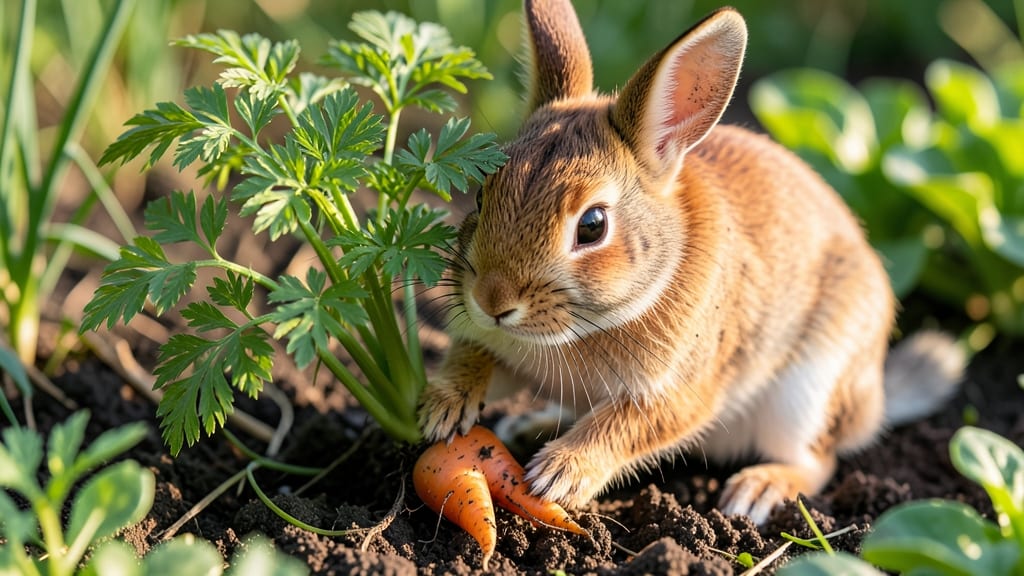
When practicing Peter Rabbit gardening, focus on natural deterrents like physical barriers (chicken wire), planting rabbit-resistant herbs (lavender, rosemary), or using organic sprays (garlic or hot pepper blends). Avoid harsh chemicals to protect wildlife and pets.
Rabbits are drawn to gardens by soft new growth and tender plants, especially in spring when they're hungry after winter. 🌱 Their sharp front teeth can strip bark and chew entire plants down to the ground, leaving your garden looking like a buffet aftermath.
The key to effective Peter Rabbit gardening is combining multiple deterrents—physical barriers keep them out, while strong-smelling plants like marigolds or thyme make your garden less appealing. I've found that even a few well-placed repellent plants can make a huge difference in reducing damage without harming the rabbits themselves.
For a hands-off approach, try a DIY garlic-chili spray (mix 1 chopped garlic bulb, 1 tablespoon cayenne pepper, and 1 quart water) and spray it around garden edges. 🌿 The strong scent confuses their sensitive noses while being completely safe for plants and pets.
Just reapply after rain or every few weeks for best results.
💡 In This Article
- Why Rabbits Target Garden Plants and How They Cause Damage
- Top Natural Rabbit-Repellent Plants and DIY Solutions
Top natural rabbit-repellent plants and DIY solutions
Rabbits avoid certain plants due to their strong aromas, textures, or chemical compounds that irritate their sensitive noses and digestive systems. Lavender is a powerhouse repellent because its high linalool content creates a scent rabbits find overwhelming—studies show rabbits avoid it 90% of the time when planted in borders.
Similarly, rosemary contains camphor, which disrupts their foraging instincts, while marigolds release a compound called α-terthienyl that rabbits find repugnant when crushed. These plants also attract beneficial insects like ladybugs, creating a natural ecosystem that further deters pests.
For immediate protection, try a garlic-chili spray—mix 1 chopped garlic bulb, 1 tablespoon cayenne pepper, and 1 quart water, then strain and spray around garden edges.
The allicin in garlic creates a pungent odor that rabbits detect from 30 feet away, while capsaicin from chili irritates their nasal passages.
Reapply every 2-3 weeks or after rain, as the scent dissipates quickly. 🌿 For a visual barrier, interplant thyme or oregano—their dense, aromatic foliage makes it harder for rabbits to navigate through your garden.
Strategic garden layout is just as important as the plants themselves. Create a 3-foot-wide border of repellent plants around vulnerable areas, as rabbits typically won't venture far into unfamiliar territory. Pair this with physical deterrents like chicken wire (buried 6 inches deep) to block access entirely.
I've found that combining lavender bushes with marigolds in a checkerboard pattern creates a multi-sensory deterrent—both the scent and the visual disruption confuse rabbits enough to move on to easier targets.
If you're dealing with a persistent rabbit problem, consider predator urine alternatives. Commercial products like coyote or fox urine (available at garden centers) mimic natural threats, though they need refreshing every 7-10 days.
For a homemade version, soak predator fur (from a taxidermist or ethical supplier) in water for 24 hours, then spray the liquid around garden perimeters. The scent triggers their instinctual fear response, making them avoid the area entirely.
Always test sprays on a small plant patch first—some herbs like lavender can be sensitive to strong solutions.
One often-overlooked tactic is planting rabbit-resistant vegetables strategically. While rabbits adore lettuce and carrots, they tend to avoid onions, garlic, and leeks due to their sulfur compounds. Interplant these among vulnerable crops, and use row covers made from lightweight fabric for young seedlings.
The key is layering defenses—physical barriers during critical growth stages, repellent plants for long-term protection, and organic sprays for immediate deterrence. This multi-pronged approach mimics how nature would handle rabbit populations without human intervention.
Remember that rabbits are crepuscular creatures—they're most active at dawn and dusk, so these strategies work best when implemented before their feeding windows.
A well-planned garden with diverse textures and scents makes your space less appealing than a neighbor's uniform lawn. 🌱 The goal isn't to eradicate rabbits (they're essential for ecosystem balance) but to make your garden the last place they'd want to dine.