
Tools
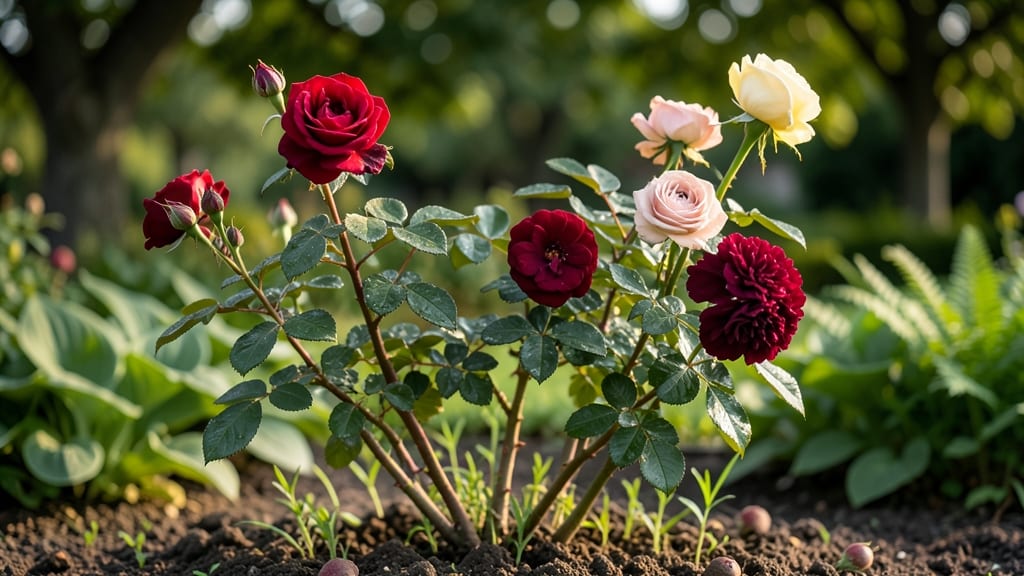
Seattle WA’s best rose gardens showcase stunning floral displays at the Seattle Rose Garden at Washington Park, where over 5,000 roses bloom seasonally from May through October, including rare David Austin English roses. You’ll also love the Seattle Japanese Garden’s cherry-blossom-adjacent rose displays and Volunteer Park Conservatory’s year-round greenhouse roses, all flourishing thanks to the Pacific Northwest’s perfect growing conditions.
Seattle’s mild, maritime climate—with its cool summers and wet winters—actually makes it one of the best places in the U.S. for roses to thrive. 🌸 The consistent moisture reduces stress on plants, while the moderate temperatures prevent extreme heat damage.
Unlike drier regions, Seattle’s acidic soil also supports the nutrient needs of roses, creating vibrant blooms that last longer. These conditions explain why the city’s gardens feature such diverse varieties, from classic hybrid teas to hardy climbers.
What sets Seattle’s rose gardens apart is their year-round accessibility. While many gardens close in winter, Volunteer Park Conservatory’s greenhouse stays open, offering a cozy escape to see roses even in colder months.
The Japanese Garden’s rose displays, tucked near cherry blossoms, create magical photo opportunities during spring’s peak bloom season. For home gardeners, this climate means roses require less pampering—just consistent watering and occasional pruning to encourage those signature lush blooms.
💡 In This Article
- Why Seattle’s Climate Creates Ideal Conditions for Rose Gardens
- Seasonal Rose-Blooming Calendar for Seattle Gardens
Why Seattle’s climate creates ideal conditions for rose gardens
Seattle’s maritime climate—characterized by cool summers, mild winters, and high humidity—acts like a natural greenhouse for roses. The city’s average summer temperatures hover around 70-80°F, never reaching the extreme heat that can scorch petals in places like Phoenix or Dallas.
This moderation allows roses to focus energy on blooming rather than surviving heat stress. The consistent moisture from frequent rain (about 38 inches annually) keeps soil evenly hydrated, reducing the need for irrigation while preventing drought-related wilting.
The Pacific Northwest’s acidic soil—with pH levels typically between 5.5 and 6.5—mirrors the natural conditions roses thrive in across Europe and Asia. This acidity enhances nutrient absorption, particularly iron and phosphorus, which are critical for vibrant blooms.
In contrast, alkaline soils common in the Midwest can lock out essential minerals, leading to weaker growth. Seattle’s climate also minimizes fungal diseases like black spot, which flourishes in hot, dry conditions. The cool nights and damp air create an environment where roses develop thicker, more resilient stems.
What’s fascinating is how Seattle’s climate extends the blooming season. While roses in desert climates may bloom intensely but briefly, Seattle’s gardens enjoy prolonged displays. For example, the Seattle Rose Garden maintains peak blooms from May through October, with some varieties like 'Knock Out' roses producing flowers nearly year-round.
The Japanese Garden’s roses, planted near cherry blossoms, benefit from this extended season too—creating stunning visual pairings when both trees and roses are in bloom simultaneously.
Comparing Seattle to other U.S. rose regions reveals striking differences. In Southern California, roses face summer heat stress, requiring extra watering and shade. In the Northeast, harsh winters demand cold-hardy varieties and protective measures. Seattle’s roses, however, require minimal intervention—just occasional pruning to remove dead wood and encourage new growth.
This low-maintenance advantage makes Seattle’s gardens both visually stunning and sustainable, with roses that thrive with nature’s help rather than against it.
For home gardeners, this climate means roses can be planted almost anytime (except deep winter), and they’ll reward you with fewer pests and diseases.
The key is to mimic these natural conditions: water deeply but infrequently (about 1-2 inches per week), mulch to retain moisture, and choose varieties suited to Seattle’s USDA Zone 8a climate. The result? Roses that bloom abundantly with minimal effort—just like those in Seattle’s world-class gardens.
This climate isn’t just lucky—it’s a perfect match for roses. The combination of cool temperatures, high humidity, and acidic soil creates an environment where roses can focus their energy on what matters most: producing those iconic, fragrant blooms we all love. 🌿