
Tools
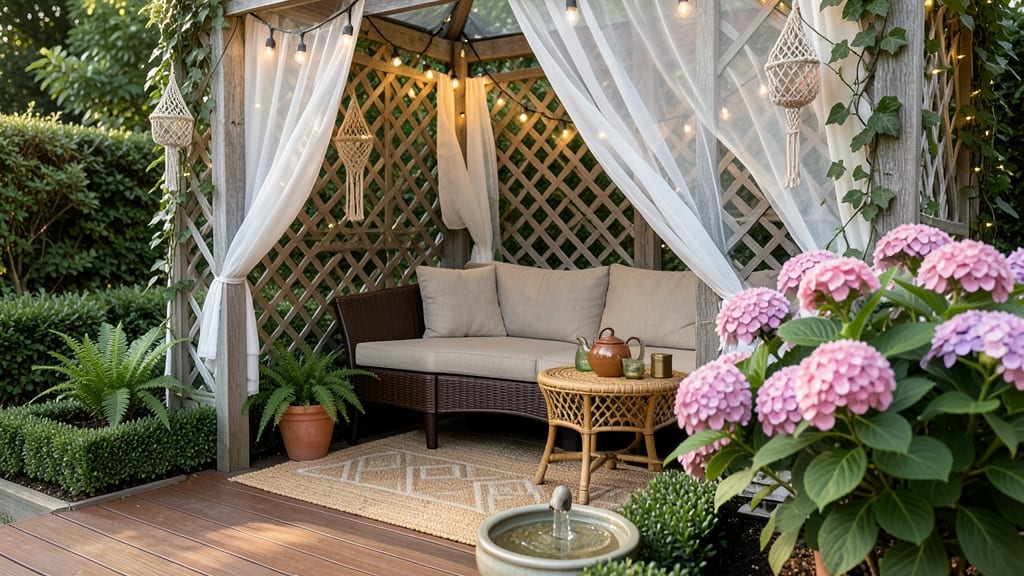
A screened-in garden can turn your backyard into a pest-free, climate-controlled escape—whether you dream of morning coffee with birdsong or a cozy dinner under the stars.
Picture this: a private outdoor retreat where you can garden, dine, or unwind without bugs buzzing or neighbors peeking over the fence. The best part? It works year-round, shielding you from rain, wind, and even the occasional squirrel invasion.
From lush privacy screens to clever layouts that maximize space, we’ll show you 10 functional designs that blend beauty with practicality—whether you’re working with a tiny patio or a sprawling backyard.
Ready to design your own? You’ll discover the best materials for durability, plant picks that thrive in semi-enclosed spaces, and tips to keep your screened-in oasis looking fresh for decades.
10 Screened-in garden layouts for privacy and functionality
A screened-in garden is more than just a pretty addition to your backyard—it’s a functional sanctuary that blends privacy, pest control, and climate protection into one versatile space.
Whether you're dreaming of a cozy reading nook, a dining alcove, or a year-round herb garden, the right layout can transform any corner of your yard into a multi-seasonal retreat.
The key is balancing form and function—think built-in seating, trellises for vertical growth, and strategic screening to block wind and insects while letting in just enough light for your plants.
My favorite screened-in gardens combine three essential elements: durable screening, space-saving furniture, and plant-friendly conditions. For example, a polycarbonate screen offers UV protection while allowing diffused light, perfect for shade-loving herbs like cilantro or fuchsia plants.
Meanwhile, aluminum mesh keeps bugs out without sacrificing airflow, ideal for tomato cages or hanging baskets of petunias. The layouts below cater to different needs—from small urban patios to large backyard expansions—so you can pick what fits your space and lifestyle.
Let’s start with the cozy reading nook, a low-maintenance layout perfect for small spaces. Use a pre-fabricated screen kit with a fine-mesh polyester
How to choose the right screening material for your climate
A screened-in garden needs the right screening material to balance durability, pest control, and weather resistance. Your local climate—whether it's humid, windy, or sunny—will dictate the best choice. Let’s break down the top materials and their pros and cons so you can make an informed decision.
Not all screens are created equal. Fiberglass, aluminum, and polyester are the most popular options, each offering unique benefits. For example, fiberglass is lightweight and affordable, while aluminum provides superior strength and UV resistance. Understanding these differences ensures your screened garden stays functional for years.
UV resistance is critical, especially in sunny climates. Polyester screens, for instance, often come with UV coatings that prevent fading and degradation. Meanwhile, insect-blocking effectiveness varies—some meshes block 99% of pests, while others allow smaller bugs to slip through. Let’s compare your options in detail below.
Deciding between DIY screens and pre-made panels depends on your budget and skill level. Pre-made screens offer convenience and consistency, while DIY options let you customize size and shape. For example, rolling screens are ideal for patios, while permanent panels work best for full enclosures.
If you live in a humid climate, polyester is your best bet—it resists mold and mildew better than fiberglass. In windy areas, aluminum’s strength ensures your screens stay taut and intact. Always measure your space carefully and account for expansion gaps to prevent warping over time.
Don’t forget to consider maintenance requirements. Fiberglass may need replacing every 3-5 years, while aluminum and polyester can last a decade or more with proper care. A little upfront research now saves headaches—and money—later.