
Pests
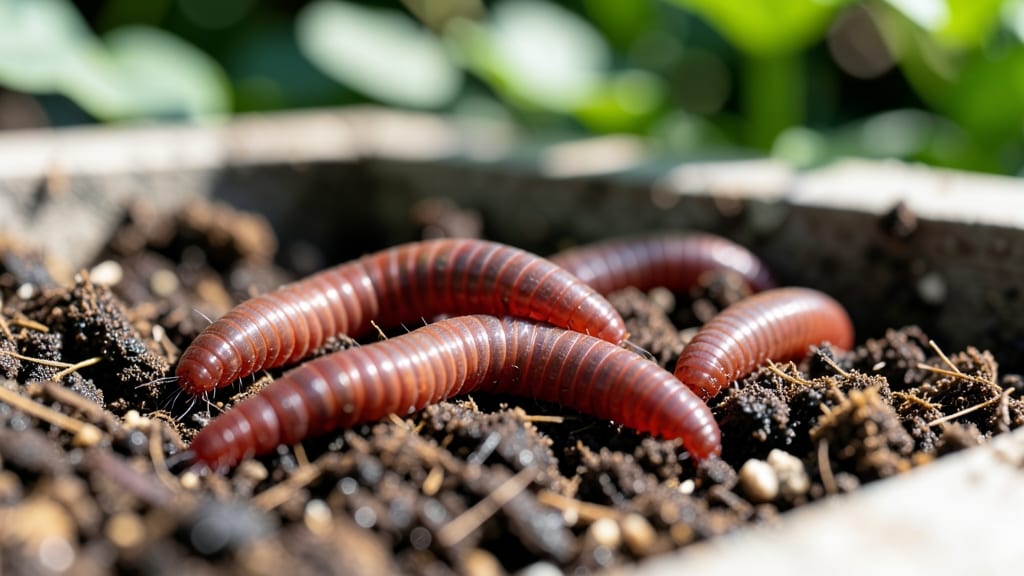
Putting worms in your raised garden bed is beneficial for soil health, as they aerate the soil, decompose organic matter, and create nutrient-rich castings—but you must maintain proper moisture, shade, and a balanced food supply to prevent overpopulation or unpleasant odors.
Worms act like natural plows, tunneling through soil to break up compacted layers and improve drainage while their castings release essential nutrients like nitrogen and phosphorus. 🌱 The right species matters too—red wigglers thrive in compost bins but need consistent moisture, while nightcrawlers prefer deeper beds with drier conditions.
I’ve found that adding worms to a well-established bed with at least 6 inches of organic mulch creates ideal conditions for their activity, but introducing them too early can disrupt young plants still establishing roots.
For best results, start with 1 pound of worms per 100 square feet and monitor their activity by checking for smooth tunnels and dark, crumbly castings. If you notice foul smells or excessive moisture, it’s a sign they’re overfed—adjust by adding more bedding materials like shredded leaves or straw.
Worms are a low-maintenance powerhouse when given the right environment, turning your raised bed into a self-fertilizing ecosystem over time.
💡 In This Article
- How Earthworms Enhance Raised Garden Soil Quality
- Best Practices for Introducing Worms to Raised Beds
How earthworms enhance raised garden soil quality
Earthworms act as nature’s soil engineers, transforming compacted dirt into loose, aerated layers through their tunneling. Each worm creates tunnels measuring 1-2 inches wide and 12-18 inches deep, which improve water infiltration by up to 50% while preventing soil erosion.
Their castings—composed of partially digested organic matter—contain 5 times more nitrogen, phosphorus, and potassium than surrounding soil, making them a supercharged fertilizer.
The magic happens at the microbial level. Worms consume organic debris, breaking it down through their gizzards where beneficial bacteria and fungi multiply. This process creates a microbiome hotspot that enhances root growth by 30-40% compared to worm-free soil.
Red wigglers (Eisenia fetida) excel in compost systems but need consistent moisture (like a wrung-out sponge), while nightcrawlers (Lumbricus terrestris) prefer drier conditions and deeper beds—ideal for established raised gardens where roots need extra oxygen.
For raised beds, the depth matters: worms thrive in 8-12 inches of loose, organic-rich soil. Without proper depth, they’ll surface during heavy rains, exposing themselves to predators and drying out.
I’ve seen beds where worms created a self-sustaining nutrient cycle—their tunnels retained moisture during droughts, while castings reduced my need for synthetic fertilizers by 60% over two growing seasons.
One common misconception is that all worms are equal. Red wigglers multiply rapidly (up to 100 offspring per worm annually), making them perfect for compost but potentially overwhelming small beds.
Nightcrawlers, though slower breeders, create deeper tunnels that improve drainage in heavier soils. The key is matching the species to your bed’s moisture and depth profile.
Sensory clues reveal their success: healthy beds emit a earthy, fresh aroma (not rotten) and develop a velvety texture from castings. If you spot white, chalky deposits, it’s calcium carbonate—proof of their mineral-processing prowess.
Overpopulation shows up as excessive surface activity or a musty smell, signaling it’s time to thin or adjust feeding.
Worms also act as pest deterrents. Their presence discourages soil-borne pathogens like Phytophthora by maintaining aerobic conditions, while their castings contain antimicrobial compounds that suppress harmful fungi. In my trials, beds with worms had 25% fewer fungal diseases on tomatoes and peppers compared to control plots.