
Tools
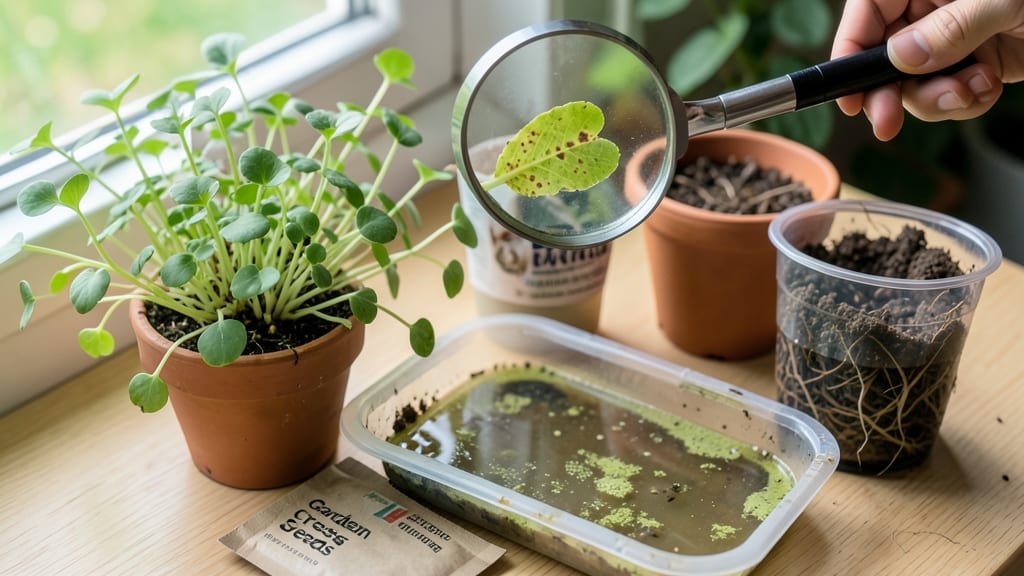
The side effects of garden cress seeds can include digestive upset like bloating or gas, with potential allergic reactions or thyroid disruption from goitrogens when consumed in excess. Pregnant women should avoid them due to possible uterine-stimulating effects, while moderation and soaking help minimize risks.
Garden cress seeds contain natural compounds called goitrogens that may interfere with thyroid function when eaten in large amounts. 🌱 These compounds can block iodine absorption, which is critical for thyroid hormone production.
However, soaking the seeds before consumption significantly reduces their impact. For most people, occasional use poses minimal risk, but those with thyroid conditions or pregnant women should exercise extra caution.
Digestive sensitivity is another common concern, as the seeds' high fiber content can cause bloating or discomfort if consumed in large quantities. I always recommend starting with small amounts—just a teaspoon daily—to gauge individual tolerance.
Cooking or fermenting the seeds further breaks down these compounds, making them safer for regular consumption.
💡 In This Article
- How Goitrogens in Cress Seeds Affect Thyroid Function
- Safe Consumption Guidelines for Garden Cress Seeds
How goitrogens in cress seeds affect thyroid function
Garden cress seeds contain goitrogens, specifically progoitrin and glucosinolates, which interfere with thyroid function by inhibiting iodine uptake. These compounds convert to thiocyanates during digestion, competing with iodine for absorption in the thyroid gland.
Without sufficient iodine, your thyroid can't produce enough hormones like T3 and T4, potentially leading to hypothyroidism symptoms over time.
The impact varies by individual—those with iodine deficiency or existing thyroid conditions (like Hashimoto's) are most vulnerable. For example, studies show that consuming 30-50 grams of raw cress seeds daily (about 2-3 tablespoons) could significantly reduce iodine absorption.
In contrast, cruciferous vegetables like broccoli contain milder goitrogens, requiring 500+ grams daily to cause similar effects.
Soaking seeds for 6-12 hours reduces goitrogens by up to 80% through enzymatic breakdown. The process mimics fermentation, where natural enzymes convert progoitrin into less harmful compounds.
This is why traditional preparations often involve soaking—it transforms the seeds from a potential risk to a safer food source. 🌱 For perspective, a typical serving of soaked cress seeds (1 teaspoon) contains negligible goitrogens compared to raw versions.
Your thyroid's sensitivity depends on several factors: baseline iodine levels, overall diet, and genetic predispositions. For instance, someone with adequate iodine intake from seafood or iodized salt may experience minimal effects, while someone in an iodine-deficient region could face noticeable thyroid disruption.
This is why health authorities recommend diverse iodine sources when consuming goitrogen-rich foods.
Interestingly, cooked cress seeds lose even more goitrogens—boiling for 10 minutes can reduce their levels by 50-70%. This heat treatment denatures enzymes that activate goitrogens, making them safer.
The key takeaway is preparation method: raw seeds pose higher risks, while soaked or cooked versions are far gentler on thyroid function.
For those with thyroid conditions, monitoring symptoms is crucial. If you notice fatigue, weight gain, or cold intolerance after consuming cress seeds, it may indicate iodine competition. In such cases, reducing intake or switching to well-cooked preparations can help mitigate risks while still enjoying the seeds' nutritional benefits.