
Pests
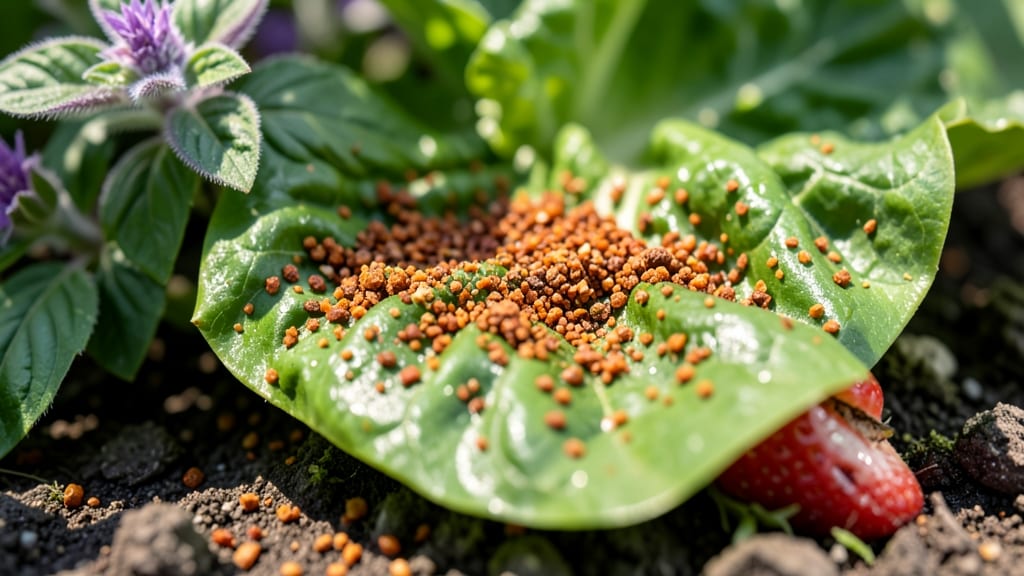
For squirrel repellent in gardens, natural solutions like cayenne pepper sprays, predator urine (coyote or fox), or physical barriers such as wire mesh work best. These methods protect plants and wildlife while keeping squirrels away effectively without toxic chemicals.
Squirrels rely heavily on their keen sense of smell, which is why natural deterrents like cayenne pepper or predator urine are so effective. 🔥 These scents create an unpleasant experience that squirrels will avoid, often for weeks after application.
Physical barriers, such as wire mesh around vulnerable plants, provide a long-term solution by making it impossible for them to access food sources. The key is consistency—reapplying deterrents every few weeks ensures they remain effective, especially during peak foraging seasons like late summer and early fall.
Beyond just keeping squirrels away, these methods also protect your garden's ecosystem. Toxic chemicals can harm beneficial insects and wildlife, while natural repellents maintain a balanced environment.
I've found that combining a few different approaches—like using predator urine around bird feeders and cayenne spray on young plants—gives the best results without resorting to harmful solutions.
💡 In This Article
- How Natural Squirrel Repellents Deter Wildlife
- DIY Squirrel Repellent Recipes for Garden Protection
How natural squirrel repellents deter wildlife
Squirrels possess an olfactory system that's 10,000 times more sensitive than humans', which means even faint scents can trigger avoidance behaviors.
Natural repellents like cayenne pepper work because their capsaicin compound creates a burning sensation in squirrels' mouths and nasal passages. 🔥 Studies show that squirrels will avoid areas treated with spicy compounds for up to 4-6 weeks after application, as the memory of the unpleasant experience remains strong.
This is why a single application during planting season can provide protection for your entire growing cycle.
The effectiveness of predator urine comes from squirrels' innate fear response to larger animals. Fox or coyote urine contains pheromones that signal danger, and squirrels will immediately associate your garden with potential threats.
A single 1-2 teaspoon application per 10 square feet, re-applied every 2-3 weeks, creates a persistent deterrent. The scent lingers in the soil and on plants, maintaining its psychological impact. Unlike chemical repellents that degrade quickly, natural predator scents break down more slowly, providing longer-lasting protection.
Visual deterrents exploit squirrels' natural wariness of unfamiliar objects. Reflective tape or old CDs hung from trees create flashes of light that mimic predator movement patterns, causing squirrels to perceive the area as unsafe.
This works particularly well in open garden spaces where squirrels have clear lines of sight. 💫 The key is movement—static objects are ignored, but anything that shifts with wind or sunlight becomes a deterrent.
For best results, combine visual deterrents with scent-based methods, as squirrels rely on both senses to assess threats in their environment.
Taste aversion methods create negative associations with specific plants or food sources. Bitter compounds like castor oil or vinegar make garden plants unpalatable, while spicy blends deter squirrels from digging near roots. The secret lies in consistency—repeated exposure to unpleasant tastes reinforces avoidance behaviors.
For example, applying a 1:10 ratio of cayenne pepper to water spray to newly planted bulbs creates a barrier that lasts through the squirrel's foraging season, typically late summer to early winter.
What most people don't realize is that squirrels have excellent spatial memory. When they encounter a repellent, they'll remember that location and avoid it even when hungry. This is why creating multiple deterrent zones in your garden—around bird feeders, compost piles, and vegetable beds—is so effective.
The more barriers you establish, the harder it becomes for squirrels to find accessible food sources without triggering their avoidance responses.
For maximum effectiveness, combine at least two different repellent methods. For instance, use predator urine around the perimeter of your garden while applying cayenne sprays to vulnerable plants. This multi-sensory approach creates a comprehensive deterrent system that addresses squirrels' primary senses: smell, taste, and sight.
The result is a garden that remains squirrel-free without harming the local ecosystem or beneficial wildlife.