
Tools
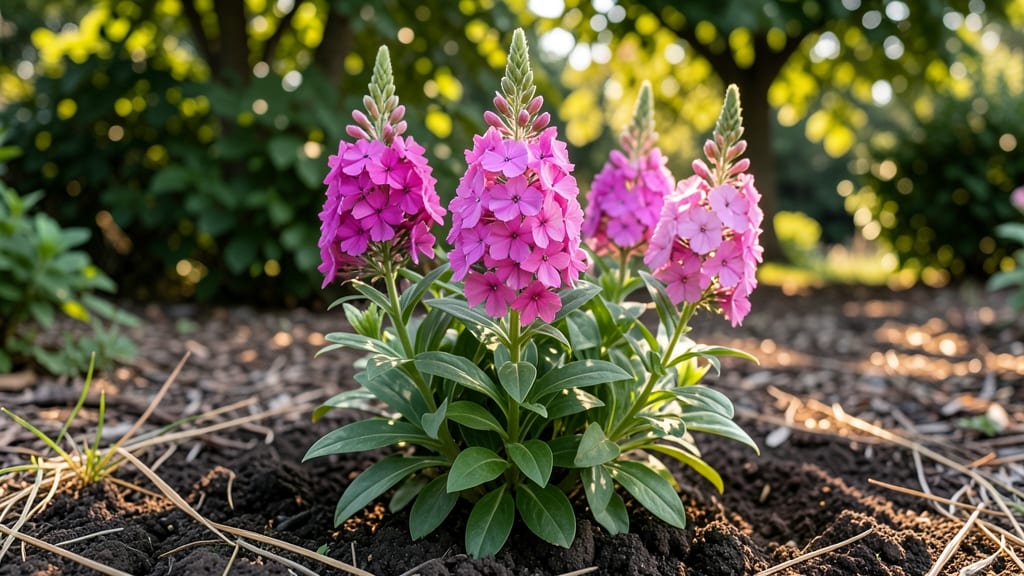
The tallest garden phlox varieties can reach 5 feet or more, turning your borders into a cloud of color that hummingbirds can’t resist.
If you dream of vertical gardens bursting with vibrant blooms, these towering 🌸 beauties could be your secret weapon—reaching heights that outshine most perennials with minimal fuss. But here’s the catch: without the right pruning and support, those 4-foot stems can flop like overcooked spaghetti.
In this guide, I’ll share the top 5 tallest phlox varieties (like ‘David’ and ‘Blue Paradise’) and the pruning secrets that keep them standing tall all season.
Whether you’re lining a fence or filling a cottage garden, we’ll cover everything from soil prep to staking so your phlox stays upright and stunning.
Ready to grow phlox that commands attention? Let’s get started with the varieties that break the 4-foot barrier and how to coax them to their full height.
Top 5 tallest garden phlox varieties and their stunning height records
If you're chasing that dramatic vertical impact in your garden, tall garden phlox varieties like Phlox paniculata are your best allies. These towering beauties can reach 5 feet or taller, creating stunning focal points that outshine shorter perennials.
Unlike their dwarf cousins, these giants thrive with minimal fuss while delivering prolonged bloom seasons from mid-summer to fall.
The secret to their height dominance lies in their robust stems and vigorous growth habits. When planted in well-draining soil with full sun exposure, these varieties develop thick, sturdy stems capable of supporting heavy flower clusters.
Their color spectrum ranges from deep purples to vibrant pinks, making them perfect for cut flower arrangements or backyard borders.
Here’s how the top 5 tallest varieties stack up in height records, bloom times, and garden performance:
| Variety | Height Range | Bloom Time | Color Spectrum | Best For |
|---|---|---|---|---|
| Phlox paniculata 'David' | 4-5 ft | July-Sept | Deep purple | Cut flowers, borders |
| Phlox paniculata 'Blue Paradise' | 4-5 ft | July-Aug | Sky blue | Cottage gardens |
| Phlox paniculata 'White Delight' | 4-5 ft | July-Sept | Pure white | Wedding bouquets |
| Phlox paniculata 'Starfire' | 3.5-4.5 ft | July-Aug | Crimson-red | Wildlife gardens |
| Phlox paniculata 'Miss Lena' | 3.5-4.5 ft | July-Sept | Magenta | Container gardens |
What sets these tall phlox varieties apart is their ability to dominate garden spaces without requiring specialized support. Unlike delicate annuals, these perennial powerhouses return year after year, increasing in height and bloom density with each season.
Their deep root systems also make them drought-tolerant once established, reducing your watering workload.
For maximum height potential, focus on soil fertility and sun exposure. Amend your garden beds with compost before planting, and ensure they receive at least 6 hours of sunlight daily. In hotter climates, provide afternoon shade to prevent flower scorch while maintaining stem strength.
One of my favorite design tricks is pairing tall phlox with shorter perennials like black-eyed Susans or Russian sage. This creates a staggered visual effect that draws the eye upward, making your garden feel grand and intentional.
The contrast in textures—phlox’s velvety blooms against sage’s spiky foliage—adds depth to any landscape design.
When selecting varieties, consider your garden’s color palette. 'Blue Paradise' adds a cool contrast to warm-toned gardens, while 'Starfire' injects bold drama into
Pruning secrets for maximizing tall phlox bloom height without flopping
Tall garden phlox varieties like Phlox paniculata 'David' can reach 5 feet or taller, but their leggy stems often flop under the weight of blooms. The key to maintaining vertical growth and abundant flowers lies in strategic pruning.
Unlike shorter varieties, tall phlox need careful timing and technique to prevent sprawl while encouraging strong stems. I’ve pruned these towering beauties for years, and these methods have kept mine upright and blooming prolifically.
Most gardeners make one critical mistake: pruning too late or too aggressively. This weakens the plant’s structure and delays blooms. Instead, focus on three key pruning phases—early spring, mid-summer, and post-bloom—that work together to strengthen stems and extend the bloom season.
With these techniques, your tall phlox will reach their full height potential while staying sturdy enough to support those heavy flower clusters.
- 🌱 Early Spring (March-April): Cut back last year’s stems to 6-8 inches above the ground. This encourages new basal growth from the center, which produces stronger stems for vertical growth.
- 🌿 Mid-Summer (June-July): As flowers fade, deadhead spent blooms but leave 1-2 inches of stem. This redirects energy to side buds, extending the bloom season by 3-4 weeks.
- ✂️ Post-Bloom (August-September): After the main flowering cycle, trim 1/3 of the tallest stems to encourage bushier regrowth. This prevents legginess and prepares the plant for winter.
- 💧 Seasonal Tip: Always use sharp, sterilized pruners to avoid disease transmission. Water deeply after pruning to reduce stress on the plant.
Timing is everything when pruning tall phlox. Early spring cuts should happen before new growth begins—typically when you see new shoots emerging from the base. This ensures the plant has energy to develop a strong framework for the season.
If you wait too long, you risk weakening the stems before they’ve had a chance to harden off.
Another pro tip: Group tall phlox in clusters rather than spacing them widely. This creates natural windbreaks that prevent stems from leaning or flopping. When planting, space groups 18-24 inches apart but leave 3 feet between clusters for airflow.
I’ve found that 'David' phlox benefits most from this grouped planting strategy, as its 5-foot height makes it prone to wind damage.
For varieties like 'Blue Paradise' or 'White Delight', light summer pruning is your secret weapon. Instead of cutting back hard, snip just the top 1/3 of each stem after the first flush of blooms.
This triggers lateral branching, resulting in denser, taller flower spikes that stay upright. Just avoid pruning after mid-August, as new growth won’t have time to harden off before frost.
Finally, don’t forget to mulch around the base after pruning. A 3-inch layer of organic mulch helps retain moisture and regulate soil temperature, which is crucial for tall phlox recovery after heavy pruning.
I use shredded hardwood mulch because it breaks down slowly and adds nutrients over time, reducing the need for extra fertilizer.