
Tools
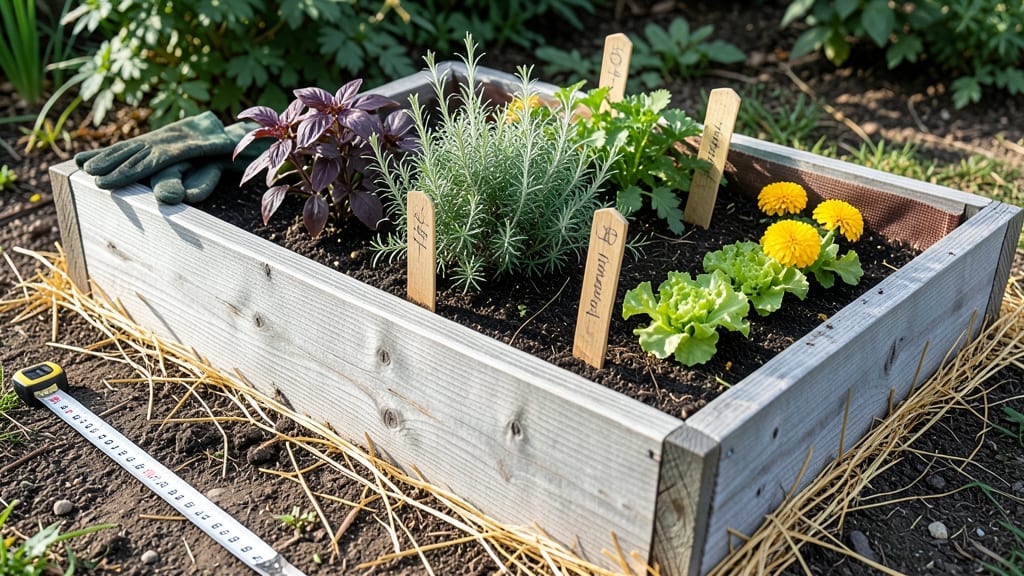
Typical raised garden bed sizes range between 3 to 4 feet wide, 8 to 12 feet long, and 6 to 12 inches deep to maximize planting space while ensuring easy access and proper drainage for optimal plant growth.
These standard dimensions aren't arbitrary—they're designed to balance reachability with planting efficiency. 3-4 feet wide lets you garden without stepping inside (ideal for back protection), while 8-12 feet long maximizes growing space without sacrificing soil quality.
The 6-12 inch depth accommodates root systems while preventing soil compaction. 🌱 For example, shallow-rooted herbs thrive in 6 inches, but tomatoes need the full 12 inches to develop properly.
Many gardeners also adjust lengths based on available space, using shorter beds for urban balconies or longer ones for large estates.
Material choices play a key role too—wood beds (like cedar) often follow these dimensions perfectly, while metal or composite beds might need customization for weight distribution. I've found that adding 2-3 inch side walls improves soil retention, especially in windy areas.
The key is matching your bed size to both your plants' needs and your physical comfort when tending them.
💡 In This Article
- Why Standard Raised Garden Bed Dimensions Matter for Plant Health
- Customizing Raised Garden Bed Sizes for Your Space and Needs
Why standard raised garden bed dimensions matter for plant health
Here's what's actually happening when you choose those standard dimensions: the 3-4 foot width isn't just about convenience—it's rooted in ergonomics and plant physiology.
When beds exceed 4 feet wide, you risk soil compaction in the center from foot traffic, while narrower beds (2 feet) force you to step inside, potentially damaging plants.
The ideal width creates a "reach zone" where your arm can comfortably extend 18-24 inches from your body without straining, similar to how kitchen countertops are designed for easy access. 🌿 This also prevents "edge effects" where plants at the center get less sunlight and air circulation than those at the perimeter.
Depth plays a crucial role in root development and soil structure. The 6-12 inch range balances two key factors: drainage and root space. Shallow-rooted plants like lettuce or radishes thrive in 6-8 inches of soil, while deep-rooted crops like tomatoes need the full 12 inches to establish strong anchor systems.
The science here involves soil aeration—the deeper layers prevent compaction that would restrict oxygen flow to roots. Interestingly, studies show that beds deeper than 12 inches can create anaerobic zones near the bottom where beneficial microbes struggle to thrive, potentially leading to root rot in moisture-retentive soils.
Length becomes about space efficiency and soil quality. The 8-12 foot maximum prevents soil from drying out unevenly at the ends while allowing enough growing area for crop rotation. Longer beds also create microclimates where edge plants get more wind exposure than center plants.
I've noticed this particularly with leafy greens—those at the ends often bolt prematurely in hot weather. The length-to-width ratio (typically 3:1) also helps maintain consistent soil temperature throughout the bed, which is critical for seed germination and plant metabolism. 🌱
Material choice interacts with these dimensions in surprising ways. Wood beds (like cedar) naturally follow these standards because standard lumber sizes make construction straightforward, but metal beds might need custom dimensions to prevent warping under soil weight.
The 2-3 inch side walls you'll often see aren't just for aesthetics—they create a "soil reservoir" that maintains moisture levels during dry spells. This becomes particularly noticeable in clay soils where water runs off quickly from flat beds without borders.
Consider this practical example: a 4x8 foot cedar bed with 10 inch depth gives you about 27 cubic feet of soil volume—enough for 16 tomato plants with proper spacing. The width lets you stand comfortably while reaching across, while the length provides space for companion planting (like basil near tomatoes).
What most people don't realize is how these dimensions affect weed competition—wider beds create more surface area for weeds to establish, while longer beds allow for strategic planting sequences that naturally suppress weeds through density.
For those wondering about exceptions, there are valid cases for deviating from standards. 2-foot-wide beds work beautifully for strawberries or small herbs in urban spaces where space is limited, while 16-foot-long beds might be necessary for large-scale vegetable production.
The key is always matching your dimensions to both your plants' biological needs and your physical ability to maintain them comfortably. 💫