
Planting
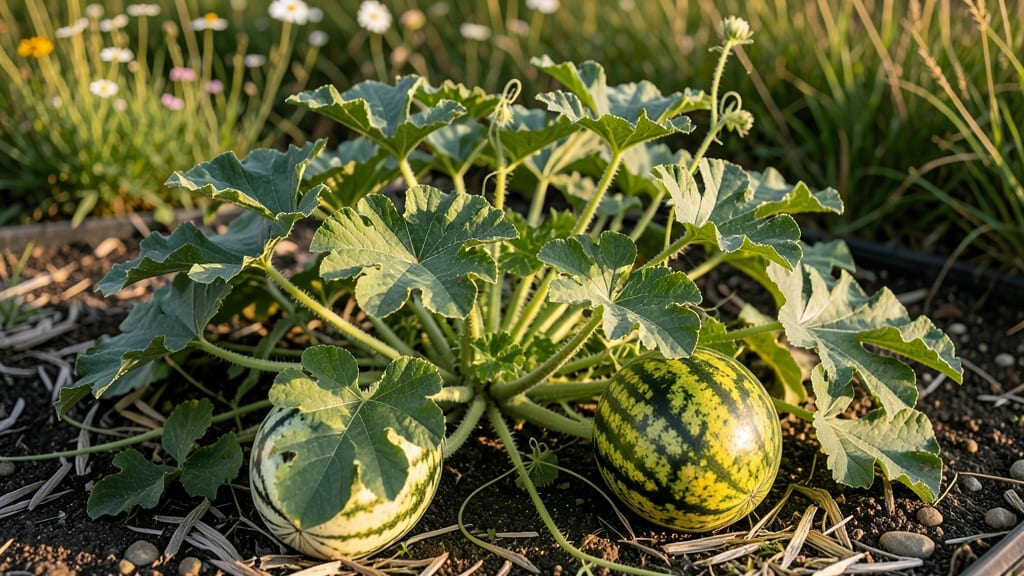
Proper watermelon garden spacing is the secret to turning your summer plot into a juicy, high-yielding 🍉 powerhouse—without the frustration of stunted vines or bitter fruit.
Picture this: you’ve just planted your favorite seedless watermelon variety, only to watch it sprawl into your neighbor’s yard by July. That’s not just a boundary dispute—it’s a yield killer.
Too close, and your melons fight for sunlight, airflow, and nutrients, leaving you with small, underripe fruit or worse, disease-ridden vines.
Here’s the good news: with the right spacing, you can fit more plants in less space while boosting harvests. Whether you’re working with a tiny balcony container or a sprawling backyard, I’ll show you how to map out your plot for maximum productivity—no guesswork required.
From 5-foot rows for bush varieties to creative trellising hacks for small gardens, we’ll cover every trick to keep your watermelons thriving. Ready to plan your perfect layout?
Optimal watermelon garden spacing by variety type (vining vs. bush)
Proper watermelon spacing is the foundation of a high-yield harvest. I’ve learned that crowding plants leads to poor air circulation, disease, and smaller fruits—so let’s dive into the ideal distances for each watermelon variety type to maximize your garden’s potential.
Whether you’re growing vining types like Sugar Baby or bush varieties like Bush Champion, spacing makes all the difference.
Watermelons are divided into two main growth habits: vining (trailing) and bush (compact). Vining types spread aggressively, while bush varieties stay contained. Misjudging spacing can mean the difference between a bumper crop and a disappointing yield.
For example, planting seedless watermelons too closely often results in underdeveloped fruit due to competition for nutrients.
Here’s the comparison table breaking down spacing needs by variety type, including row spacing, plant spacing, and vine support tips:
| Variety Type | Plant Spacing (inches) | Row Spacing (feet) | Vine Support Needed | Best For |
|---|---|---|---|---|
| Vining (e.g., Sugar Baby, Crimson Sweet) | 36–48" | 5–6' | Yes (trellis or hill) | Large gardens, high yields |
| Semi-Vining (e.g., Carolina Cross, Jubilee) | 24–36" | 4–5' | Optional (light trellis) | Medium gardens, balanced yield |
| Bush (e.g., Bush Champion, Black Diamond) | 18–24" | 3–4' | No (compact growth) | Small gardens, containers |
| Seedless (e.g., Triple Crown, Sweet 100) | 36–48" | 5–6' | Yes (vines spread widely) | High-value fruit, large plots |
| Heirloom (e.g., Moon and Stars, Yellow Doll) | 48–60" | 6–8' | Yes (large vine spread) | Specialty markets, heirloom lovers |
For vining watermelons, I recommend using trellises or hills to guide their growth upward or outward. This saves space and improves air circulation, reducing the risk of powdery mildew.
For example, Sugar Baby vines can spread up to 12–15 feet, so giving them 4 feet of space between plants ensures they don’t compete for sunlight or nutrients.
If you’re working with a small garden, bush varieties are your best bet. They stay compact, making them ideal for container growing or tight spaces. For instance, Bush Champion only needs 18–24 inches between plants and thrives in 3–4 feet of row spacing.
This variety is perfect for balconies or raised beds where space is limited.
For seedless watermelons, which are often more expensive to produce, spacing is critical.
These varieties typically require the same 36–48 inches between plants as vining types because their vines spread aggressively. Overcrowding seedless watermelons can lead to smaller, less flavorful fruit, so don’t skimp on space if you’re growing these premium varieties.
Heirloom watermelons, like Moon and Stars, need the most space due to their large vines and fruit size. Allocating 4–5 feet between plants and 6–8 feet between rows ensures these beauties have room to flourish.
If you’re growing heirlooms in a large garden, consider dedicating an entire bed to them for optimal results.
One common mistake I see is ignoring vine support for vining types. Without proper guidance, vines sprawl across the garden, shading other plants and making harvesting difficult. Use trellises, cages, or hill mounds to keep vines off the ground and improve airflow.
For example, a simple wooden trellis or plastic lattice can make all the difference in a small garden.
To visualize spacing in your garden, sketch a layout before planting. For a 10x10-foot garden, you could fit 4–6 bush watermelons or 2–3 vining types with proper spacing. If you’re using raised beds, aim for 1–2 plants per 4x8-foot bed to avoid overcrowding.
Always leave extra space for weeding and maintenance—trust me, you’ll thank yourself later!
Remember, proper spacing isn’t just about yield—it’s also about fruit quality. Watermelons given enough room develop sweeter, larger fruit with fewer blemishes. So, whether you’re a beginner gardener or a seasoned pro, follow these guidelines to turn your watermelon dreams into a bountiful harvest. Happy planting! 🍉
Creative watermelon spacing hacks for small gardens and containers
Small gardens and containers don’t have to mean small watermelon harvests! With the right spacing strategies, you can grow healthy vines and plump fruit in even the tightest spaces.
The key is thinking vertically, pairing plants wisely, and using containers strategically. Let’s explore how to maximize your space without compromising yield.
Watermelons are notorious for their sprawling vines, but compact varieties and clever techniques can work wonders. For example, bush varieties like 'Sugar Baby' stay under 3 feet wide, while trellising standard varieties can save up to 70% of ground space.
Even odd-shaped plots can become productive with a little planning—think triangular beds or curved rows.
Save space by training vines upward with sturdy trellises or cages. Use powder-coated wire or bamboo stakes for support. Ideal for slicing varieties like 'Crimson Sweet'—space plants 3 feet apart on trellises.
Pair watermelons with low-growing companions like basil, radishes, or lettuce. Plant watermelon seeds 5 feet apart in rows, then fill gaps with fast-maturing crops. Avoid planting near potatoes or squash to prevent disease spread.
Use 5-gallon containers for dwarf varieties like 'Tiny Tim' (vines stay under 2 feet). Place one plant per container and ensure pots have drainage holes. Containers need daily watering in hot weather.
Divide irregular spaces into triangular or rectangular zones. For example, a 3-foot-wide triangular bed can fit 2 watermelon plants at the base, spaced 18 inches apart. Use string and stakes to mark planting lines.
Calculating spacing for odd-shaped plots is simpler than it sounds. Start by measuring the longest straight edge of your bed—this becomes your first planting line. For a 4-foot-wide bed, plant watermelons 2 feet apart along the edge, then fill the center with companions like bush beans.
Always leave 1 foot of clearance around the perimeter for vine spread.
Don’t overlook the power of seasonal rotation. If your space is tight, dedicate one year to watermelons and the next to fast-maturing crops like zucchini or cucumbers. This keeps soil healthy and prevents disease buildup. For containers, rotate them quarter-turns weekly to ensure even sunlight exposure.
With these hacks, even a 10x10-foot patio can produce 4-6 watermelons per season. The secret? Prioritize airflow, optimize sunlight, and embrace vertical growth. Happy planting—your future harvests will thank you! 🍉