
Flowers
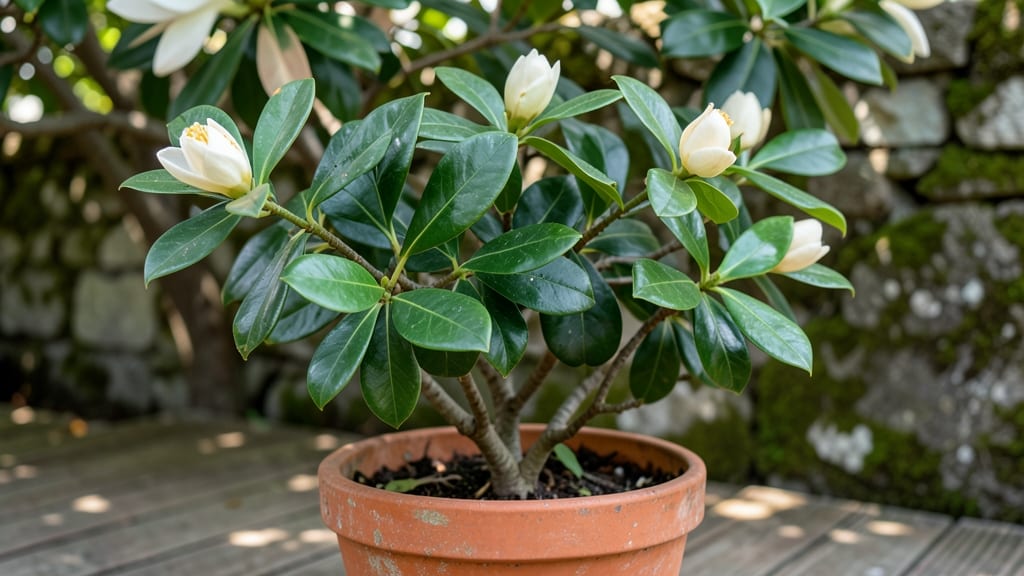
What do gardenias look like in the winter? Like bare branches, crisp brown stems, and no sign of those glossy leaves or sweet-smelling blooms, they often appear completely different from their lush, fragrant summer appearance 🌸.
If your gardenias have lost their lush green leaves and fragrant blooms, you might be wondering—what do they look like in winter? The answer reveals whether your plant is simply dormant or struggling to survive.
In Zone 6 and warmer climates, healthy gardenias enter a natural dormancy, shedding leaves to conserve energy. Their woody stems may turn a dull brown, and the branches look skeletal, but this is normal—like a tree in winter, they’re just resting.
Below, I’ll walk you through the key visual signs of dormancy, how to tell if your gardenia is thriving (or in trouble), and the simple care steps to keep it healthy until spring blooms return.
Normal winter appearance of gardenias: dormancy vs. decline
When winter arrives, your gardenias may look dramatically different than they do in summer. Healthy dormancy is normal, but it’s easy to confuse it with plant decline caused by stress, disease, or pests.
Understanding the visual differences between these states helps you protect your plant. In winter, gardenias typically shed most of their leaves, but their stems and buds tell the real story.
The key to identifying dormancy is recognizing that your gardenia is actively conserving energy rather than struggling to survive. Unlike summer, when gardenias thrive with glossy leaves and fragrant blooms, winter reveals their natural survival mechanisms.
For example, their stems may turn brown or woody, and buds may appear tightly closed. These changes are signs of healthy dormancy, not damage.
However, if you notice blackened stems, mushy buds, or unusual leaf patterns, these could signal problems like frost damage, fungal infections, or pest infestations.
The distinction between dormancy and decline is crucial for proper winter care. Below, we break down the visual cues to help you tell the difference.
A dormant gardenia will have bare branches with only a few scattered leaves, while a declining plant may show unusual leaf retention or abnormal discoloration. Pay close attention to the stem texture—healthy stems feel firm and woody, whereas stressed stems may feel soft or spongy.
This distinction helps you decide whether to adjust winter care or take corrective action.
Another critical clue is the bud condition. In dormancy, buds remain tightly closed with protective scales, preparing to bloom in spring. If buds are open, deformed, or covered in mold, your gardenia may be suffering from fungal infections or pest damage.
These signs warrant immediate attention to prevent further decline.
If your gardenia is dormant, you’ll also notice no new growth until spring. Any unexpected sprouting in winter is a red flag, as it suggests the plant is struggling to conserve energy.
This could be due to inconsistent temperatures, poor soil conditions, or improper watering. Addressing these issues early can help your gardenia recover its health by spring.
Finally, check the root system if possible. Healthy roots should feel firm and white, while declining roots may appear soft, brown, or foul-smelling. If you suspect root issues, gently dig around the base of the plant (being careful not to damage roots) to assess their condition.
This step is crucial for diagnosing root rot or other underground problems.
By mastering these visual cues, you’ll be better equipped to distinguish dormancy from decline in your gardenias. This knowledge ensures you provide the right care during winter, helping your plants thrive when spring arrives.
With the right approach, your gardenias will reward you with vibrant blooms and lush foliage once the warmer months return.
Key visual signs to identify healthy gardenia dormancy
When winter arrives, your gardenia may seem like it’s given up on life—its glossy leaves vanish, and branches look stark against the cold. But don’t panic! These changes are often normal signs of dormancy, not a death sentence.
Healthy gardenias enter a resting phase to conserve energy, and their winter appearance can actually tell you whether they’re thriving or struggling.
Dormancy in gardenias typically means bare branches, brown stems, and tight bud scales that look like tiny green caps. These traits help distinguish a healthy plant from one suffering from frost damage or pest infestations.
Let’s break down what to look for so you can confidently tell the difference.
- ✅ Bare Branches: Healthy gardenias shed most leaves in winter, leaving sleek, leafless branches. Look for smooth stems without blackened or mushy spots—those signal frost damage.
- 🌿 Brown Stems: Dormant stems may turn tan or light brown, but they should remain firm to the touch. Soft or shriveled stems indicate disease or dehydration.
- 🌱 Tight Bud Scales: Healthy buds are compact and covered in protective scales. If scales are split or missing, pests like spider mites may be the culprit.
- 🪴 No New Growth: Dormant gardenias pause all growth until spring. Any green shoots in winter suggest the plant is stressed or confused by conditions.
- 🌡️ No Ice Crystals: Frost damage often leaves white ice crystals or cracked bark. Healthy dormancy means no visible ice and intact bark.
One of the easiest ways to confirm dormancy is by checking the bud scales. These protective layers should feel firm and slightly waxy, almost like tiny green lids.
If you gently peel one back, you’ll see a plump, unopened bud underneath—this is your gardenia’s way of storing energy for spring.
Don’t confuse dormancy with pest damage, which often leaves sticky residue (aphids) or tiny webs (spider mites) on branches. Run your fingers along the stems—if you feel rough textures or holes, pests may be the issue.
A quick spray with neem oil can help if you spot these signs.
Finally, observe the overall structure of your gardenia. Healthy dormant plants stand upright with no wilting or unusual drooping. If branches are limp or falling off, it’s a red flag that your plant needs extra winter protection, like a breathable cover or mulch layer.
By recognizing these visual cues, you’ll know exactly how your gardenia is faring in winter—and whether it’s just taking a well-deserved nap or sending out an SOS for help. With the right care, your gardenia will wake up in spring ready to bloom beautifully again! 🌸