
Planting
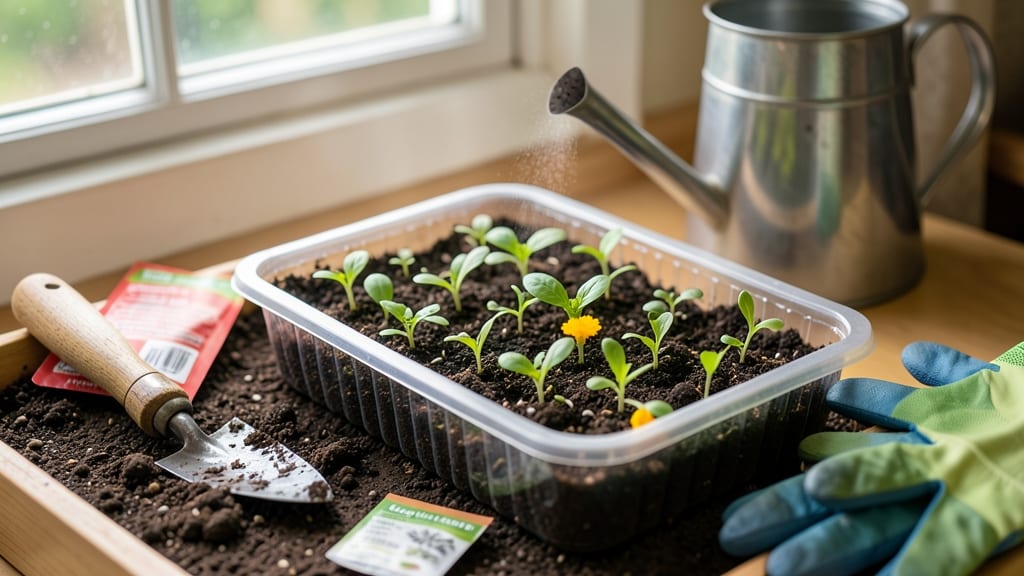
Sowing in gardening means planting seeds directly into soil to grow new plants, whether outdoors or indoors, and is the first step in cultivating crops from seed rather than using transplants.
When you sow seeds, you're essentially starting a plant's life cycle from scratch in the ground—whether that's in your backyard, a raised bed, or even a small indoor pot. 🌱 This method gives you complete control over the growing process, from soil quality to sunlight exposure, and works especially well for hardy plants like beans, peas, and many herbs.
The key difference from using transplants is that you're skipping the nursery step entirely, which can save time and money while also giving you a wider variety of plant choices.
Direct sowing is perfect for warm-season crops that thrive when planted directly into the garden, as it allows the seeds to adapt naturally to outdoor conditions. For cooler climates or delicate seedlings, starting seeds indoors in trays before transplanting can give them a head start.
Either way, the goal is the same: to give those tiny seeds the best possible environment to sprout and grow into healthy plants.
💡 In This Article
- Sowing Methods: Direct vs Indirect Seed Planting
- Best Plants to Sow by Seed vs Transplanting
Sowing methods: direct vs indirect seed planting
The core difference between sowing methods lies in timing and environment control. Direct sowing means placing seeds straight into garden beds, where they'll germinate and grow under natural outdoor conditions.
This method works best for hardy crops like beans, peas, and radishes that thrive when exposed to sunlight and cooler soil temperatures early on. 🌱 The soil temperature must reach at least 50°F (10°C) for most seeds to germinate properly, as cooler temps slow down enzymatic activity that breaks down seed reserves.
Indirect sowing, or starting seeds indoors, gives you precise control over germination conditions. Using seed trays with a heating mat set to 70-75°F (21-24°C) can cut germination time by half compared to outdoor planting. This technique is ideal for delicate plants like tomatoes or peppers that struggle with transplant shock.
The key advantage is protecting young seedlings from pests, temperature swings, and harsh weather that could kill them before they establish roots.
Moisture management is critical in both methods but plays out differently. Direct-sown seeds need consistent soil moisture at 1-2 inches (2.5-5 cm) depth to stay hydrated, while indoor starts require bottom-watering to prevent fungal diseases from overhead moisture.
A humidity dome over indoor trays maintains 80-90% humidity, mimicking the damp conditions seeds need to sprout—something outdoor beds can't reliably provide during dry spells.
Light exposure creates another key distinction. Direct-sown seeds rely on natural sunlight, which may be insufficient for seedlings that need 12-16 hours of light daily to prevent leggy growth. Indoor starters often require grow lights positioned 2-3 inches (5-7.5 cm) above seedlings to provide consistent spectrum lighting.
This artificial light can be adjusted to match the plant's growth stage, something impossible with direct outdoor planting.
Consider your local frost dates when choosing methods. In Zone 5 climates, direct sowing lettuce in early spring risks frost damage, while starting indoors by 6-8 weeks before last frost ensures healthy transplants.
The same logic applies to fall planting—cool-season crops like spinach can be direct-sown in late summer for fall harvests, bypassing the need for indoor starts entirely.
For container gardeners, indirect sowing offers flexibility. You can start seeds in small pots and move them to larger containers as they grow, adapting to limited space. Direct sowing in containers requires careful seed spacing to prevent overcrowding, as roots have no room to expand laterally.
This spatial constraint makes indirect methods more practical for urban gardeners with limited growing area.
What most gardeners overlook is how seed size affects method choice. Large seeds like beans or squash contain enough nutrients to support direct sowing, while tiny seeds (like carrots or parsley) benefit from indoor starts where they're easier to handle and protect.
The seed's natural defenses—like thick seed coats—also determine how well they tolerate outdoor conditions during germination.