
Size
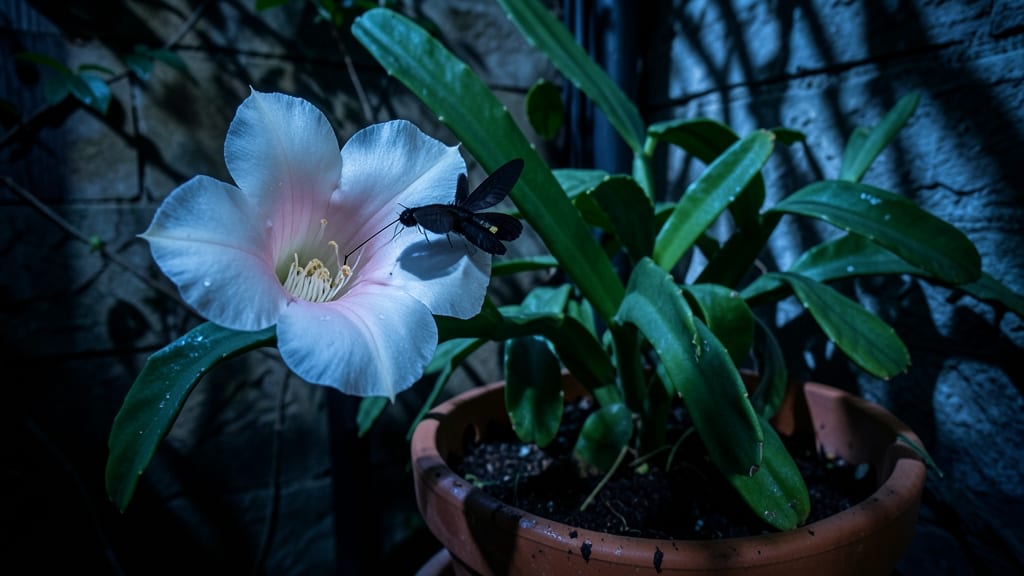
Night owl gardeners focus on growing plants that bloom or thrive under moonlight, such as night-blooming jasmine and moonflowers, while taking advantage of cooler evening temperatures for heat-sensitive crops like lettuce and basil. They also optimize watering schedules and pest control for late-night gardening success.
Nighttime gardening isn't just about working after dark—it's about leveraging the unique benefits of cooler evening air and natural pollinators like moths that are active under moonlight. 🌙 Many of these plants, like evening primrose, release their fragrances at night to attract nocturnal pollinators, which can actually improve fruit set and flower production.
I've found that starting seeds indoors during the day and transplanting at dusk gives them a head start before the sun rises, reducing transplant shock.
The key is balancing your schedule with the plants' natural rhythms while protecting them from evening dew and potential pests that become more active after sunset.
For best results, I recommend keeping a small flashlight with a red bulb—it won't disrupt plant sensitivity to light—as you work. You'll also want to focus on plants that tolerate partial shade, as evening light is softer than midday sun.
This approach lets you grow a thriving garden even if your schedule keeps you up late.
💡 In This Article
- Best Moonlight-Loving Plants for Nighttime Gardeners
- Evening Gardening Techniques for Late Bloomers
Best moonlight-loving plants for nighttime gardeners
Moonlight-loving plants have evolved fascinating adaptations that make them perfect for night owls. These species rely on nocturnal pollinators like moths and bats, which are drawn to their scent and color under moonlight.
For example, night-blooming jasmine (Cestrum nocturnum) releases its sweet, intoxicating fragrance after sunset, peaking between 8 PM and midnight when moths are most active.
The flowers' pale white petals reflect what little moonlight exists, making them highly visible to these pollinators. 🌙 This scent-based strategy also helps deter daytime pests that can't tolerate the strong fragrance.
The cooler evening temperatures—typically 5-10°F lower than daytime highs—create ideal conditions for many tropical plants that would wilt in midday heat. Take evening primrose (Oenothera biennis), which thrives in these conditions and produces edible flowers with 10-20% gamma-linolenic acid, a rare omega-6 fatty acid.
Its flowers open at dusk and close by mid-morning, a perfect rhythm for gardeners who tend to their plots after work. Moonflowers (Ipomoea alba) take this further by blooming only at night, their large white trumpets unfolding dramatically around 9 PM and lasting just one day before wilting by noon.
These plants also benefit from reduced water evaporation in the evening. Soil stays moist longer, which is crucial for heat-sensitive crops like lettuce and basil that would bolt or develop bitter flavors in daytime heat.
I've found that planting basil in late afternoon gives it time to establish roots before evening watering, while leafy greens like Swiss chard grow more tender when watered after sunset. The key is to choose varieties with shallow root systems that can access surface moisture before it evaporates.
Pollination is another critical factor. Many night-blooming plants have evolved to produce nectar specifically for moths, which carry pollen between plants more efficiently than bees at night. Four o'clock flowers (Mirabilis jalapa), for instance, have tubular shapes that guide moths directly to their pollen.
This means your garden can produce fruit and seed even when daytime pollinators are inactive. The trade-off? You'll need to hand-pollinate some varieties if you're growing them in containers or areas with limited nocturnal visitors.
Timing your planting is equally important. For annuals like moonflowers, sow seeds 6-8 weeks before your first frost date so they establish roots before evening temperatures drop.
Perennials such as evening primrose benefit from being planted in early spring or late summer, when soil temperatures are cooler and moisture levels are more consistent.
I've had the best success with night-scented stocks (Matthiola longipetala) planted in late July—they bloom profusely in fall and winter, filling the garden with their vanilla-cinnamon fragrance when most other plants have gone dormant.
Don't overlook the sensory rewards these plants offer. The intoxicating scent of night-blooming jasmine can fill your garden with a perfume that rivals any daytime flower. Even primrose flowers have a delicate, almost citrusy aroma that becomes more pronounced after dark.
These plants create a magical atmosphere that transforms your garden into a nocturnal paradise—perfect for late-night stargazing while surrounded by blooms that most people never see.