
Tools
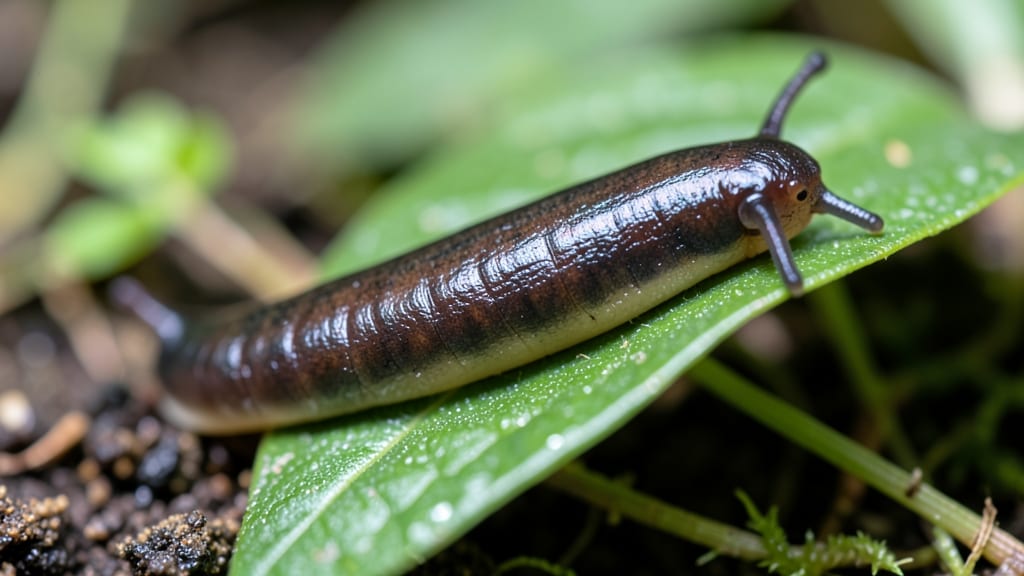
Many creatures eat garden snails, including birds like thrushes and robins, amphibians such as frogs and toads, reptiles like ground beetles and some snakes, and mammals including hedgehogs and shrews. These natural predators play a crucial role in maintaining balanced snail populations in gardens.
Garden snails face a diverse array of predators that help keep their numbers in check naturally. 🌿 Birds like thrushes and robins are daytime hunters, while hedgehogs and shrews become active at night, using their keen senses to locate snails.
Amphibians such as frogs and toads rely on moisture-rich environments, making them common in damp garden areas. Even some reptiles, like certain species of snakes and beetles, contribute to the ecosystem by preying on these pests.
The presence of these predators often reduces the need for chemical interventions, creating a more sustainable balance in your garden.
Understanding these relationships can help you design a garden that supports these beneficial creatures. For example, providing shallow water sources and hiding spots can attract more predators, while avoiding pesticides that harm insects and small mammals will preserve the natural food chain.
This approach not only controls snail populations but also promotes a healthier garden ecosystem overall.
💡 In This Article
- How Predators Hunt and Control Garden Snails
- Encouraging Natural Predators in Your Garden
How predators hunt and control garden snails
Birds like thrushes and robins hunt snails using a combination of sharp vision and precise strikes. These birds typically locate snails by spotting their slimy trails on leaves or soil.
Once a snail is found, the bird uses its strong beak to stab through the snail's soft body, often targeting the head or foot. A single thrush can consume up to 10-15 snails per day, making them highly effective natural pest controllers.
Their daytime hunting habits align perfectly with snail activity, especially after rain when snails emerge to feed.
Mammals such as hedgehogs and shrews take a different approach, relying on their keen sense of smell and nocturnal behavior. Hedgehogs, for instance, forage at night when temperatures drop below 70°F, using their sensitive noses to detect snails hiding under leaves or in damp areas.
They'll carefully roll up snails in their quills before consuming them, a behavior that can reduce snail populations by 30-50% in hedgehog-active gardens. Shrews, meanwhile, use their agility to chase down snails in tight spaces, often consuming prey twice their own body weight daily.
Amphibians like frogs and toads play a crucial role in moist environments, where they ambush snails with lightning-fast strikes. These predators rely on camouflage and patience, waiting near snail trails before lunging with their sticky tongues.
A single toad can eat 50-100 snails per year, though their effectiveness varies with seasonal moisture levels. Their presence is especially beneficial in vegetable gardens where snails target young plants.
Ground beetles and certain snakes contribute through specialized hunting techniques. Beetles detect snails using chemical cues from their slime trails, while snakes like garter snakes use their forked tongues to sense heat and movement.
These predators often work in tandem with other wildlife, creating a layered defense system against snail infestations. Their presence alone can reduce visible damage by up to 40% in well-balanced ecosystems.
What makes these predators so effective is their complementary hunting strategies. Birds handle daytime populations, mammals take over at night, and amphibians dominate wet areas. This natural division of labor ensures snail numbers remain controlled without human intervention.
The key to maximizing their impact lies in creating an environment where all these predators can thrive together.
Interestingly, some predators even exhibit learned behaviors. For example, robins have been observed returning to the same snail-heavy patches daily, while hedgehogs develop preferred foraging routes in familiar gardens. This adaptability makes natural pest control through predators one of the most sustainable solutions for gardeners.