
Planting
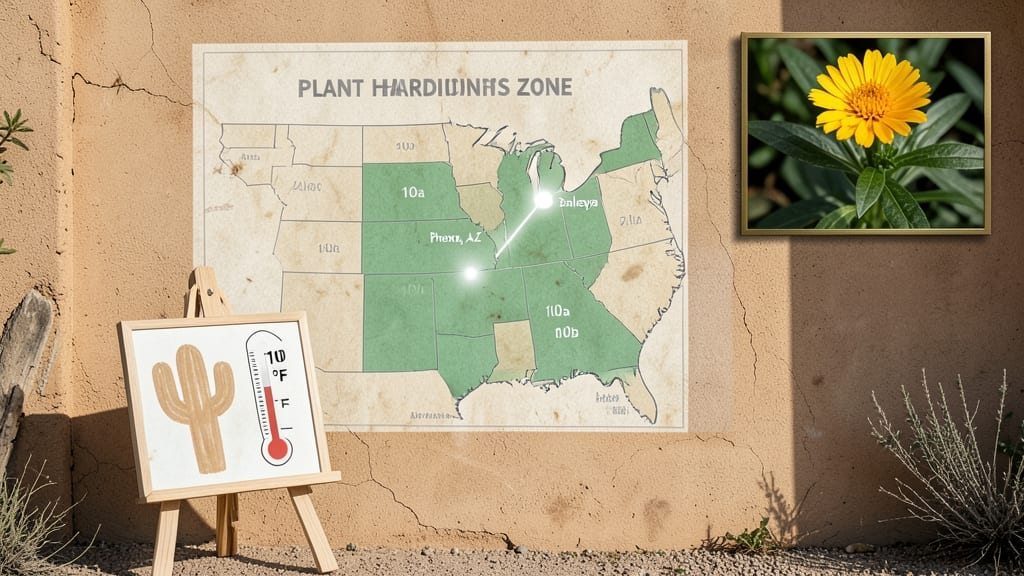
Phoenix, AZ is in USDA gardening zone 10a and 10b, where mild winters and intense summers create ideal conditions for warm-season plants like bougainvillea, citrus trees, and palm varieties.
This desert climate means you can grow tropical plants year-round without frost damage, though summer heat can be brutal for sensitive species. 🔥 The key difference between 10a and 10b is just a few degrees—10b's slightly warmer winters let you push the limits with marginally hardier varieties.
I've found that even cacti and succulents thrive here, but shade cloth becomes essential during monsoon season to protect tender foliage from intense afternoon sun.
What sets Phoenix apart from other Zone 10 regions is its extreme temperature swings—scorching days followed by cool nights—so proper irrigation timing and mulching become critical strategies. The city's elevation also creates microclimates, meaning some areas might handle slightly cooler plants than others.
💡 In This Article
- Understanding Phoenix AZ’s Climate and USDA Zone 10 Characteristics
- Best Plants for Phoenix AZ’s USDA Zone 10a-10b Gardens
Understanding Phoenix AZ’s climate and USDA Zone 10 characteristics
Phoenix’s classification as USDA Zone 10a-10b stems from its unique desert climate, where average annual minimum temperatures range from 25°F to 30°F (-4°C to -1°C) in Zone 10a and 30°F to 35°F (-1°C to 2°C) in Zone 10b. Unlike coastal Zone 10 regions (like Southern California), Phoenix’s elevation (1,100 feet) and arid conditions create intense daytime heat—often exceeding 110°F (43°C) in summer—while nights drop dramatically, sometimes to 70°F (21°C) or lower.
This extreme diurnal shift forces plants to adapt quickly, making heat tolerance and water efficiency critical survival traits. 🌵
The lack of frost is what truly defines Zone 10, and Phoenix delivers—frost-free winters allow tropical plants like mango trees and hibiscus to thrive outdoors year-round.
However, the city’s 150+ days of sunshine annually and low humidity (typically 20-30%) create challenges: intense UV radiation can scorch leaves, and soil dries out rapidly. Unlike more humid Zone 10 areas (like Hawaii), Phoenix’s clear skies mean plants need protection from both sunburn and dehydration.
Microclimates further complicate things—urban heat islands in downtown Phoenix can push temperatures 5-10°F higher than suburban areas, affecting plant hardiness.
What makes Phoenix’s Zone 10 unique is the monsoon season (July-September), when sudden, heavy rains transform the landscape. While these downpours provide temporary relief from heat, they also create ideal conditions for fungal diseases in poorly drained soils.
The key to success here is amending soil with organic matter to improve water retention while allowing excess to drain quickly. Unlike coastal Zone 10 gardens, Phoenix’s soil often lacks natural organic content, requiring gardeners to create their own fertile conditions through composting and mulching.
Seasonal extremes also influence plant selection. Summer’s 115°F (46°C) heat waves eliminate many tropical plants that can’t handle prolonged exposure, while winter’s rare cold snaps (below 25°F) may briefly stress marginally hardy species.
For example, avocado trees (Zone 10b) often survive Phoenix winters, but their leaves may yellow if temperatures dip below 28°F (-2°C) for more than a few hours. This is why local nurseries often recommend windbreaks or microclimate adjustments to protect sensitive plants during rare cold events.
One often-overlooked factor is Phoenix’s low humidity, which accelerates water evaporation. Plants like bougainvillea and oleander thrive here because their thick, waxy leaves minimize moisture loss, but more delicate species (like gardenia) require daily watering during peak summer months.
The solution? Drip irrigation systems with timers become essential—surface watering leads to rapid evaporation and wasted resources. This is why many Phoenix gardens use mulch blankets to retain soil moisture while suppressing weeds.
For comparison, Phoenix’s Zone 10 environment differs significantly from other desert regions like Tucson (Zone 9b) due to its warmer winters and more intense summers. While both areas share drought-resistant plant palettes, Phoenix’s higher minimum temperatures allow for marginally more tropical species.
However, the trade-off is that summer heat limits the growing season for cool-season crops like lettuce or broccoli to winter months only. Understanding these nuances helps gardeners avoid costly mistakes, such as planting frost-sensitive crops too early in spring.